
How To
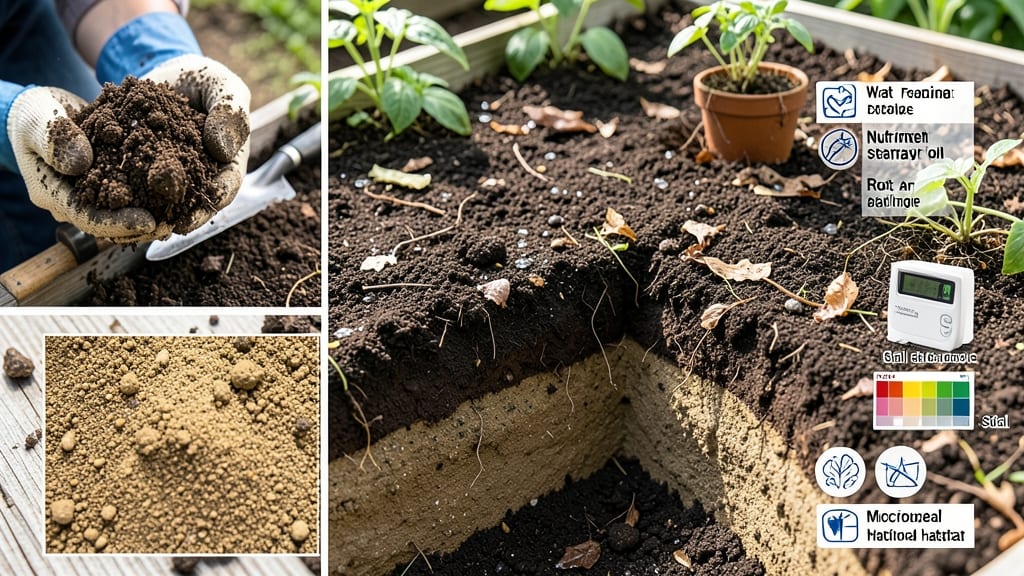
Soil is used for far more than just growing plants—it’s a dynamic, living foundation that supports ecosystems, agriculture, and even climate stability.
Soil isn't just dirt—it's a complex, living system that makes life on Earth possible. 🌱 The nutrients it contains, like nitrogen, phosphorus, and potassium, act like plant food, fueling everything from backyard gardens to massive forests.
Its texture, whether sandy or clay-heavy, determines how well water drains and air circulates to roots, directly affecting plant health. Beyond growing crops, soil filters pollutants from water, prevents erosion, and even stores carbon to combat climate change.
Think of soil as nature's multitasker: it builds stable foundations for buildings, supports traditional farming techniques worldwide, and maintains biodiversity by providing habitats for countless organisms.
Whether you're a gardener or just curious about how ecosystems work, understanding soil's roles reveals why protecting it matters so much for both agriculture and the environment.
💡 In This Article
- How Soil Supports Plant Growth Through Nutrients and Structure
- Beyond Gardening: Soil’s Role in Ecosystems and Human Life
How soil supports plant growth through nutrients and structure
Soil acts like a living superfood for plants, delivering a precise blend of 16 essential nutrients through its complex composition.
The three primary nutrients—nitrogen (N), phosphorus (P), and potassium (K)—work together like a team: nitrogen builds leafy green growth, phosphorus fuels root development and flowering, while potassium strengthens stems and improves disease resistance.
These elements come from decomposed organic matter (like leaf litter) and mineral weathering, creating a slow-release system that plants can access through their root hairs.
The soil's texture—determined by the ratio of sand, silt, and clay particles—creates the perfect balance between water retention and aeration. Sandy soils drain quickly but may lack nutrients, while clay soils hold moisture and minerals but can become compacted.
The ideal "loam" soil (40% sand, 40% silt, 20% clay) provides that Goldilocks zone: it retains enough water for roots while allowing oxygen to reach them.
This texture also affects how quickly nutrients become available—clay particles, for example, have negative charges that attract and hold onto positively charged nutrients like calcium and magnesium.
What makes soil truly remarkable is its microbial ecosystem, where bacteria, fungi, and earthworms break down organic matter into plant-accessible forms. These microorganisms also produce growth hormones and suppress harmful pathogens.
For instance, mycorrhizal fungi form symbiotic relationships with plant roots, extending their reach up to 100 times the root system's length to gather water and nutrients. Without this underground network, many plants—especially trees—would struggle to thrive. 🌱
The root zone itself is a dynamic interface where physics and chemistry collide. As roots grow, they create tiny channels that improve soil structure and water infiltration. This process, called "bioturbation," prevents soil compaction and maintains porosity.
In agricultural settings, farmers often test soil pH (ideally between 6.0-7.0) because even slight deviations can lock out nutrients—like iron becoming unavailable in alkaline soils or phosphorus binding tightly in acidic ones.
Consider how soil composition changes with depth: the top 6 inches contain the most organic matter and microbial activity, while deeper layers provide structural support and store water. This vertical stratification ensures plants have access to both immediate nutrients and long-term stability.
For example, a tomato plant might get its quick nitrogen fix from composted leaves in the topsoil while anchoring its roots into the subsoil for stability during storms.
Even the soil's color reveals its health: dark, crumbly soil rich in organic matter contrasts sharply with pale, compacted soil that struggles to support life. This visual cue helps gardeners diagnose problems—like a lack of worms or fungal growth—before symptoms appear above ground.
Understanding these interactions lets you mimic nature's perfection, whether you're amending clay soil with sand or adding compost to sandy patches to boost fertility.
The science behind soil-plant interactions shows why healthy soil isn't just about dirt—it's about creating the right conditions for a thriving underground ecosystem that directly impacts everything above ground. 🌿