
Propagation
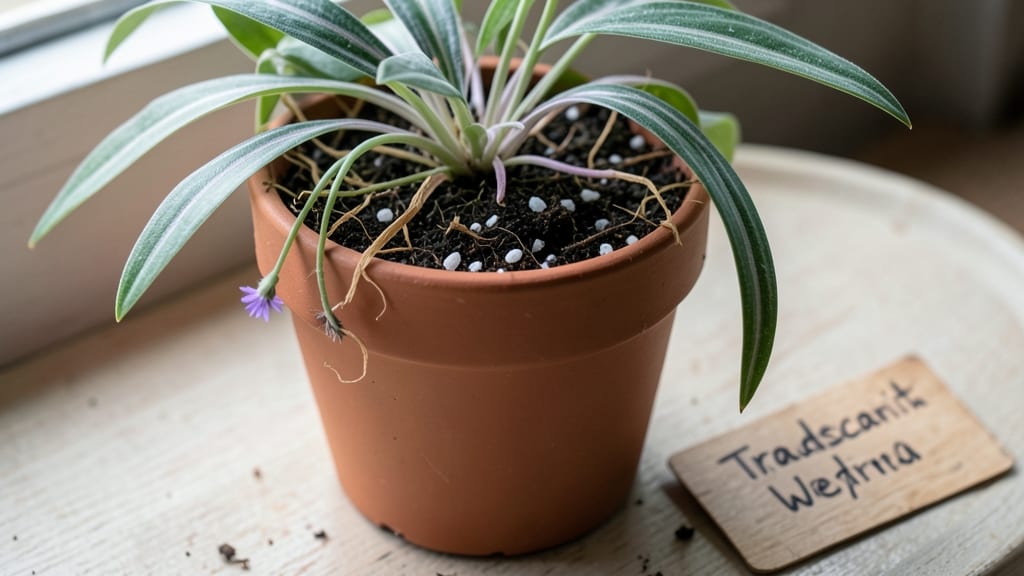
Wandering Jew thrives when its soil mimics its natural habitat—fast-draining yet moisture-retentive. 🌱 The right mix prevents those dreaded yellow leaves and root rot while encouraging the plant’s signature rapid growth.
My go-to blend is equal parts potting soil, perlite, and coarse sand, with a handful of worm castings for nutrients. This lightweight loam stays fluffy enough to prevent compaction while holding just enough moisture to keep roots happy.
The key is 50% potting mix (for organic matter), 30% perlite (for aeration), and 20% coarse sand (to keep it fast-draining). Avoid peat moss—it stays too wet and invites rot.
Once mixed, this soil gives Wandering Jew the perfect balance: roots spread quickly without suffocating, and the plant stays vibrant for months. You’ll notice new growth within 2-3 weeks, and those trailing vines will cascade beautifully in just a few months.
For best results, use a terracotta pot (breathable material) with drainage holes—plastic traps moisture and leads to root issues. If your soil mix feels too dense, add more perlite; if it dries out too fast, mix in a little coco coir for moisture retention.
📚 In This Guide
- What you need
- Instructions
- Tips and common mistakes
- Wrapping up and next steps
What you need
- ● Peat moss or coconut coir: 4 parts (holds moisture while staying airy—opt for sphagnum peat for best results).
- ● Perlite or vermiculite: 1 part (adds lightweight drainage; perlite for extra airiness, vermiculite for moisture retention).
- ● Sand (coarse horticultural): 1 part (prevents compaction and mimics natural aeration).
- ● Worm castings or compost: 1 part (boosts nutrients without heaviness—avoid fresh manure!).
- ○ Optional: Orchid bark or charcoal: ½ part (improves drainage and reduces rot risk).
- ● Mixing container: A clean, shallow bin or wheelbarrow (sterilize with 10% bleach solution if reusing).
- ● Gloves & dust mask: Protect your hands from peat and perlite particles.
- ○ pH testing kit (optional): Aim for a slightly acidic mix (5.5–6.5)—Wandering Jew thrives here!
- ● Spray bottle: For moistening the mix before planting (avoid oversaturating!).
How to create the perfect wandering jew soil mix
This lightweight, airy blend encourages rapid root spread and vibrant growth—ideal for trailing plants.
🌱 Step 1: Combine Base Materials for Drainage and Aeration
Start with 50% peat moss or coconut coir—this holds moisture without suffocating roots. I sift it first to remove any clumps, because wandering jew hates compacted soil that slows its aggressive spread. Add 30% perlite next; this gritty volcanic rock creates air pockets so roots can breathe and expand quickly.
Mix these two dry ingredients thoroughly in a large bin. You'll see the peat's dark fibers and perlite's white chunks blending evenly. This combination prevents the soil from becoming waterlogged, which is critical for wandering jew's delicate root systems. If you're working with 4 servings, that means 2 cups peat moss and 1.2 cups perlite per mix.
🌿 Step 2: Add Organic Matter for Nutrient Retention
Now stir in 20% compost or worm castings—this provides the slow-release nutrients wandering jew loves. I use 1 cup per 4 servings of well-aged compost, sifting it to remove any large chunks that could compact the mix. The goal is a fluffy texture that still holds moisture without becoming soggy.
Here's the thing—wandering jew grows fast, so it needs steady nutrition. The compost ensures roots get what they need without burning them. Mix this in gently with a garden fork or gloved hands until you see an even distribution of dark organic particles throughout the lighter base.
💧 Step 3: Moisten and Adjust Consistency
Gradually add water while mixing until the blend reaches the consistency of a damp sponge—it should hold together when squeezed but not drip. Wandering jew roots spread best in soil that's moist but never waterlogged. I like to work the mix with my hands until it feels light and airy, almost like crumbly cake batter.
If the mix feels too dry, add a little more water; if it's too wet, work in an extra handful of perlite to lighten it. The perfect texture lets wandering jew roots explore freely while keeping moisture available. Test it by grabbing a handful—if water beads up on the surface, it's too wet.
✂️ Step 4: Customize for Your Growing Conditions
For indoor growing, add a pinch of balanced fertilizer (like 10-10-10) to the mix—this gives wandering jew a nutrient boost in lower-light conditions. I mix it in thoroughly so the fertilizer doesn't concentrate in any one spot. For outdoor containers, skip the fertilizer unless your plants look pale or leggy.
If you're growing wandering jew in hanging baskets, add an extra 10% orchid bark to improve drainage. This helps prevent root rot in containers where water can pool. Stir everything together one last time until the mix looks uniform and ready to use.
⏰ Step 5: Use Immediately for Best Results
Wandering jew thrives when planted in fresh mix, so use it within 24 hours of preparation. Fill your containers 2/3 full with the mix, then plant your cuttings or seedlings. Press gently around the stems to secure them without compacting the soil.
Water lightly after planting, just enough to settle the soil around the roots. Avoid heavy watering at first—wandering jew roots are delicate and need time to establish. You'll see new growth within 1-2 weeks if the mix is right, with roots spreading aggressively through the airy medium.
Tips & tricks for perfect wandering jew soil mix
These simple adjustments will help you create the ideal growing environment for your wandering jew plants.
Sifting is Key: Don't skip sifting your peat moss or coconut coir in Step 1—those clumps can create pockets where water pools, slowing down root spread. I use a fine-mesh screen to break up any stubborn clumps, and I always sift the compost too. This ensures your mix stays light and fluffy, which wandering jew roots absolutely love for their aggressive growth pattern.
The Perlite Secret: In Step 1, when adding perlite, I recommend using the "handful method" rather than measuring by volume. Grab a handful of perlite and compare it to your measured peat moss—it should be roughly 30% of the total volume. Perlite's job is to create those crucial air pockets, so don't skimp on it. If your mix feels too dense after mixing, add a little more perlite to lighten it up.
Consistency Test: The damp sponge consistency in Step 3 is everything. To really nail it, I like to do the "squeeze test" after adding water: grab a handful and squeeze firmly. Water should appear on your fingers but not drip. If it drips, you've gone too far—add more perlite to absorb the excess moisture. This perfect balance is what lets wandering jew roots spread quickly without suffocating.
Fertilizer Timing: When adding that pinch of fertilizer in Step 4 for indoor plants, I've found it works best to mix it directly into the compost before combining everything. This ensures even distribution throughout the mix. For outdoor containers where you're skipping fertilizer, remember that your existing compost provides all the nutrients wandering jew needs for its rapid growth.
Pro Tips for Wandering Jew Soil Mix
- These simple adjustments will help you create the ideal growing environment for your wandering jew plants.
- Sifting is Key: Don't skip sifting your peat moss or coconut coir in Step 1—those clumps can create pockets where wat...
- The Perlite Secret: In Step 1, when adding perlite, I recommend using the "handful method" rather than measuring by v...
Frequently asked questions
What’s the best ratio for a Wandering Jew soil mix?
A well-balanced mix typically uses 50% peat moss or coconut coir (for moisture retention), 30% perlite or vermiculite (for aeration), and 20% compost or worm castings (for nutrients). Adjust perlite if your climate is very dry—add 10% more for extra drainage!
How often should I repot Wandering Jew in this mix?
Repot every 12–18 months or when roots outgrow the pot. Signs it’s time: roots circling the pot’s edge or soil drying out too quickly. Spring is ideal—roots spread fastest then!
Can I reuse old Wandering Jew soil?
Yes, but sterilize it first! Mix old soil (50%) with fresh perlite (30%) and compost (20%). Avoid reuse if the plant had pests/diseases. Pro tip: Add 1 tbsp of neem cake per gallon to refresh nutrients.
What’s a good alternative if I can’t find perlite?
Use coarse sand, pumice, or orchid bark instead. Avoid fine sand—it compacts and blocks drainage. For extra fluff, blend in chopped sphagnum moss (great for humidity-loving varieties!).
Why is my Wandering Jew turning yellow in this mix?
Yellow leaves often mean overwatering or poor drainage. Check if the mix stays soggy—add more perlite or sand. Also, ensure pots have drainage holes! If roots smell foul, flush the soil with water to prevent rot.
Wrapping up and next steps
Mastering the Wandering Jew soil mix unlocks the secret to vibrant, fast-spreading plants with minimal effort! This lightweight loam blend ensures optimal aeration and drainage, giving your propagation projects the perfect foundation.
Whether you're a seasoned gardener or just starting out, this mix is your ticket to lush, healthy growth—no green thumb required! 🌱✨
Ready to level up your plant game? Grab your supplies, follow the steps, and watch your Wandering Jew thrive in no time. Happy propagating!