
Vegetables
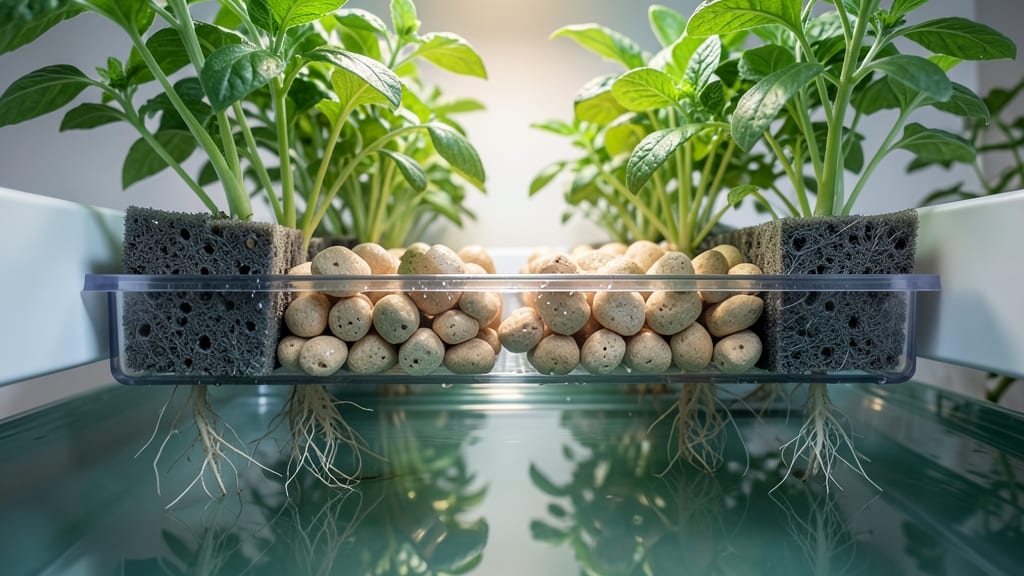
Healthy plants start with the right soil. Discover 10 essential soil types that will transform your vegetable patch, from nutrient-rich loam to specialized blends for container gardening, ensuring your crops thrive all season long.
Loamy Soil for Balanced Plant Growth
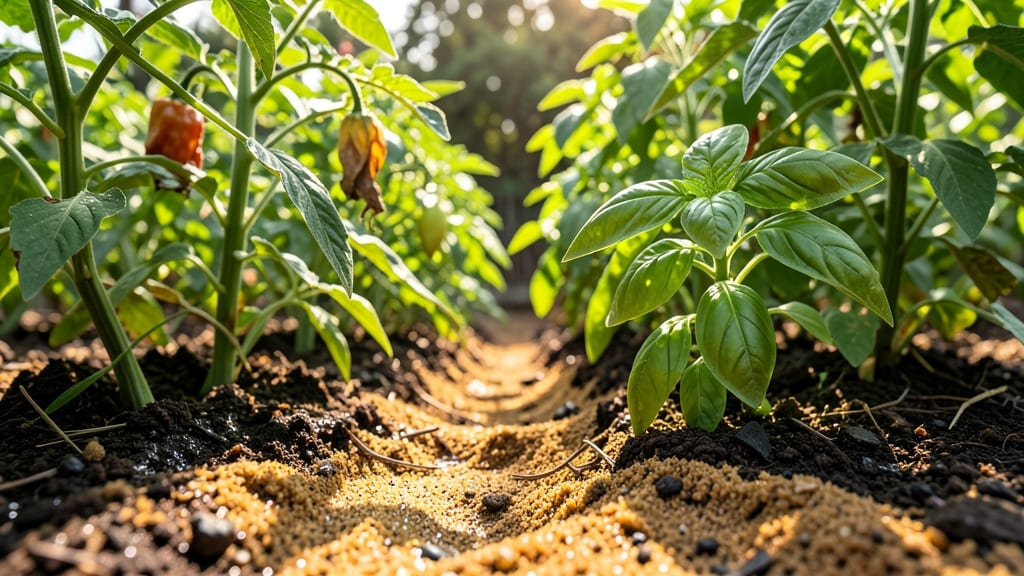
If you’ve ever struggled with plants that either drown in soggy soil or wilt in dry, sandy beds, loamy soil is the golden middle ground. This ideal mix—about 40% sand, 40% silt, and 20% clay—holds moisture like a sponge while letting roots breathe, making it the secret weapon for thriving vegetables like tomatoes, peppers, and leafy greens.
Loam’s crumbly texture cradles nutrients just where roots need them, reducing the need for frequent fertilizing. It warms up faster in spring than clay but retains water longer than sand, giving seedlings a head start. To test your soil, squeeze a handful: if it holds shape but breaks apart easily, you’ve got loam. For beginners, this soil type forgives mistakes—overwatering won’t suffocate roots, and drought won’t stress plants as quickly.
Whether you’re filling raised beds or amending backyard soil, loam is the foundation for year-round vegetable success—no green thumb required. 🌱
Sandy Soil for Fast-Draining Vegetables
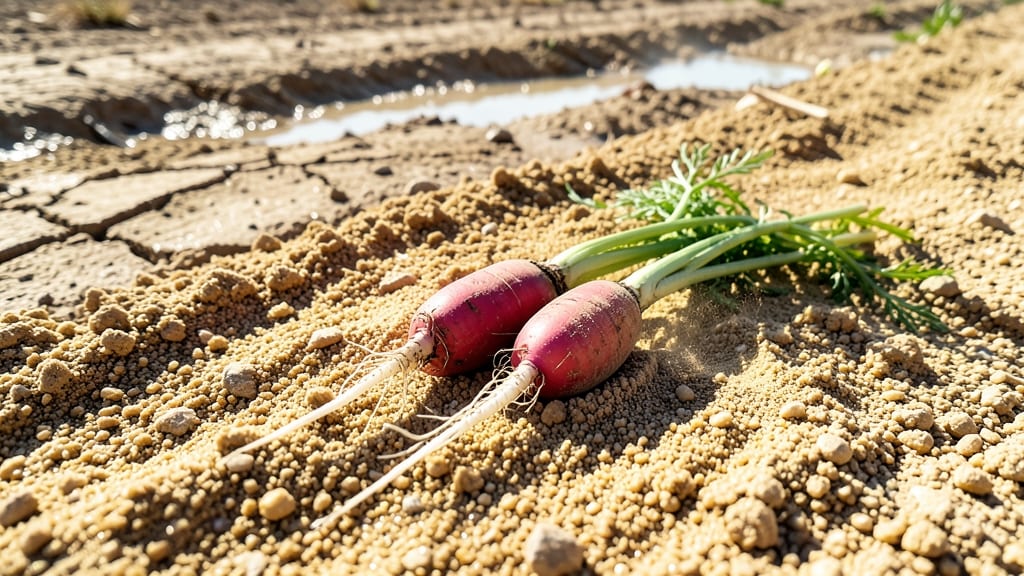
If you're growing carrots or radishes in a hot, dry climate, sandy soil could be your secret weapon. This fast-draining soil prevents rot in root vegetables while thriving in areas where water pools or evaporates quickly—perfect for poor-drainage zones or desert-like conditions.
To make it work, focus on daily watering—sandy soil loses moisture faster than other types. Mix in 20% compost to retain nutrients, and consider mulching with straw to slow evaporation. Avoid heavy feeders like tomatoes, as nutrients wash out easily.
This soil type is ideal for urban gardeners with rocky ground or those in USDA zones 8-10, where heat and drought are constant challenges. With the right care, you'll get crisp, straight roots even in tough conditions! 🌻
Clay Soil for Moisture-Retentive Crops
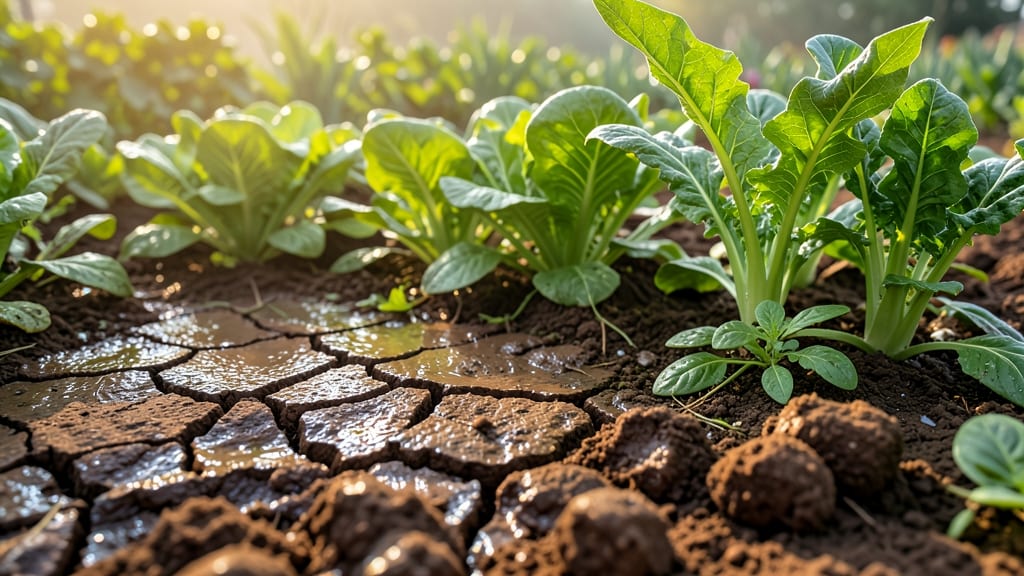
If you’ve ever struggled with plants wilting despite frequent watering, clay soil might be your secret weapon—for the right crops. This dense, nutrient-rich soil clings to moisture like a sponge, making it ideal for water-loving greens like lettuce, spinach, and Swiss chard, which thrive when their roots stay consistently damp.
But here’s the catch: clay’s tight grip on water also means it can suffocate roots if not amended properly. To improve aeration and prevent compaction, mix in 3-4 inches of compost or aged manure before planting, and consider adding coarse sand or perlite for better drainage. Mulch the surface to slow evaporation and keep roots cool during summer heat.
This soil type is a game-changer for gardeners in humid climates or areas with naturally heavy soil. With the right amendments, you’ll grow lush, leafy crops with minimal watering—just don’t expect it to work for drought-tolerant plants! 🌿
Peaty Soil for Acid-Loving Plants
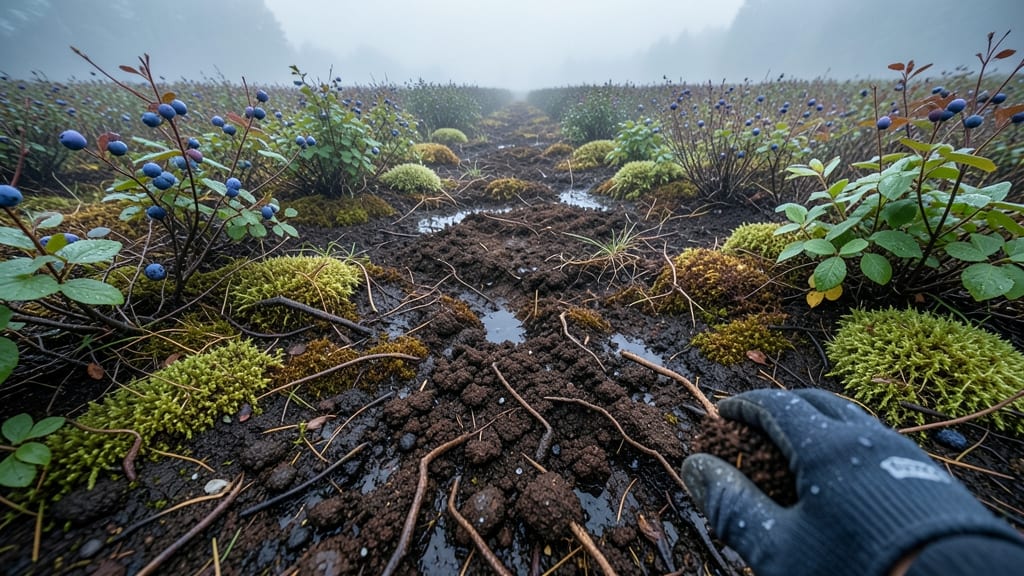
If your garden thrives in cooler, damp climates and you love growing blueberries or potatoes, peaty soil might be your secret weapon. This organic-rich, acidic soil mimics natural bog conditions, creating the perfect environment for acid-loving plants that struggle in alkaline or neutral soils.
The key to working with peaty soil is maintaining its fertility—it drains well but can quickly lose nutrients without regular compost additions. Mix in well-rotted compost or leaf mold every spring to replenish organic matter, and avoid overworking the soil to preserve its structure. This type of soil also stays moist longer, making it ideal for regions with high rainfall or frequent mist.
Gardeners in the Pacific Northwest or northern Europe will find peaty soil especially rewarding for crops like azaleas and rhubarb, too. Just remember: it’s not a "set it and forget it" soil—your plants will thank you for the extra care! 🌿
Chalky Soil for Alkaline-Tolerant Vegetables
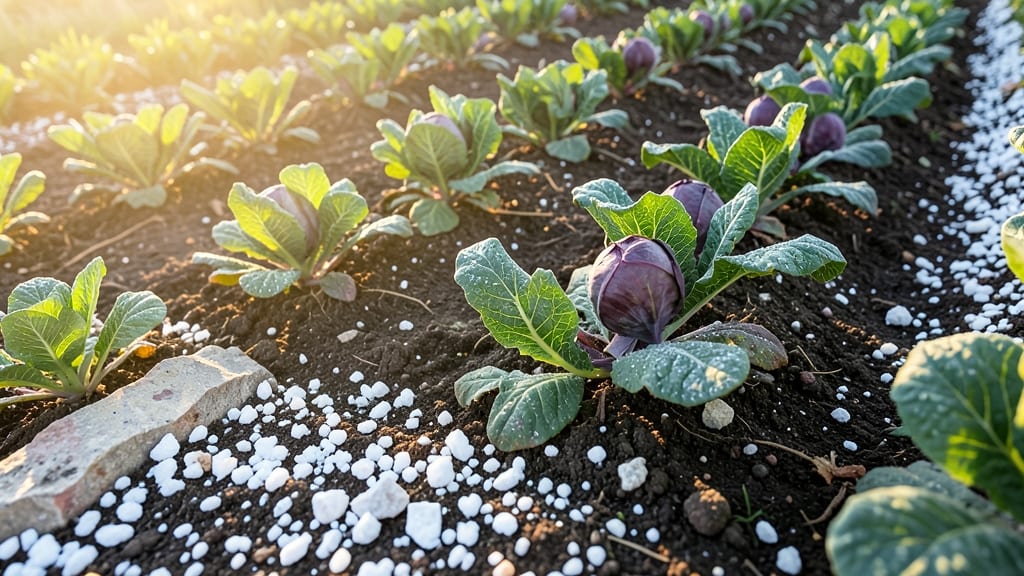
If your garden sits on limestone-rich terrain, you’re already working with a natural advantage for growing alkaline-loving vegetables like kale and Brussels sprouts. Chalky soil’s high calcium content creates the perfect pH balance (7.0–8.5) for these nutrient-dense crops, but its lack of organic matter means you’ll need to boost fertility with a strategic amendment.
To transform this soil into a powerhouse for heavy feeders, mix in 3–4 inches of well-aged compost before planting. This improves structure while adding essential nutrients like nitrogen and phosphorus. Avoid overwatering—chalky soil drains quickly, so mulch with straw to retain moisture and cool roots. Test your soil’s pH annually; if it creeps above 8.0, add a thin layer of sulfur to keep it in check.
This soil type is a game-changer for gardeners in dry, rocky regions or areas with limestone bedrock, where other soil types struggle. With the right amendments, you’ll unlock bountiful harvests of hardy greens and brassicas. 🌱
Silt Soil for Nutrient-Rich Harvests
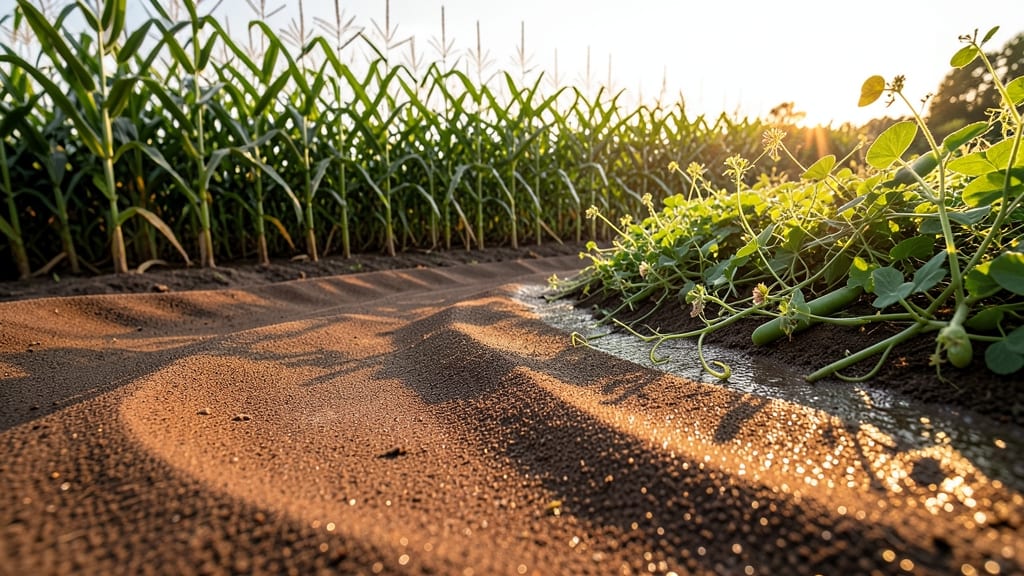
If you're dreaming of a bountiful cornfield or a lush pea patch without the hassle of constant watering, silt soil might be your secret weapon. This fine-textured soil, often found near floodplains or riverbanks, holds moisture like a sponge while delivering nutrients directly to roots—perfect for heavy feeders like corn and peas.
The magic lies in its high organic sediment content, which creates a velvety texture that crumbles easily when dry but stays moist for weeks. Unlike sandy soil, it won’t dry out quickly, and unlike clay, it won’t suffocate roots. For best results, test your silt soil’s pH (aim for 6.0–7.0) and add a layer of compost before planting to boost fertility further.
This soil type is a game-changer for gardeners in floodplain regions or those with naturally rich land. If you’re growing corn or peas, silt soil could mean fewer watering trips and more harvests—without the work! 🌱
Container Mix for Urban Gardening
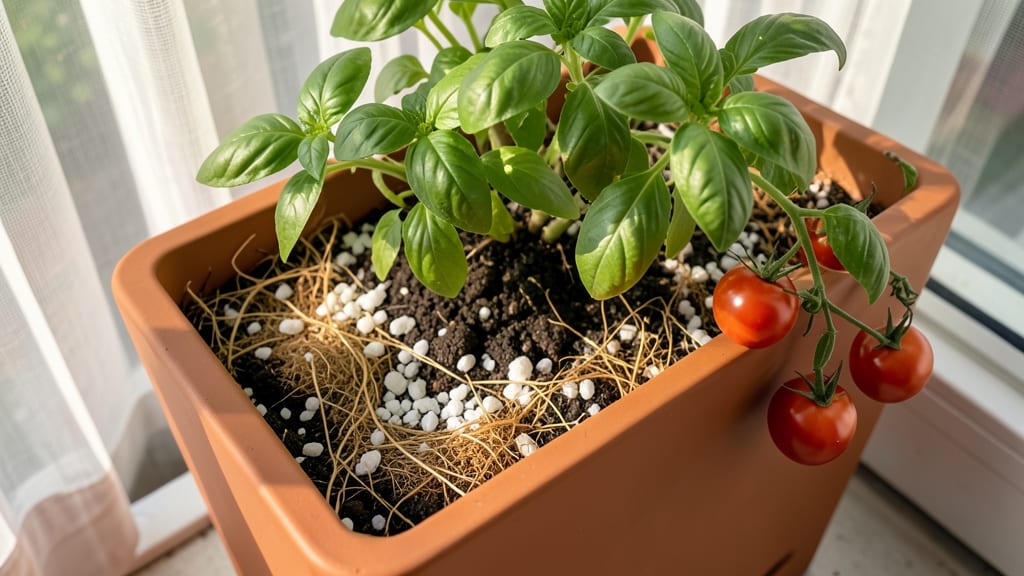
Balcony gardening just got easier with a lightweight container mix that grows herbs and tomatoes like never before. This blend of coconut coir, perlite, and compost creates the perfect airy environment for roots—no heavy soil required.
The coconut coir retains moisture while the perlite prevents compaction, ensuring roots get both air and water. For herbs like basil and parsley, add a 10% worm castings boost, while tomatoes thrive with a 20% compost top-up every 4-6 weeks. This mix stays fresh for up to 6 months, making it ideal for urban gardeners who want year-round harvests.
Perfect for renters, small-space gardeners, or anyone tired of struggling with traditional soil—this blend cuts down on weight while maximizing growth potential. 🌱
Compost-Enriched Soil for Heavy Feeders
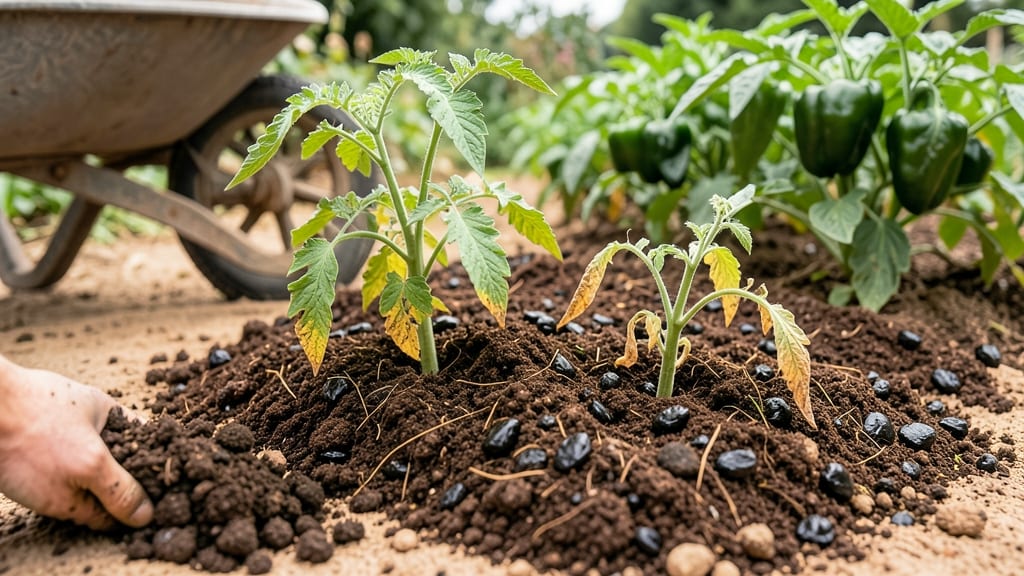
Tired of watching your tomatoes and peppers struggle for nutrients? Compost-enriched soil is the secret weapon for heavy feeders that demand constant nourishment. This blend of aged compost and existing soil creates a powerhouse for high-yield gardens, ensuring your plants get the steady supply of nutrients they crave.
Start by mixing 3-4 inches of well-aged compost into the top 12 inches of your garden bed before planting. The compost introduces beneficial microbes, improves soil structure, and slowly releases nutrients like nitrogen, phosphorus, and potassium—exactly what tomatoes and peppers need to produce lush foliage and heavy fruit. For best results, top-dress with a thin layer of compost every 4-6 weeks during the growing season.
This approach is perfect for gardeners growing nutrient-hungry crops in raised beds or containers, where soil resources can deplete quickly. With this method, you’ll see bigger harvests and healthier plants with less effort. 🌱
Volcanic Soil for Mineral-Rich Growth
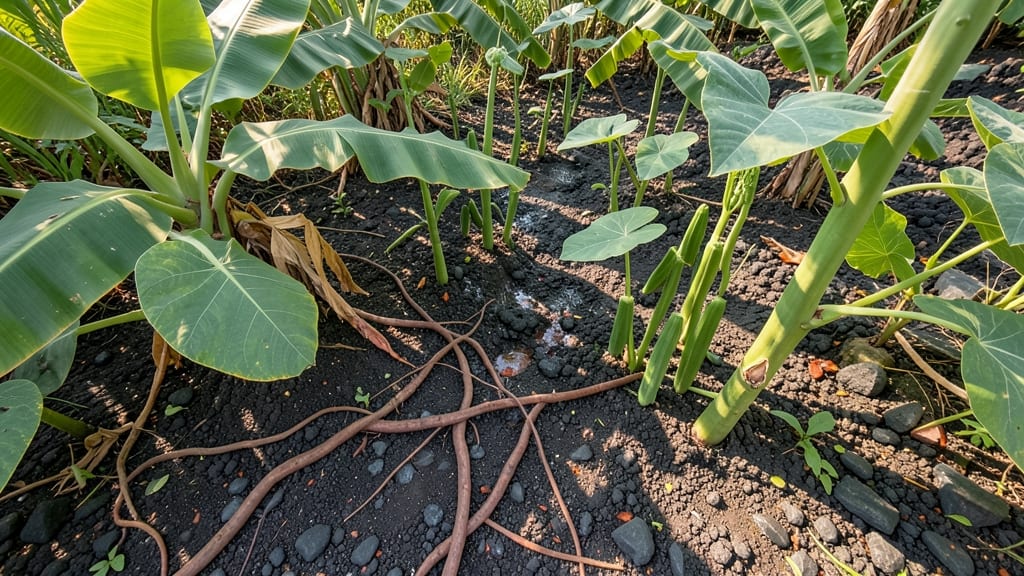
If your garden is in a tropical paradise or you're dreaming of growing okra and sweet potatoes, volcanic soil might be your secret weapon. This nutrient powerhouse is packed with potassium and phosphorus, giving tropical vegetables the boost they need to flourish—just be ready to adjust your watering routine.
Found near active volcanoes or in regions with volcanic activity, this dark, mineral-rich soil drains well but can dry out quickly. To keep it productive, mulch heavily with organic matter like coconut coir or wood chips to retain moisture. The high mineral content also means you’ll need to monitor pH levels, as volcanic soils can lean acidic—aim for a slightly acidic to neutral range (6.0-7.0) for optimal growth.
This soil type is a game-changer for gardeners in warm climates or those with a passion for heat-loving crops. Just remember: volcanic soil rewards patience and attention to moisture balance. 🌻
Hydroponic Growing Medium for Soilless Cultivation

Ready to grow vegetables without the mess of traditional soil? Hydroponic growing mediums like clay pebbles or rockwool eliminate dirt entirely while providing the perfect sterile environment for roots to thrive in water-based nutrient solutions.
These inert materials support root systems while allowing oxygen circulation—critical for fast-growing crops like lettuce, herbs, and strawberries. Unlike soil, they never compact or harbor pests, making them ideal for indoor setups or small urban spaces. Simply rinse and reuse the medium for sustainable growing year after year.
Perfect for beginners or urban gardeners with limited space, hydroponics delivers faster harvests with less water waste. 💡