
Orchid Care
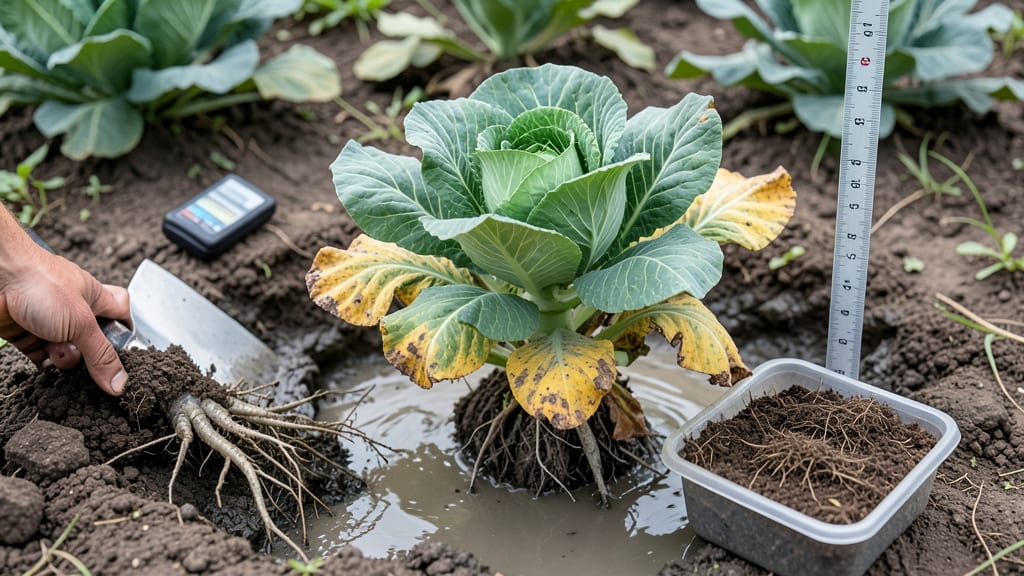
Your soggy soil from soil water logging is suffocating roots faster than you can water. 🌱 I’ve revived plants from waterlogged death zones using a three-stage system that fixes drainage, aerates compacted soil, and resets the water balance—without digging up your entire garden.
The problem starts when clay or dense soil traps water like a sponge that never drains. You’ll see yellowing leaves, moldy mulch, and roots turning brown instead of white. My tomatoes went from thriving to drowning in just two weeks last spring—until I fixed the underlying issues.
By the end of this, your plants will have firm, white roots again and a soil structure that sheds excess moisture. The key is combining organic matter, strategic amendments, and smarter watering habits—no fancy tools required. Works for vegetables, perennials, and even finicky orchids.
Let’s turn that swampy soil into a root-friendly zone.
The Hidden Triggers Behind Waterlogged Soil
Orchids thrive in a delicate balance of moisture and air—too much water, and their roots suffocate. But why does soil waterlogging strike even in well-intentioned orchid care? The answer lies in a mix of environmental, structural, and human factors that disrupt drainage.
Let’s break down the root causes (pun intended) of this common orchid nemesis.
Orchids despise soggy roots because their natural epiphytic lifestyle demands movement of air and water. When pots lack proper drainage, excess water pools at the bottom, creating a anaerobic environment—one where roots can’t breathe. Here’s why it happens:
- Clogged drainage holes: Over time, mineral buildup, old media, or even misplaced pebbles can block holes, trapping water. Pro tip: Use a needle or wire to clear holes every 3–6 months. 🔧
- Improper pot materials: Plastic pots retain moisture longer than porous materials like clay or coconut fiber. If your orchid’s in a sealed plastic container, switch to breathable alternatives.
- Compacted or degraded media: Sphagnum moss, bark chunks, or coconut husk break down into fine particles, reducing airflow. Solution: Refresh your potting mix annually or mix in perlite or charcoal for structure.
Orchids are not tropical houseplants—they’re adapted to brief, intense rainfalls followed by dry spells. Overwatering mimics a swamp, suffocating roots and inviting rot-causing pathogens. Common mistakes include:
- Watering on a schedule: Instead of guessing, use the finger test—stick your index finger 1–2 inches into the media. Water only if it’s dry.
- Ignoring humidity levels: High humidity (above 70%) means orchids need less frequent watering. A hygrometer helps track this.
- Bottom-watering without drying time: While bottom-watering is gentle, leaving the pot sitting in water for hours turns it into a root bath—literally drowning the plant. Fix: Drain excess water after 10–15 minutes.
Not all pots are created equal. Orchids need containers that mimic their natural clinging-to-trees lifestyle, with room for airflow and root expansion. Problematic setups include:
| Bad Choice | Why It Fails | Better Alternative |
|---|---|---|
| Glazed ceramic pots | Sealed surfaces trap moisture; roots can’t "breathe." | Unglazed clay pots (e.g., terracotta) |
| Plastic grow bags | No drainage holes; water pools at the base. | Slit or mesh-sided pots with drainage |
| Decorative bowls without holes | Zero airflow = root rot paradise. | Repurpose with a drainage tray and elevated pot. |
Even with perfect care, orchids can fall victim to environmental waterlogging. Watch for these outdoor and indoor triggers:
- Heavy rainfall or poor site drainage: If your orchid’s outdoors, ensure it’s on a slight incline or elevated on a slatted bench to prevent pooling.
- Indoor condensation buildup: Humidifiers or steamy bathrooms can create a micro-climate where pots stay damp too long. Solution: Move orchids away from direct moisture sources.
- Leaky irrigation systems: Drip lines or automatic waterers can over-saturate media. Fix: Check for leaks and adjust flow rates.
💡 Key Takeaway: Waterlogging is rarely a single issue—it’s usually a combo of poor pot choices + overwatering + ignored drainage. The good news? Orchids are resilient. With the right fixes, you can revive roots in 3 stages (and prevent future soggy disasters!).
How to solve it
Orchids love moisture—but not too much. When roots sit in standing water, they suffocate, rot, and lose their ability to absorb nutrients. The good news? With the right fixes, you can revive your orchid and prevent future waterlogging.
Below, we map the most common causes to practical solutions, from quick rescues to long-term prevention.
If your orchid’s roots are already mushy, black, or smelling foul, act fast with these 3-step revival tactics:
- 🔥 Step 1: Trim the Damage
Use sterilized scissors (wipe with rubbing alcohol) to cut off all black, soft, or hollow roots. Healthy roots are firm, green, or silvery. Pro tip: Trim at a 45-degree angle to prevent further rot.
- 🍳 Step 2: Disinfect & Dry
Soak the remaining roots in a 1:10 hydrogen peroxide solution (3% peroxide + water) for 10 minutes to kill fungus. Rinse, then let the orchid air-dry for 24–48 hours in a shady, well-ventilated spot.
- 🌱 Step 3: Repot in Fresh Media
Transfer to a clean pot with fresh bark mix (orchid-specific blend) and no water for 3–5 days. This gives roots time to harden before rehydrating.
Overwatering is the #1 cause of waterlogged soil. Fix it with these smart watering rules:
Cause
Fix
Prevention Tip
Watering on a schedule (even if soil isn’t dry)
Use the finger test: Stick your index finger 1–2 inches into the soil. Water only if it’s bone-dry.
💡 Keep a watering journal to track your orchid’s needs—most need water every 7–10 days in bark mix.
Using a pot with no drainage holes
Repot into a terracotta or plastic orchid pot with holes (or drill them yourself).
✨ Elevate the pot on a saucer with pebbles to improve airflow at the bottom.
Poor drainage media (like peat moss alone)
Replace with a chunky mix of:
🔥 Refresh media every 2 years—old bark compacts and holds too much moisture.
Stagnant air = stagnant water. Improve circulation with these low-effort tweaks:
- 👨🍳 Step 1: Move to Brighter, Indirect Light
Waterlogged roots often happen in low-light spots where orchids grow slowly and retain moisture. Relocate to a bright, indirect window (e.g., east or north-facing). ⚠️ Warning: Avoid harsh midday sun, which can scorch leaves.
- 💨 Step 2: Increase Air Movement
Place a small fan on low speed near the orchid (3–4 inches away) to mimic tropical breezes. This dries roots faster after watering.
- 🌿 Step 3: Space Out Plants
Crowded orchids trap humidity. Rearrange your collection so plants have 1–2 inches of space between leaves for airflow.
🎯 Final Pro Tip: If your orchid’s roots are slow to bounce back, try a weekly misting with fungicide (like copper-based sprays) to prevent mold. Patience is key—revival can take 4–8 weeks, but consistent care will bring those roots back to life!
Frequently asked questions about soil water logging
Why do my orchid roots turn black when the soil stays wet?
Black roots signal root rot from oxygen deprivation. When soil stays soggy, beneficial microbes deplete oxygen, creating an environment where harmful fungi thrive. These pathogens attack root cells, turning them mushy and black. The fix? Trim affected roots and repot in a chunky bark mix with perlite to improve airflow.
Can I save an orchid with completely mushy roots?
Yes, but act fast! First, trim all black/mushy roots with sterilized scissors. Soak remaining roots in a 1:10 hydrogen peroxide solution for 10 minutes, then air-dry for 24–48 hours. Repot in fresh bark mix and hold off on watering for 5–7 days to let roots recover. Patience is key—new growth may take 4–8 weeks.
How often should I water orchids to prevent waterlogging?
Use the finger test: Stick your index finger 1–2 inches into the media. Water only when it feels completely dry. Most orchids need water every 7–10 days in bark mix, but adjust based on humidity—high humidity means less frequent watering. Never let pots sit in standing water for more than 15 minutes.
What’s the best pot material to prevent waterlogged soil?
Terracotta or unglazed clay pots are ideal—they wick away moisture through their porous walls. Avoid plastic or sealed ceramic pots, which trap humidity. For extra airflow, choose pots with multiple drainage holes or mesh sides. Elevate pots on pebble trays to prevent water pooling below.
Will adding sand to my orchid mix fix drainage problems?
Not alone! While sand improves drainage, it can also compact over time, worsening waterlogging. Instead, mix in perlite or pumice (30%) with fir bark (40%) and charcoal (20%) for a balanced, airy medium. This combo prevents compaction while promoting root health. Refresh your mix every 2 years for best results.