
How To
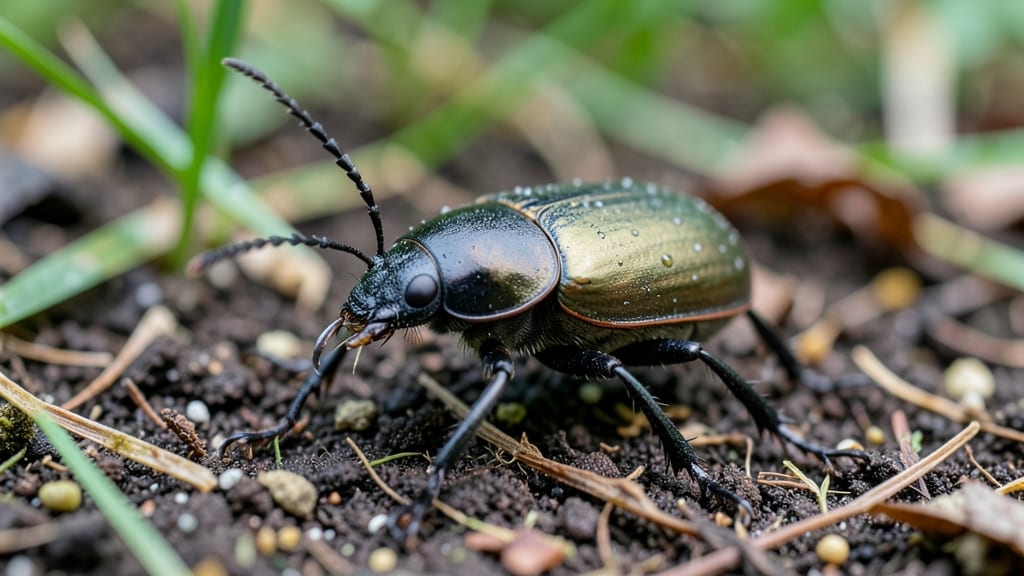
Mastering soil insects identification saves your garden before they ruin it. 🌱 I’ve spent years digging through soil, learning to tell the grubs that chew roots from the beetles that protect them—and the difference between a healthy lawn and a struggling one often comes down to knowing what’s lurking underground.
The key is their size, shape, and habits: grubs are C-shaped white larvae, wireworms are slender and brown, while ground beetles have shiny, oval bodies and hunt pests at night.
Beneficial insects like rove beetles and predatory stink bugs keep harmful ones in check, but harmful pests like cutworms and Japanese beetle grubs can devastate plants overnight.
Once you recognize them, control becomes straightforward. Beneficial insects need healthy soil and water; pests often respond to simple fixes like nematodes or milky spore for grubs. A quick soil check in spring or after rain reveals their presence before damage starts.
This guide turns confusion into confidence—no more guessing whether those holes in leaves are from beetles or worms. You’ll spot the signs early and act before your garden becomes a buffet for pests.
Root Causes Of Soil Bug Booms
Understanding why soil insects thrive in your yard starts with recognizing the environmental and ecological triggers that turn your garden into their all-you-can-eat buffet. 🍽️🌱 These tiny troublemakers don’t just appear out of nowhere—they’re responding to changes in their habitat. Let’s break down the key reasons behind their sudden presence.
Soil insects are highly sensitive to temperature and moisture levels. When seasons change—especially during warm, damp springs or unpredictable weather patterns—they get the green light to multiply.
- Warmer Winters: Many soil-dwelling insects, like grubs and cutworms, survive cold months in a dormant state.
If winters are milder than usual, they wake up earlier, giving them more time to reproduce before summer. - Excessive Rainfall: Too much water softens soil, making it easier for insects to burrow and lay eggs.
Overly saturated soil also stresses plants, releasing sugars and nutrients that attract pests like fungus gnats and wireworms. - Drought Stress: Conversely, prolonged dry spells weaken plants, making them more vulnerable to attacks from insects like root maggots and white grubs, which feed on stressed roots.
Pro Tip: 💡 Monitor your local weather patterns. If you notice unusual rainfall or temperature swings, keep an eye out for increased soil insect activity in the following weeks.
Healthy soil is a balanced ecosystem—when it’s thrown off-kilter, insects move in like uninvited guests at a party.
- Lack Of Beneficial Microbes: Fungi, bacteria, and nematodes naturally regulate insect populations.
If your soil lacks these allies (often due to chemical pesticides or poor organic matter), harmful insects like beetle grubs and weevils take over. - Over-Fertilization: Too much synthetic nitrogen can create a feast for soil insects.
Excess fertilizer promotes lush, tender plant growth that’s irresistible to pests like cutworms and root borers. - Compacted Soil: Heavy foot traffic, machinery, or clay-heavy soil reduces oxygen levels. This creates anaerobic conditions where insects like wireworms thrive, as they prefer low-oxygen environments.
Actionable Fix: 🔥 Conduct a simple soil test to check pH and nutrient levels. Amend with compost or organic matter to restore balance and deter pests naturally.
Stressed plants are like open invitations for insects to dine and multiply. When plants are unhealthy, their natural defenses weaken, making them prime targets.
- Disease Or Pest Damage: If plants are already under attack from fungi, viruses, or other insects, they become more susceptible to secondary soil pests like root-knot nematodes or scarab grubs. - Improper Planting: Overcrowded plants compete for resources, leading to stunted growth and weakened roots—perfect conditions for insects like cutworms to feast on tender stems. - Wrong Plant For The Soil: Some plants are naturally more attractive to certain insects.
For example, corn roots are a magnet for wireworms, while roses may draw in Japanese beetle grubs.
Pro Tip: ✨ Rotate crops annually and choose native or pest-resistant plant varieties to reduce attractants for soil insects.
What humans do above ground often directly impacts what’s happening below it. Unintentional changes can turn your yard into an insect paradise.
- Lawn Fertilization Practices: Heavy use of fast-acting fertilizers can disrupt soil ecosystems, encouraging pests like chafer grubs and billbugs.
- Irrigation Overhead: Sprinklers can wash eggs and larvae deeper into the soil, protecting them from predators and drying conditions.
- Mulch And Debris: Thick layers of organic mulch or leaf litter provide shelter and moisture for insects like pill bugs and earwigs, allowing their populations to explode.
Actionable Step: 🌡️ Switch to slow-release, organic fertilizers and water at the base of plants to minimize surface runoff and egg dispersal.
A healthy soil ecosystem relies on a balance of predators and prey. When natural enemies of soil insects disappear, the pests thrive unchecked.
- Pesticide Overuse: Broad-spectrum pesticides kill not only target pests but also beneficial insects like ground beetles, spiders, and predatory nematodes that keep soil insect populations in check.
- Habitat Loss: Urbanization and landscaping changes reduce the diversity of plants and microhabitats that support predator species.
- Monoculture Gardening: Planting the same crops year after year depletes soil biodiversity, leaving fewer predators to control insect outbreaks.
Pro Tip: 🎯 Introduce beneficial insects like lacewings, ladybugs, or parasitic wasps to your garden. Planting diverse ground covers also supports their habitats.
Practical steps to control soil pests
Dealing with soil insects can feel overwhelming, but the right approach keeps your garden thriving. Below, we’ve mapped out targeted fixes for common causes—whether it’s damage from grubs, termites, or other burrowing pests—along with preventive tips to stop future infestations.
These solutions are easy to implement, even for beginners, and prioritize eco-friendly methods where possible.
Cause: White grubs (Japanese beetle larvae, June beetle grubs) chew on roots, leading to wilted or dying plants.
How to Fix It 1. 🔪 Handpick & Destroy
- When: Late summer/early fall (when grubs are near the surface).
- How: Dig up infested areas (6–8 inches deep) and collect grubs in a bucket of soapy water.
Dispose of them in sealed trash. - Pro Tip: 💡 Check for grubs by slicing through the soil with a spade—if you see white, C-shaped larvae, act fast!
2. 🌱 Beneficial Nematodes (Organic Solution)
- When: Early spring or fall (soil temps 50–85°F).
- How: Apply Heterorhabditis bacteriophora nematodes (sold as liquid or powder) to moist soil. Water lightly afterward. These microscopic worms paralyze and kill grubs naturally.
- Cost: ~$20–$40 per 1 million nematodes (covers ~1,000 sq ft).
3. 🧴 Neem Oil or Milky Spore (Preventative)
- Neem Oil: Mix 2 tbsp neem oil + 1 tsp dish soap in 1 gallon of water. Spray soil in late evening (avoids harming bees).
- Milky Spore: A bacteria (Bacillus popilliae) that infects grubs. Sprinkle granules on soil in spring/fall (takes 1–2 years to establish but lasts decades).
Prevention Tips:
- ✨ Rotate crops to disrupt grub life cycles.
- 🌡️ Avoid overwatering—grubs thrive in soggy soil.
- 🥗 Plant resistant varieties like marigolds or nematode-attracting cover crops (e.g., buckwheat).
Cause: Subterranean termites or beetle larvae (e.g., powderpost beetles) weaken wood structures or mulch.
How to Fix It
1. 🏗️ Remove Wood Debris & Mulch
- When: Year-round (termite swarms peak in spring/summer).
- How: Clear firewood, stumps, and old mulch 20+ feet from your home. Replace mulch with gravel or crushed stone (termites avoid dry conditions).
2. 🛡️ Termite Baits or Barriers
- Baits: Use slow-acting termite baits (e.g., Recruit HD) near infested areas. Worker termites carry poison back to the colony.
- Barriers: Install physical barriers (e.g., copper mesh or sand barriers) during construction or retrofitted under decks.
3. 💦 Reduce Moisture (Termite Deterrent)
- Fix leaky pipes, improve drainage, and avoid overwatering lawns near foundations. Termites need moisture to survive.
Prevention Tips:
- 🔍 Inspect annually for mud tubes (termite highways) or tiny holes in wood.
- 🌿 Plant termite-repelling species like lemongrass, catnip, or mint near foundations.
- 🕳️ Seal cracks in basements, porches, and siding with caulk.
Cause: Fire ants, harvester ants, or earwigs create mounds or nest in mulch, damaging plants and creating unsightly piles.
How to Fix It
1. 🔥 Boiling Water or Vinegar (Quick Fix)
- When: Early morning (ants are most active).
- How: Pour boiling water directly into ant mounds or mix 1:1 vinegar + water in a spray bottle. Reapply every 2–3 days for 2 weeks.
2. 🏺 Diatomaceous Earth (DE) or Borax
- DE: Sprinkle food-grade DE around mounds and entry points. It dehydrates insects (reapply after rain).
- Borax: Mix 1 tbsp borax + 1 gallon water in a spray bottle. Target nests (avoid pets/kids—wear gloves).
3. 🌿 Natural Repellents
- Cinnamon or Chili Powder: Sprinkle around perimeter to deter ants.
- Essential Oils: Mix 10 drops peppermint oil + 1 cup water in a spray bottle. Spray around plants.
Prevention Tips:
- 🌡️ Keep mulch 12+ inches from structures to discourage nesting.
- 🧹 Clean up food spills (ants scavenge crumbs).
- 🌱 Use ant-proof containers for compost or pet food.
Cause: Wireworms (click beetle larvae) and cutworms gnaw on seeds, seedlings, and roots.
How to Fix It
1. 🌱 Trap Cropping
- Plant wireworm magnets like corn or wheat in a separate bed. Once pests gather, till the soil in late fall to expose them to predators (birds, toads).
2. 🍳 Chicken or Duck Manure (Hot Composting)
- Wireworms hate heat. Pile fresh manure in a compost bin for 3–4 weeks to create a "hot" environment, then mix into soil. The heat kills larvae.
3. 🔪 Row Covers or Collars
- For cutworms: Place cardboard collars (3–4 inches tall) around young plants or use floating row covers at night.
Prevention Tips:
- 💡 Rotate planting beds annually to starve out larvae.
- 🌿 Plant deep-rooted crops (e.g., carrots, parsnips) to outcompete pests.
- 🕯️ Use yellow sticky traps to monitor wireworm activity.
Regardless of the pest, healthy soil is your best defense.
Try these low-effort upgrades: - 🔄 Add compost (1–2 inches annually) to improve soil structure and attract beneficial microbes. - 🌿 Interplant with nematode-friendly crops like cucumbers, tomatoes, or marigolds. - 💧 Water deeply but infrequently to encourage deep root growth (pests target stressed plants).
Final Reminder: 🎯 Act early—most soil pests are easier to manage before they cause visible damage. Combine prevention + targeted treatments for long-term success!
Frequently asked questions
How can I tell if my lawn damage is from grubs or other soil insects?
Look for these clues: grubs leave patches where grass pulls up easily (roots severed), while wireworms create irregular holes in seedlings. Cutworms sever stems at soil level, leaving plants toppled. Dig up a small section—if you see white, C-shaped larvae (grubs) or brown, slender larvae (wireworms), you’ve identified them.
Are all soil insects harmful? What are the good ones?
Not at all! Ground beetles (shiny, oval, fast-moving) and rove beetles (long, segmented bodies) hunt pests. Predatory mites and spiders also help. Beneficials thrive in healthy soil—look for them patrolling your garden at night. If you see them, you’re on the right track!
When is the best time to check for soil insects?
Check in early spring (when larvae emerge) or after heavy rain (they move upward). Dig a 6-inch-deep sample from damaged areas—morning is ideal when soil is moist but not soggy. Avoid checking after pesticide use, as it may mask their presence.
What’s the fastest way to confirm an ant mound is fire ants vs. regular ants?
Fire ants build volcano-shaped mounds with tiny craters (like mini volcanoes), while regular ants create flatter, dome-like hills. Fire ants also aggressively defend their mounds—poke it with a stick and watch for a swarm attack! If you see them, act quickly—they multiply fast.
Can I use coffee grounds to deter soil insects?
Yes, but with caution! Coffee grounds repel some pests (like ants and slugs) due to their acidity, but they can also attract fungus gnats if overused. Sprinkle a thin layer (½ inch) around plants, then mix into soil—never pile them up, as they’ll create a breeding ground for moisture-loving pests.