
How To
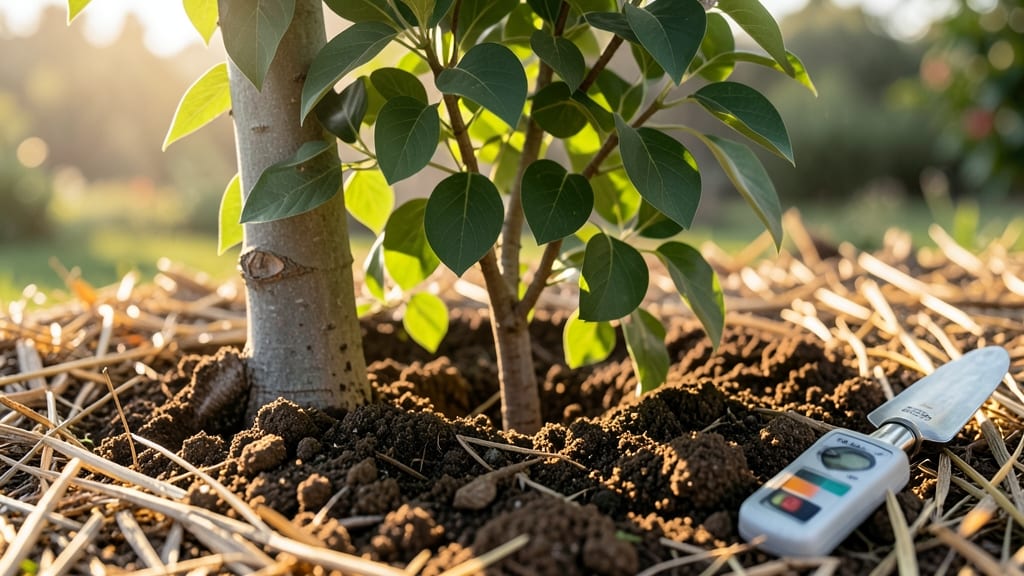
The right soil for lilacs isn’t just good—it’s the difference between a few sad blooms and a showstopping spring display. 🌸 I’ve learned that lilacs demand well-drained, slightly acidic soil (pH 6.0–7.0), and getting it wrong means struggling with weak growth or sparse flowers.
The secret lies in balancing organic matter, sand, and proper drainage—none of that heavy, compacted dirt that strangles roots.
Start with a 50/50 mix of native soil and compost, then add coarse sand or perlite to prevent waterlogging. Lilacs hate soggy feet, so if your yard has clay, amend it generously.
A simple soil test (available at garden centers) tells you exactly what to tweak—whether it’s lime to raise pH or peat moss to acidify. I’ve seen lilacs revive after just one season of proper soil care.
Once planted, maintain that loose, airy texture by mulching with shredded bark or pine needles. This keeps moisture consistent and feeds the roots slowly. Troubleshoot yellowing leaves? That’s often a pH issue—add sulfur to lower it or crushed limestone to raise it.
With the right soil, your lilacs will reward you with fragrant blooms for decades.
Works for both in-ground plantings and container lilacs—just scale the mix to your pot size. The key is patience: soil health builds over time, but the payoff is worth every shovelful. Let’s get those roots happy!
📚 In This Guide
- What you need
- Instructions
- Tips and common mistakes
- Wrapping up and next steps
What you need
- ● Topsoil: 50% of the mix (2 parts). Use high-quality, well-draining topsoil with a slightly acidic to neutral pH (6.0–7.0).
- ● Peat moss or coconut coir: 25% of the mix (1 part). Enhances moisture retention and acidity. Opt for sphagnum peat moss for best results.
- ● Compost: 25% of the mix (1 part). Adds nutrients and improves soil structure. Use well-aged, organic compost.
- ○ Lime (optional but recommended): A handful per 5-gallon bucket of mix. Garden lime (calcium carbonate) helps balance acidity if your soil tests too acidic (below 6.0).
- ○ Sulfur or pine fines (optional): 1–2 tablespoons per 5-gallon bucket. Use if your soil is too alkaline (above 7.0) to lower the pH.
- ● Garden trowel or spade: For mixing and amending soil.
- ● Wheelbarrow or large bucket: To blend materials easily (5+ gallons capacity).
- ● pH testing kit: To check soil acidity before and after mixing. Digital meters or test strips work well.
- ● Gloves & protective eyewear: For handling soil and amendments safely.
- ○ Mulch (optional but helpful): 2–3 inches of pine bark or wood chips to retain moisture and maintain acidity.
How to create the perfect acidic soil mix for lilacs
Lilacs thrive when their soil mirrors their natural woodland understory—slightly acidic and rich in organic matter. Here's how to replicate that balance for vibrant blooms every spring.
🌱 Step 1: Start with a Neutral Base and Organic Amendments
Begin with 50% high-quality garden soil or a premium potting mix as your foundation. Lilacs dislike heavy clay or sandy soils, so if your native soil is compacted, blend in 30% compost (well-aged, not fresh) to improve drainage and nutrient retention. I like to use a 5-year compost—it's broken down enough to feed roots without burning them.
Work the compost into the top 12 inches of soil using a garden fork or tiller. Break up any clumps and remove rocks or debris larger than 1 inch, as these can disrupt root growth. The goal is a loose, crumbly texture that holds moisture but drains freely. If your soil feels gummy when squeezed, add 20% perlite or coarse sand to improve aeration.
💧 Step 2: Acidify the Mix with Natural Amendments
Lilacs prefer a soil pH of 6.0 to 7.0, but they tolerate slightly acidic conditions better than alkaline. To lower pH naturally, mix in 10% peat moss or pine bark fines—both release organic acids as they decompose. I avoid sphagnum peat because it can become too dense over time; instead, I use rehydrated peat moss that's been pre-moistened and fluffed.
Spread a ½-inch layer of finely ground pine needles or oak leaves over the amended soil. These add a slow-release acidity and improve moisture retention. Avoid using cedar chips, as they release phenolic compounds that can inhibit growth. Water the amended area thoroughly after adding these materials to help them integrate into the soil profile.
☀️ Step 3: Incorporate Slow-Release Nutrients for Long-Term Health
Lilacs are light feeders but benefit from a steady supply of nutrients, especially phosphorus for blooming. Mix in 1 cup of bone meal per planting hole or 2 tablespoons per square foot of amended soil. Bone meal releases phosphorus slowly and also contains calcium, which strengthens cell walls and improves disease resistance.
For micronutrients, add 1 tablespoon of kelp meal per square foot. Kelp isn't just for coastal gardens—it's packed with trace minerals like boron and manganese that lilacs need for vibrant flower colors. Work these amendments into the top 6 inches of soil, where most lilac roots reside. Avoid overdoing it; lilacs are sensitive to excess salts, which can occur with synthetic fertilizers.
✂️ Step 4: Test and Adjust Before Planting
Use a soil pH test kit to check your amended mix. Aim for a reading between 6.0 and 6.5—this is the sweet spot for lilacs. If the pH is still too high (above 7.0), add ½ cup of aluminum sulfate per 100 square feet and retest in 2-3 weeks. For overly acidic soil (below 5.5), sprinkle limestone chips and mix lightly into the top inch.
Pay attention to the soil's texture after amendments. It should hold together when lightly squeezed but still crumble easily. If it feels too dense, add more perlite or sand. If it feels like dry powder, incorporate another 10% compost. The ideal mix for lilacs should resemble a well-drained loam—neither too tight nor too loose. This balance ensures roots get both oxygen and moisture without drowning.
🪴 Step 5: Maintain Soil Health Year-Round
After planting, mulch the soil surface with 2-3 inches of pine bark or shredded leaves to preserve moisture and gradually acidify the soil. Replenish mulch annually in early spring, as it breaks down quickly. Avoid piling mulch directly against the trunk, as this can trap moisture and invite rot.
Every 2-3 years, top-dress the soil with a ½-inch layer of compost and a sprinkle of peat moss to maintain acidity. Lilacs are deep-rooted, so they'll benefit from occasional deep watering—aim for 1-1.5 inches of water per week, delivered slowly to encourage root growth. You'll know your soil mix is working when lilacs produce abundant buds by late winter and bloom prolifically in spring.
Tips & tricks for perfect lilac soil blends
Creating the ideal lilac-friendly soil mix isn't just about throwing together some amendments—it's about understanding how each component works together. Here's what I've learned from years of trial and error to ensure your lilacs thrive.
Texture is Everything: When working the 5-year compost into the top 12 inches of soil, think of it like making a cake batter—you want a light, airy consistency. After mixing, perform the "squeeze test": gently press a handful of soil. It should hold its shape when squeezed but crumble easily when released. If it feels gummy, add another 5% perlite or coarse sand and remix. This prevents compaction while maintaining moisture retention, which is critical for lilac roots that spread wide but shallowly.
Peat Moss Selection Matters: Not all peat moss works equally well. I've found that rehydrated peat moss (pre-moistened and fluffed) integrates better than dry sphagnum peat, which can clump and create pockets of anaerobic soil. For an even more effective acidifying agent, blend 5% pine bark fines with your peat moss—the bark breaks down slowly, providing long-term acidity without the density issues. Spread a ½-inch layer of finely ground pine needles after mixing to create a natural mulch layer that continues acidifying over time.
Nutrient Timing is Key: The 1 cup of bone meal per planting hole should be worked into the soil at least 2-3 weeks before planting. This gives the phosphorus time to dissolve and become available to roots without causing a sudden nutrient spike that can stress young lilacs. For the 1 tablespoon of kelp meal per square foot, mix it into the top 6 inches where most roots will establish—this ensures micronutrients are accessible right from the start. I've noticed that lilacs planted in soil with pre-mixed kelp meal develop deeper purple flower tones within just two growing seasons.
pH Testing Strategy: When using a soil pH test kit, take multiple samples from different areas of your amended soil—pH can vary by 0.5 points even within a small garden bed. If your reading comes in at 6.8-7.0, don't panic—this is still acceptable for lilacs. However, if you're above 7.0, add ½ cup of aluminum sulfate per 100 square feet and wait exactly 2-3 weeks before retesting. The key is patience; rushing the adjustment can lead to overly acidic soil (5.5 or below), which stresses lilacs just as much as alkaline conditions.
Pro Tips for Soil For Lilacs
- Creating the ideal lilac-friendly soil mix isn't just about throwing together some amendments—it's about understanding how each component works together.
- Texture is Everything: When working the 5-year compost into the top 12 inches of soil, think of it like making a cake batter—you want a light, airy consistency.
- Peat Moss Selection Matters: Not all peat moss works equally well.
Frequently asked questions
Got questions about the perfect soil for lilacs?
You’re not alone! Whether you’re troubleshooting poor growth or planning your next planting, these answers will help you keep your lilacs thriving.
What pH level is ideal for lilacs, and how do I test it?
Lilacs thrive in soil with a pH between 6.0 and 7.0—slightly acidic to neutral. To test your soil, grab a home pH kit (or send a sample to a local extension office) for accuracy. If your soil is too alkaline (above 7.0), amend it with peat moss or sulfur to lower the pH gradually. Pro tip: Test in spring before fertilizing for the best results!
How long does it take for amended soil to reach the right pH for lilacs?
Adjusting soil pH isn’t instant—it can take 2–4 months for amendments like sulfur or peat moss to fully take effect. For faster results, re-test soil every 4–6 weeks and reapply amendments if needed. Patience pays off, especially if your lilacs are struggling with yellowing leaves or sparse blooms. Think of it as a slow-cooked recipe for happy plants!
Can I grow lilacs in containers? What kind of soil mix should I use?
Lilacs do well in containers with well-draining, acidic soil. Use a mix of:
- 50% peat moss or coco coir (for acidity)
- 30% garden soil (for nutrients)
- 20% perlite or sand (for drainage)
My lilac leaves are yellowing. Is it the soil, or something else?
Yellow leaves can stem from overwatering, poor drainage, or nutrient deficiencies. First, check if the soil is waterlogged—lilacs hate soggy roots! If the pH is off (too alkaline), amend the soil. Iron chlorosis (yellowing between veins) often signals low iron; use a chelated iron supplement if needed. Also, ensure your lilac gets full sun (6+ hours/day)—shady spots stress plants!
Should I fertilize lilacs, and what’s the best time to do it?
Yes! Lilacs benefit from balanced, acidic fertilizer (like 10-10-10 or 12-12-12) applied twice a year:
- Early spring (before new growth)
- Late summer (after blooming)
Wrapping up and next steps
Choosing the right soil for lilacs is the secret to vibrant, year-round blooms that’ll make your garden the talk of the neighborhood! 🌸 With the perfect acidic mix—rich in organic matter, well-draining, and slightly moist—you’re setting your lilacs up for success.
Don’t forget to monitor pH levels and amend as needed to keep those fragrant flowers thriving.
Now that you’re armed with the know-how, it’s time to roll up your sleeves and get planting! Start by prepping your soil, then watch your lilacs reward you with lush growth and stunning blooms. Happy gardening—your future floral masterpiece awaits! 🌱✨