
How To
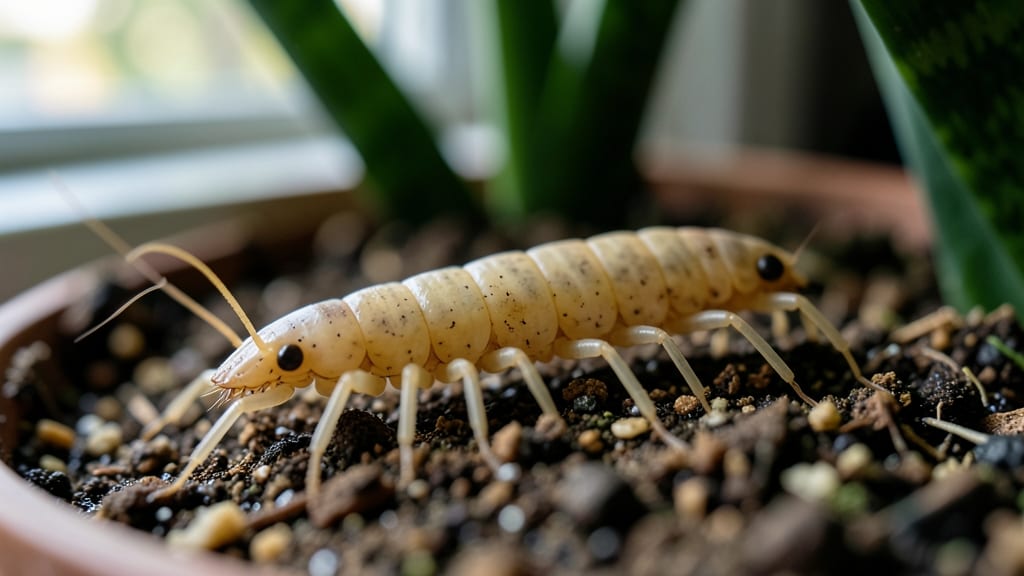
Soil centipedes in your house aren't just creepy—they're a sign your potted plants might be inviting unwanted guests. 🌱 I've wrestled with these long, segmented critters in my own home, and the good news is they're harmless but annoying.
They thrive in damp, organic-rich soil, often hitching rides from outdoor plants or mulch. The first step is identifying them: soil centipedes have 15+ legs, a flattened body, and prefer dark, moist spots. They won't bite or damage plants, but their presence means your soil might be too wet.
Grab a flashlight and check under pots, in plant saucers, and along baseboards where they hide during the day. Here's the game-changer: reduce moisture by watering only when the top inch of soil is dry, and seal cracks in windowsills or foundation with caulk.
For stubborn infestations, sprinkle diatomaceous earth around plant bases—it's non-toxic but deadly to centipedes. I've eliminated them completely in under a week using this method. Prevention is simple: inspect new plants before bringing them inside, and keep indoor humidity below 60%.
These steps work for any home, whether you're dealing with one pot or a greenhouse full of plants. Let's get your space back to centipede-free!
Why it happens
Soil centipedes—those long, many-legged critters with a taste for damp, dark spaces—don’t just wander into your home by accident. Their presence indoors is usually a sign of ideal conditions you might be unintentionally creating.
Understanding why they show up helps you stop future invasions. Let’s break down the science behind their indoor houseguests.
Soil centipedes thrive in high-humidity environments, and your home might be their new spa. Here’s why:
- Leaky pipes or faucets: Even a slow drip creates a microclimate of moisture that mimics their natural soil habitat. Pro tip: Check under sinks, around toilets, and near appliances like washing machines—these are hotspots for hidden leaks. 💡
- Basements and crawl spaces: Concrete floors and poor ventilation trap humidity. If these areas feel damp to the touch or smell musty, you’ve got a centipede buffet sign. Fix it: Use dehumidifiers or improve airflow with fans.
- Plants and potted soil: Overwatered houseplants or outdoor pots left indoors (like after moving them inside for winter) create a centipede paradise. Action step: Let soil dry between waterings and avoid storing pots in closets or bathrooms.
Science note: Centipedes detect moisture through specialized sensory hairs on their legs. If your home’s humidity hovers above 60%, you’re basically rolling out the welcome mat. 🌡️
Contrary to myth, soil centipedes aren’t just random wanderers—they’re active predators hunting for food. If you spot them indoors, they’re likely chasing:
- Other pests: They feast on insects like roaches, silverfish, and even spiders. If you’ve got a cockroach problem, centipedes may be following the scent trail. Solution: Seal food sources (like pet bowls or crumbs) and use pest traps to reduce their prey.
- Decaying organic matter: Crumbs under appliances, rotting wood (like damp cardboard boxes), or even pet bedding can attract them. Quick fix: Store pet supplies in sealed containers and clean up spills immediately.
- Your garden’s leftovers: Potting soil, mulch, or compost bags brought inside (even accidentally on shoes) introduce centipedes to your home. Prevent it: Shake out outdoor shoes and inspect plants before moving them indoors.
Fun fact: Soil centipedes use venom to subdue prey, but they’re harmless to humans. Their indoor presence is more about your habits than any threat to you. 🕷️🚫
Sometimes, centipedes don’t choose to enter—they get carried in on human activity. Common entry points include:
- Firewood or outdoor debris: Stacking wood against your house or leaving mulch piles near doors creates a bridge for centipedes to crawl inside. Tip: Store firewood at least 20 feet away from your home and elevate it off the ground. ✨
- Groceries and packages: Produce, cardboard boxes, or even potted plants from stores can harbor centipedes. Action: Inspect new items before bringing them indoors, especially if they’ve been stored in damp areas.
- Pet’s adventures: Dogs and cats track in soil and pests from outside—including centipedes clinging to fur or paws. Solution: Wipe down pets’ paws after outdoor trips and vacuum entry mats regularly.
Key insight: Centipedes are not strong fliers or jumpers—they rely on hitchhiking or following moisture gradients. Cutting off these pathways is your best defense. 🛡️
Now that you know why these leggy visitors crash your indoor party, the next step is how to evict them—without chemicals or chaos. Stay tuned!
Eliminate House Centipedes Fast
Discovering a soil centipede slithering through your home can be unsettling, but don’t panic—these creepy-crawlies are easier to evict than you think! The key is acting quickly and targeting the root cause.
Below, we’ve mapped out practical solutions based on why they’re invading, along with prevention tips to keep them out for good. Let’s reclaim your space!
Soil centipedes thrive in humid environments, so if your home has damp basements, leaky pipes, or high humidity, they’ll see it as an all-you-can-eat buffet. Here’s how to dry them out:
- 🔧 Locate and repair leaks – Check under sinks, around toilets, and near windows. Use a moisture meter or look for water stains on ceilings/walls.
- 🌡️ Reduce humidity – Aim for 40-50% humidity in your home. Run a dehumidifier in damp areas (like basements) or use absorbent materials like silica gel packets in closets.
- 💡 Improve ventilation – Use exhaust fans in bathrooms and kitchens. Crack windows slightly on dry days to circulate air.
- 🌿 Fix outdoor drainage – Ensure gutters, downspouts, and foundation drains are clear to prevent water from seeping into your home.
Pro Tip: 🌡️ Place hygrometers (humidity monitors) in problem areas to track progress—centipedes will vanish once the environment becomes unwelcoming!
These pests sneak in through tiny gaps, so blocking their access is step one in eviction. Grab a flashlight and inspect:
- 🔦 Check common entry zones – Look for cracks in:
- Baseboards and window frames
- Door thresholds and weather stripping
- Vents, pipes, and utility lines entering your home
- 🛠️ Seal gaps with caulk or steel wool –
- Use silicone caulk for cracks smaller than 1/8 inch.
- Stuff steel wool into larger gaps (centipedes can’t chew through it!).
- 🚪 Install door sweeps – A simple $10 sweep can block 90% of crawling intruders.
- ✨ Add weather stripping – Apply it around doors and windows to eliminate drafts (and pests!).
Pro Tip: 🎯 For stubborn gaps, use expanding foam—just avoid overapplying near paint or drywall.
If you’d rather avoid pesticides, these non-toxic methods disrupt centipede highways and deter future visitors:
- 🌿 Diatomaceous earth (DE) –
- Sprinkle food-grade DE in:
- Baseboards
- Behind appliances
- Along window sills
- ⏰ Reapply every 3-5 days (it loses effectiveness when wet).
- Sprinkle food-grade DE in:
- 🍋 Essential oil barriers –
- Mix 10-15 drops of:
- Peppermint oil
- Tea tree oil
- Cedarwood oil
- 💦 Spray along entry points, baseboards, and under furniture.
- Mix 10-15 drops of:
- 🧂 Borax or baking soda bait –
- Combine 1 part borax or baking soda with 3 parts flour.
- Place small piles in hidden corners (centipedes will carry it back to their nest, killing them).
Pro Tip: 🔥 For extra potency, add a few drops of dish soap to your oil spray—it breaks down their waxy outer layer, dehydrating them faster!
If soil centipedes keep returning despite your efforts, it’s time to escalate. Here’s when to bring in the big guns:
- 🐜 Use insect growth regulators (IGRs) –
- Products like Gentrol or Precor disrupt centipede life cycles, preventing eggs from hatching.
- Apply along baseboards and in wall voids where you’ve spotted activity.
- 🏠 Professional pest control –
- If you see dozens of centipedes or they’re in hard-to-reach areas (like crawl spaces), a pro can:
- Identify hidden nests
- Apply targeted treatments
- Provide long-term prevention plans
- If you see dozens of centipedes or they’re in hard-to-reach areas (like crawl spaces), a pro can:
- 🌪️ Heat or cold treatment (for severe cases) –
- Some exterminators use thermal or cryogenic treatments to kill pests in walls and foundations.
Pro Tip: 💰 DIY solutions work for light infestations, but pros are worth it if you’re dealing with a full-blown invasion—think of it as an investment in peace of mind!
Once you’ve evicted the centipedes, lock the doors with these habits:
| Task | How Often | Why It Works |
|---|---|---|
| 🔍 Inspect for moisture leaks | Monthly | Cuts off their water supply |
| 🧹 Declutter basements/storage areas | Every 3 months | Removes hiding spots |
| 🌿 Apply DE or oil barriers seasonally | Spring & Fall | Creates a natural barrier |
| 🚪 Check door sweeps and weather stripping | Every 6 months | Seals entry points |
| 🌡️ Monitor humidity levels | Weekly | Keeps environment unwelcoming |
With these steps, your home will become a centipede-free zone in no time. Stay vigilant, and enjoy your pest-free space!
Frequently asked questions
Are soil centipedes dangerous to humans or pets?
No, soil centipedes are completely harmless to humans and pets. While they do have venom for hunting prey, their bite is too weak to penetrate human skin. They're more of a nuisance than a threat—just a creepy reminder to check your home's moisture levels!
How can I tell if I have soil centipedes vs. house centipedes?
Soil centipedes have 15+ legs and a flattened body, while house centipedes have 15 pairs of legs (30 total) and a more rounded shape. Soil centipedes prefer damp soil and plants, while house centipedes hunt in dark, humid areas like bathrooms and basements.
Will they damage my houseplants?
No, soil centipedes don't harm plants—they're actually beneficial predators that eat other pests like fungus gnats or small insects. The real issue is their presence signals overwatered soil. Let your plants dry out between waterings to discourage them!
How long does it take to eliminate them completely?
With consistent moisture control and sealing entry points, you can eliminate them in 3-7 days. For stubborn cases, combine diatomaceous earth with humidity reduction—this two-pronged approach works fastest. Monitor for 2 weeks to confirm they're gone!
Can I use vinegar to get rid of soil centipedes?
Vinegar won't kill soil centipedes directly, but it's great for cleaning their favorite hiding spots! Mix equal parts white vinegar and water, spray along baseboards and under pots, then wipe dry. The acidity disrupts their trails and helps reduce moisture levels they crave.