
Neem Oil
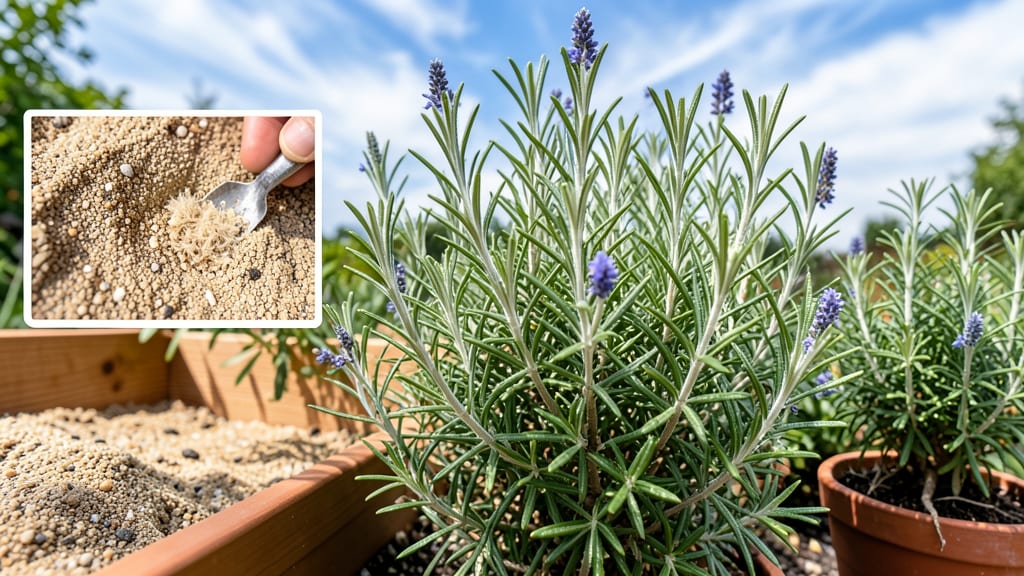
Your rosemary soil mix is the secret weapon behind those fragrant, bushy plants that thrive year after year. 🌿 The right blend prevents root rot, keeps pests at bay, and ensures your rosemary grows bold and healthy instead of leggy and sparse.
I learned this the hard way after my first rosemary plants struggled in heavy garden soil—until I switched to a well-draining mix. Start with 60% coarse sand or perlite for drainage, then blend in 30% potting soil (not garden soil) and 10% compost for nutrients.
For extra defense, add 1 teaspoon of neem oil per gallon of mix—this fungal and pest protection makes all the difference. Rosemary hates soggy roots, so if your soil is clay-heavy, mix in 20% additional perlite to lighten it up.
Once mixed, your rosemary will reward you with thick, needle-like foliage that smells amazing when crushed. The key is keeping the soil slightly dry between waterings—rosemary tolerates drought far better than overwatering. For containers, use a mix with at least 50% inorganic matter (like sand or gravel) to prevent compaction.
This mix works for both in-ground plantings (amend the soil first) and container growing (use it straight from the bag). The neem oil defense gives you an extra layer of protection against common rosemary pests like spider mites and whiteflies—no chemicals needed!
📚 In This Guide
- What you need
- Instructions
- Tips and common mistakes
- Wrapping up and next steps
What you need
- ● Potting soil or garden soil: 60% of the mix (50% for containers, 70% for in-ground planting). Use a well-draining blend (e.g., Miracle-Gro Potting Mix or coco coir-based soil).
- ● Perlite or pumice: 20% of the mix (1 part perlite to 4 parts soil). Improves aeration and drainage.
- ● Compost or worm castings: 10% of the mix (1 part compost to 5 parts soil). Adds nutrients without overfeeding.
- ● Sand (coarse horticultural): 10% of the mix (1 part sand to 5 parts soil). Enhances drainage for rosemary’s Mediterranean roots.
- ● Neem oil (organic): 1 tbsp per gallon of water (for soil drench). Use pure, cold-pressed neem oil (e.g., Garden Safe Neem Oil).
- ● Rosemary plants or cuttings: 1–3 plants per 12-inch pot or 1 plant per 18-inch spacing in-ground.
- ● Garden gloves (to protect hands from neem oil and soil).
- ● Trowel or hand shovel (for mixing and planting).
- ● Large mixing container (wheelbarrow, bucket, or clean trash can).
- ● Watering can or spray bottle (for neem oil application).
- ○ pH testing kit (optional but helpful)—rosemary thrives in 6.0–7.0 pH.
- ○ Mulch (optional): Pine bark or gravel to retain moisture and deter weeds.
Step-by-Step guide to crafting the perfect rosemary soil mix
This blend gives rosemary exactly what it craves—drainage, aeration, and a touch of neem oil defense.
🌱 Step 1: Combine Base Materials for Optimal Drainage
Rosemary roots despise soggy conditions, so start with 50% coarse sand or perlite—this creates air pockets for roots to breathe. Measure 2 parts potting mix (use a well-draining blend, not garden soil) and mix it with 1 part coarse sand. Sift the potting mix first to break up any clumps, then combine gently with your hands to avoid compacting.
Here's the thing—rosemary thrives in lean soil. If your potting mix contains compost or fertilizer, reduce it by half. You want nutrients, but not the dense, moisture-retentive texture that suffocates rosemary roots. Think "airy" rather than "rich." Tap the container lightly after mixing to settle the blend without compacting it.
🌿 Step 2: Add Organic Matter for Nutrient Balance
Incorporate 1 part coconut coir or peat moss to hold moisture without compacting. This keeps the mix light but retains enough water for rosemary’s Mediterranean roots. Sprinkle the coir evenly over the sand/potting mix blend, then fold it in with a small hand trowel or your fingers—just until uniform.
Don’t overdo it. Too much organic matter will make the mix too dense. Rosemary prefers drier conditions, so this step is about balance. If your hands come away with clumps, add a little more sand to lighten the texture. The goal is a mix that crumbles easily when squeezed—like a damp sponge.
💧 Step 3: Integrate Neem Oil for Disease Prevention
Mix in 1 teaspoon of neem oil per gallon of soil mix to deter fungal issues. Dilute the neem oil first with 1 tablespoon of water per teaspoon of oil, then stir it into the blend. This prevents fungal spores from taking hold in the soil, which is especially critical if you’re repotting an established rosemary plant.
Neem oil isn’t just a fungicide—it also deters pests like spider mites, which love stressed rosemary. Work the diluted oil into the mix thoroughly, focusing on the bottom third where roots will settle. If the mix feels dry after adding the oil, lightly mist it with water until it’s evenly moist but not soggy.
✂️ Step 4: Test and Adjust for Ideal Texture
Fill a small container with the mix and press down gently. If water runs through too quickly, add 5% more coconut coir to retain moisture slightly. If it feels too dense, stir in another 10% sand. The perfect mix should hold moisture like a wrung-out sponge—damp but not dripping.
Run a finger through the mix. It should feel gritty but not coarse, with a slight resistance when pressed. If it sticks together in clumps, add more sand. If it falls apart like powder, add a touch more coir. Rosemary roots need both aeration and moisture retention—this is how you strike that balance.
☀️ Step 5: Pot and Plant for Immediate Growth
Use containers with drainage holes—rosemary roots rot quickly in waterlogged soil. Fill the pot 2/3 full with your mix, then plant rosemary cuttings or seedlings, burying them just below the base of the stems. Press the soil gently around the roots to eliminate air pockets, but don’t compact it.
Water lightly until it drains through the bottom, then let it dry slightly before watering again. Overwatering is the #1 killer of rosemary. Place the pot in full sun (at least 6 hours daily) and watch as the mix’s drainage and aeration encourage strong, woody growth within weeks.
Tips & tricks for perfect rosemary soil mix
Between us, rosemary's success hinges on soil science—these tricks ensure your mix delivers exactly what these Mediterranean plants need.
Ingredient Ratio Precision: The 2:1 potting mix to coarse sand ratio in Step 1 is non-negotiable for rosemary. I learned this the hard way after watching cuttings wilt in overly dense mixes. For best results, weigh your components—sand is heavier than it looks! A digital kitchen scale ensures you hit that precise 50% sand mark without guesswork.
Texture Test That Works: In Step 4, when testing your mix's moisture retention, squeeze a handful firmly—it should crumble like a damp cookie, not stick together like wet clay. If it feels too gritty, add 5% more coconut coir; if it clumps, stir in another 10% sand. This tactile check replaces expensive soil tests every time.
Neem Oil Application Strategy: For Step 3, focus that diluted neem oil on the bottom third of your mix where roots will settle. This targeted approach prevents fungal issues at the critical root zone. I use a small paintbrush to work the oil into the lower layers—it's more thorough than stirring and creates a protective barrier against pathogens.
Sunlight Synergy: That 6-hour daily sunlight requirement isn't just about light—it's about drying cycles. Rosemary thrives in this Mediterranean rhythm of bright sun followed by dry periods. Place your pots where they'll get morning sun and afternoon shade in hot climates to prevent over-drying while maintaining the proper moisture balance.
Pro Tips for Rosemary Soil Mix
- Between us, rosemary's success hinges on soil science—these tricks ensure your mix delivers exactly what these Mediterranean plants need.
- Ingredient Ratio Precision: The 2:1 potting mix to coarse sand ratio in Step 1 is non-negotiable for rosemary.
- Texture Test That Works: In Step 4, when testing your mix's moisture retention, squeeze a handful firmly—it should crumble like a damp cookie, not stick together like wet clay.
Frequently asked questions
What’s the best ratio of soil, sand, and compost for rosemary?
A well-draining rosemary soil mix typically uses 60% potting soil, 20% coarse sand or perlite, and 20% compost or aged manure. Adjust sand slightly if your climate is humid—more sand prevents root rot. For containers, ensure drainage holes to avoid soggy soil!
How often should I fertilize rosemary with neem oil?
Neem oil is not a fertilizer—it’s a pesticide/fungicide. For defense, apply it every 2–4 weeks during growing season (spring/fall). Use a diluted solution (1 tsp neem oil + 1 tsp mild soap per quart of water). Skip in winter unless pests strike!
Can I grow rosemary in regular garden soil?
Rosemary thrives in poor, rocky, or sandy soil—it’s drought-tolerant! If your garden soil is heavy clay, amend it with 30% perlite or coarse sand and a sprinkle of compost. Avoid rich soil; it encourages weak growth. For containers, a rosemary-specific mix is ideal!
Why is my rosemary turning yellow? Is neem oil to blame?
Yellowing usually signals overwatering or poor drainage, not neem oil (unless burned—always dilute properly!). Check soil moisture (top inch should dry between waterings). If roots smell rotten, repot with fresh sandy mix and reduce water. Neem oil can help if fungal issues (like powdery mildew) are present!
What’s a good alternative to neem oil for rosemary pests?
Try garlic spray (blend 2 garlic cloves + 1 tsp oil + water) or insecticidal soap for soft-bodied pests like aphids. For organic options, kaolin clay creates a protective barrier. Rotate treatments to prevent resistance—neem oil remains a top choice for broad-spectrum defense!
Wrapping up and next steps
Creating the perfect rosemary soil mix with neem oil defense sets your herb garden up for success—thriving plants, natural pest protection, and minimal fuss! 🌱 Whether you’re a seasoned gardener or just starting, this blend ensures your rosemary stays fragrant, healthy, and resilient.
Now that you’ve got the recipe and tips, it’s time to roll up your sleeves and get growing!
Ready to take the next step? Start with a small batch to test your mix, then expand as you see your rosemary flourish. Happy gardening—your kitchen (and senses) will thank you!