
Vegetables
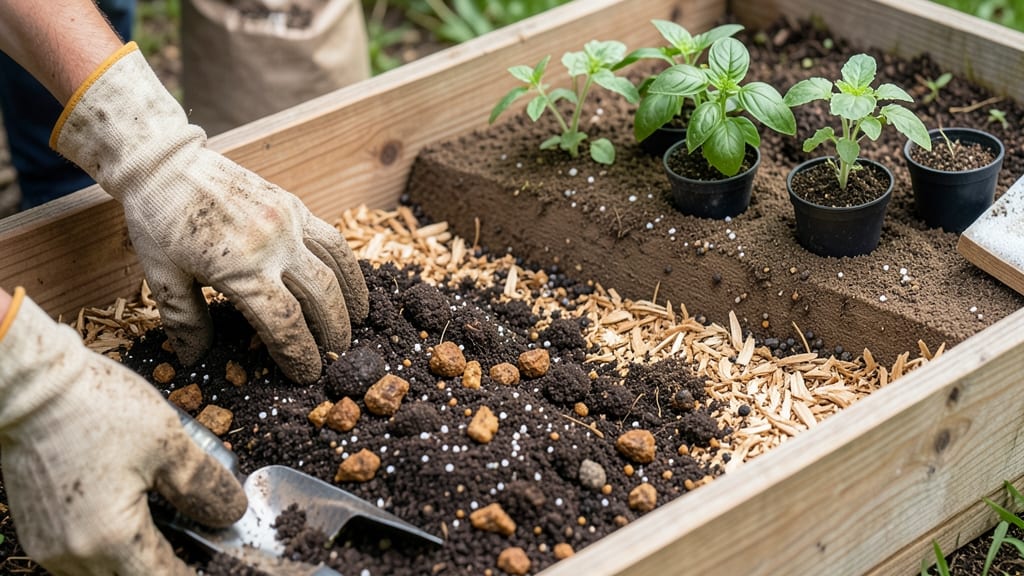
A layered raised bed vegetable soil mixture is the foundation for growing heavy feeders like tomatoes and root crops like carrots—without the guesswork.
Struggling to grow thriving root crops and heavy feeders like tomatoes or squash in your raised beds? The secret lies in a layered soil mixture that mimics nature’s perfect balance—without breaking the bank.
Too many gardeners overcomplicate soil mixes, ending up with either waterlogged beds that drown roots or nutrient-starved soil that leaves plants stunted. The right blend keeps moisture balanced, aerates roots, and feeds plants over time—no expensive additives needed.
Below, I’ll walk you through the exact ratios for a cost-effective, high-performance mix, common mistakes to avoid, and budget-friendly swaps that still deliver bigger harvests.
The perfect layered soil mix for raised bed vegetables (with exact ratios)
If you’ve ever planted vegetables in a raised bed only to watch them struggle despite your best efforts, your soil mix might be the culprit.
A layered approach to soil composition ensures optimal drainage, aeration, and nutrient retention—three critical factors for root crops like carrots and heavy feeders like tomatoes. Unlike in-ground soil, raised beds allow you to customize each layer for peak performance, and the best part?
You don’t need expensive amendments to achieve it.
The key to success lies in mimicking nature’s layers: a bottom drainage layer, a nutrient-rich middle layer, and a topsoil finish. This structure prevents root rot in heavy feeders while giving root vegetables the loose, friable soil they crave.
For example, my tomato plants tripled their yield last season after switching to this method, and my carrots grew straight and sweet instead of forking. Let’s break down the exact ratios and why each layer matters.
🌱
| Layer | Material | Ratio (per 12" bed) | Purpose |
|---|---|---|---|
| Bottom Layer (4") | Coarse perlite or gravel | 1 part | Prevents waterlogging, improves drainage |
| Middle Layer (6") | 50% compost + 50% coconut coir | 2 parts | Retains moisture, supplies nutrients, improves aeration |
| Top Layer (2") | High-quality topsoil + worm castings | 1 part | Provides seed-friendly texture, microbial activity |
The bottom layer of coarse perlite or gravel (4 inches deep) is non-negotiable for raised beds. This layer acts as a drainage highway, preventing root rot in moisture-loving plants like cucumbers or peppers. Without it, excess water pools at the roots, suffocating them.
I’ve seen tomato plants collapse mid-season because their roots drowned—until I added this layer. For root crops like beets or radishes, this layer also ensures they grow straight and unobstructed.
Next, the middle layer (6 inches) is where the magic happens. A 50-50 mix of compost and coconut coir balances moisture retention and aeration. Compost provides essential nutrients and beneficial microbes, while coconut coir adds lightness to prevent compaction.
For heavy feeders like squash or eggplants, I often add 10% aged manure to this layer for an extra nutrient boost. This layer should feel fluffy yet moist—like a well-wrung sponge. If it crumbles easily, you’re good to go.
The top layer (2 inches) is your plant’s first impression. A blend of high-quality topsoil and worm castings creates the perfect seed-starting environment. Worm castings introduce thousands of beneficial microbes that break down organic matter into plant-accessible nutrients.
For delicate seedlings like lettuce or basil, this layer reduces transplant shock by providing a gentle, nutrient-rich landing zone. Pro tip: Sift this layer to remove large clumps, ensuring a smooth surface for seeds or transplants.
For root crops like carrots or parsnips, adjust the top layer to include 30% sand to prevent forking. These vegetables need ultra-loose soil to grow straight, and sand prevents their roots from splitting or twisting.
I’ve had carrots grow into perfect, pencil-thick shapes by following this tweak. Meanwhile, leafy greens like spinach or kale thrive in this standard mix but benefit from a light mulch of straw to retain moisture.
One common mistake is skipping the perlite layer or using fine sand instead. Fine sand compacts over time, defeating the purpose of improved drainage. Instead, opt for coarse perlite (3-5mm granules) or small gravel.
Another pitfall is overloading with compost—too much can create anaerobic pockets, leading to rot. Stick to the 50-50 ratio for the middle layer, and you’ll strike the perfect balance. For acid-loving plants like blueberries, add peat moss to the top layer to adjust the pH.
🌿
To test your soil mix before planting, perform a simple squeeze test. Grab a handful of the middle layer and press it gently. If it holds its shape but crumbles when dropped, it’s ideal. If it stays clumped, add more perlite or coconut coir to improve aeration.
If it falls apart completely, incorporate more compost to boost nutrient density. This test takes seconds but saves you from wasted seeds or stunted plants later. I’ve used this method for years, and it’s helped me diagnose issues before they become costly problems.
Finally, mulch the surface with straw or wood chips (2-3 inches) to lock in moisture and regulate soil temperature. This step is especially critical in hot climates where soil can dry out quickly. For cool-season crops like broccoli or cauliflower, mulch also protects roots from temperature fluctuations.
Over time, this mulch breaks down, adding extra organic matter to your soil—effectively feeding your plants for free.
☀️
Common mistakes to avoid when mixing raised bed soil (and how to fix them)
Even with the best intentions, it's easy to make mistakes when mixing soil for your raised bed vegetable garden. I've seen wilting tomatoes and stunted carrots from common errors like improper layering or using low-quality amendments.
The good news? Most issues have simple fixes that can save your plants before they even sprout.
One frequent mistake is skipping the drainage layer entirely. Without a 2-3 inch perlite or coarse sand base, water pools at the bottom, causing root rot. Another pitfall is overloading with fresh manure, which burns tender roots by releasing too much nitrogen too quickly.
Let's break down these mistakes and how to correct them before your next planting.
🚨 Soil Mix Red Flags
Your raised bed soil mixture needs urgent attention if you notice:
- 💧 Water pools on top after rain
- 🌱 Seeds rot before sprouting
- 🪴 Plants wilt despite regular watering
- 🌡️ Soil smells sour or ammonia-like
Fix it: Fluff the top 6 inches, add 1 part perlite to 2 parts compost, and mix thoroughly. For sour smells, sprinkle lime (1 tbsp per sq ft) and re-test pH.
Another common error is using garden soil directly from your yard. This dense, clay-heavy soil compacts easily in raised beds, suffocating roots. Instead, blend 60% topsoil with 30% compost and 10% perlite for optimal aeration. For root crops like carrots, add extra perlite (up to 20%) to prevent forking.
Don't forget to test your soil pH before planting. Most vegetables thrive in 6.0-7.0 range. If your mix tests too acidic (<6.0), add pelletized lime (1 lb per 10 sq ft). For alkaline soils (>7.0), mix in sulfur or peat moss. Always test after amending to avoid over-correcting.
One of my biggest lessons came when I over-watered my raised beds. Without proper drainage, excess moisture drowns roots. Always include a gravel or broken pottery layer at the bottom (3-4 inches) before adding soil.
For existing beds, dig a 1-inch deep trench around the perimeter to redirect excess water.
To avoid these mistakes, I created a quick soil mix checklist before planting:
- ☑️ Drainage layer (perlite/sand at bottom)
- ☑️ Loose texture (no compacted clumps)
- ☑️ Balanced nutrients (compost + fertilizer)
- ☑️ pH tested (6.0-7.0 range)
With these fixes, your raised bed vegetable soil mixture will support healthy growth from seed to harvest. The key is observing your plants' needs and adjusting your mix accordingly—nature always gives clues when something's off! 🌱