
How To
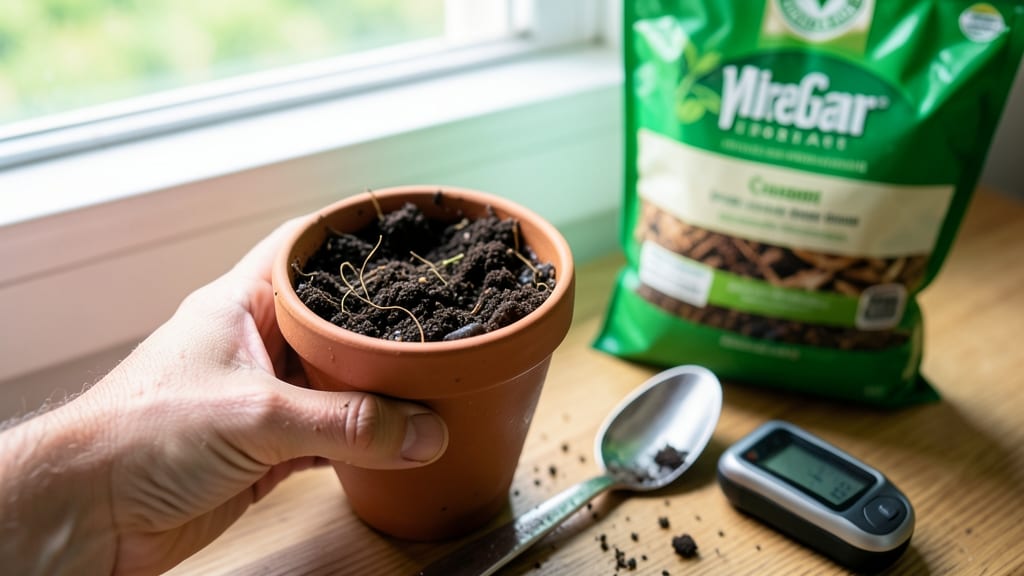
Potting soil meaning involves a specially engineered growing medium tailored for container gardening, combining organic materials, balanced nutrients, and controlled moisture to foster strong root systems and thriving plants in confined spaces.
This growing medium stands out from regular garden soil because it's sterilized to prevent disease and packed with ingredients like peat moss or coconut coir to improve aeration and drainage. 🌱 Unlike outdoor soil, which can become compacted or harbor pests, potting mixes are designed to stay loose and nutrient-rich, giving plants the perfect environment to grow even when space is limited.
The right blend can make all the difference for everything from delicate herbs to heavy bloomers.
For example, a mix with extra perlite works well for succulents that need fast drainage, while flowering plants often thrive in blends rich in compost. Many gardeners also customize their mixes by adding worm castings or slow-release fertilizers to match specific plant needs.
The key is understanding how each ingredient contributes to the overall health of your container garden.
💡 In This Article
- How Potting Soil Differs from Garden Soil
- Choosing the Right Potting Mix for Your Plants
How potting soil differs from garden soil
Potting soil is engineered to solve the unique challenges of container gardening, starting with its sterilization process. Unlike garden soil, which naturally contains weeds, pathogens, and pests from years of outdoor exposure, potting mixes undergo heat treatment to eliminate harmful organisms.
This is critical because confined pots create ideal conditions for disease spread when pathogens are present. The sterilization also removes existing nutrients, forcing growers to rely on the carefully balanced additives in the mix.
The aeration in potting soil is another game-changer. Garden soil often compacts over time, especially when walked on or exposed to heavy rainfall, which restricts root growth. Potting mixes incorporate lightweight amendments like perlite or vermiculite (typically 10-20% of the mix) to create air pockets that roots can explore.
For example, a standard potting mix might contain 50% peat moss for moisture retention, 30% compost for nutrients, and 20% perlite for aeration - a ratio that's impossible to achieve in natural garden soil without manual intervention.
Moisture control is where potting soil truly shines in containers. Garden soil can become waterlogged or dry out unevenly, but potting mixes are formulated to maintain consistent moisture levels.
The organic components like coconut coir or compost absorb and release water gradually, while additives like sand or bark fines prevent compaction that would otherwise suffocate roots.
This balance is especially important for container plants, which have limited access to water sources and are more susceptible to drought stress or root rot.
The nutrient density also differs dramatically. Garden soil accumulates nutrients over years from decomposed plant matter and organic additions, but potting soil starts with a clean slate. That's why quality mixes include slow-release fertilizers or composted materials to provide immediate nutrition.
For instance, a bag of premium potting mix might contain 1-2% slow-release fertilizer by volume, compared to garden soil which might have 0.5% or less in a good year. This higher concentration supports vigorous growth in the limited space of containers.
Finally, the drainage characteristics make all the difference. Garden soil can be amended with sand or organic matter, but achieving the perfect drainage-to-retention ratio requires precise blending. Potting mixes strike this balance naturally, often incorporating ingredients like rice hulls or pine bark that create larger pores while still holding moisture.
This is particularly important for plants like ferns that need consistently moist roots, or succulents that require quick drainage - both would struggle in regular garden soil.
What most gardeners don't realize is how these differences translate to plant health. In containers, roots can't spread outward like in garden beds, so they rely entirely on the quality of the growing medium.
Poor potting soil leads to girdled roots that circle the pot (a condition called "pot-bound"), while quality mixes encourage outward root growth and better nutrient uptake. The right potting soil essentially becomes the plant's entire growing environment - there's no "ground" to fall back on when things go wrong.