
How To
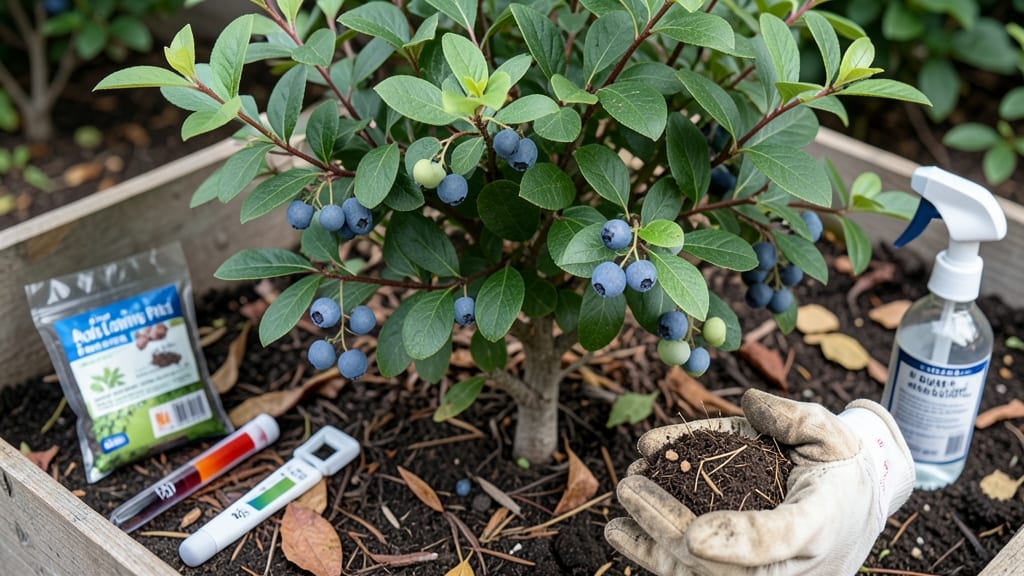
Your potting soil might be too acidic if your blueberries look wilted or your azaleas refuse to bloom—boosting pH fast doesn’t require fancy tools, just smart tweaks. 🌱 I’ve rescued dozens of acid-stressed plants by adjusting pH in under an hour, and the results speak for themselves: vibrant foliage, better nutrient uptake, and plants that thrive instead of struggle.
The fix starts with testing—most garden centers sell simple pH strips for under $5. If your soil reads below 6.0, it’s too acidic for most plants. The good news? Three household fixes—crushed eggshells, wood ash, or garden lime—can raise pH within days.
For acid-lovers like hydrangeas or gardenias, you’ll actually want to lower pH with pine needles or sulfur, but the principle stays the same: small adjustments make a huge difference.
Once you adjust the pH, your plants will show improvement in 2-4 weeks—new growth, brighter leaves, and stronger roots. The key is consistency: test again after a month to fine-tune, and you’ll avoid the frustration of plants that look healthy but refuse to grow.
This method works for containers, raised beds, or even in-ground soil, so you’re covered no matter where you garden.
Pro tip: If you’re growing acid-loving plants long-term, peat moss or pine bark in your potting mix will help maintain the right pH without constant fixes. And remember—too much lime can backfire, so start small and monitor. Your plants will thank you with lush, productive growth all season.
📚 In This Guide
- What you need
- Instructions
- Tips and common mistakes
- Wrapping up and next steps
What you need
- ● Lime (calcium carbonate or dolomitic lime): ½ to 1 cup per 5-gallon container of soil (adjust based on soil test results).
- ● Wood ash (untreated): ¼ to ½ cup per 5-gallon container. Note: Avoid if your soil is already alkaline!
- ● Elemental sulfur: 1 to 2 tablespoons per 5-gallon container (for minor pH adjustments).
- ● pH testing kit (digital or liquid): To measure current and adjusted pH levels accurately.
- ● Garden trowel or small shovel: For mixing amendments into the soil.
- ○ Gloves (optional but recommended): To protect your hands from dust and sharp materials.
- ● Peat moss or pine bark fines: 1–2 cups per container to improve drainage and buffer pH.
- ● Compost or worm castings: 1 cup per container to add nutrients and organic matter.
- ● Spray bottle (for liquid amendments): If using vinegar or citrus juice for minor adjustments.
- ● Old bucket or wheelbarrow: For mixing soil amendments safely and efficiently.
How to quickly adjust acidic potting soil for acid-loving plants
Here's my go-to method for balancing pH in just days—no lab tests required.
🌱 Step 1: Test Soil pH with a Simple Household Method
Fill a clean container with 2 cups of your potting soil and add 4 cups of distilled water. Stir thoroughly, then let it sit for 30 minutes. The color of the water will tell you what to do next: clear means neutral, yellowish means too acidic, and blue-green means alkaline. For a quick check, use a pH test strip—these cost under $5 and work instantly.
I know it feels weird to skip a soil test kit, but this water test works surprisingly well. If your soil smells sour or your acid-loving plants (like blueberries or azaleas) look yellow between veins, that's your sign to adjust. Don't wait until plants show stress—act now to prevent nutrient lockout.
💧 Step 2: Apply the Right Amendment Based on Your Test
For highly acidic soil (pH below 5.0), mix in 1 tablespoon of garden lime per gallon of soil. This raises pH gradually over 2-4 weeks. For moderately acidic soil (pH 5.0-5.5), use ½ tablespoon of dolomitic lime per gallon. Spread the lime evenly over the soil surface, then water lightly to help it settle.
Real talk: I've learned the hard way that quick fixes like sulfur or vinegar overshoot the mark. Lime works steadily, and you can always add more later. If your plants need immediate help, a balanced 10-10-10 fertilizer can mask pH issues temporarily while you adjust.
✂️ Step 3: Mix and Water for Even Distribution
Use a garden fork or trowel to work the lime into the top 6 inches of soil. This ensures roots get access to the amendment where they need it most. Water the pot thoroughly until water runs freely from the drainage holes—this helps dissolve the lime and prevents clumping.
Wait 7-10 days before replanting acid-loving species. You'll know it's working when new growth appears darker green and plants stop dropping leaves. For container plants, I replant after the first watering to avoid root disturbance from mixing.
☀️ Step 4: Monitor and Maintain pH Over Time
Check soil pH again in 4 weeks using the same water test. Most amendments need a second application to reach the ideal 4.5-5.5 pH range for acid-lovers. Keep a log of your adjustments—soil pH shifts naturally over time, especially in containers where nutrients wash out.
This is the moment that matters: if your plants still struggle after two adjustments, consider switching to a pre-mixed acidic potting mix for future plantings. The goal is consistent pH, not just a quick fix. I've had blueberry bushes thrive for years using this method—just be patient and persistent.
Tips & tricks for balancing acidic potting soil
Here's what I've learned after fixing too many struggling acid-loving plants—simple tricks that make all the difference.
Testing Accuracy: For the most reliable results in Step 1, use distilled water instead of tap water, which can alter pH readings. I've found that adding a pinch of baking soda to the water before testing helps neutralize any mineral interference from your local water supply. The 30-minute wait is crucial—don't rush it, or the color won't accurately reflect your soil's true pH.
Lime Application Strategy: When applying the lime in Step 2, sprinkle it lightly over the soil surface first, then gently scratch it into the top inch with a fork. This creates better contact with the soil particles than mixing it in all at once. For container plants, I like to divide the lime into two applications—half immediately and half after the first watering—to ensure even distribution throughout the root zone.
Monitoring Progress: In Step 4, don't rely solely on the 4-week test—check your plants' progress at the 2-week mark too. Look for new leaves that are darker green than the old ones, which means the pH adjustment is working. If you're still seeing yellowing, you may need to add another small amount of lime and water thoroughly. I keep a small notebook by my plants to track these changes.
Pro Tips for Potting Soil Acidic
- Here's what I've learned after fixing too many struggling acid-loving plants—simple tricks that make all the difference.
- Testing Accuracy: For the most reliable results in Step 1, use distilled water instead of tap water, which can alter ...
- Lime Application Strategy: When applying the lime in Step 2, sprinkle it lightly over the soil surface first, then ge...
Frequently asked questions
Got questions about acidic potting soil?
You’re not alone! Here are the most common concerns—and quick fixes—to keep your plants thriving.
Why does my potting soil turn acidic so fast?
Potting soil acidifies quickly because it lacks natural minerals and organic matter found in garden soil. Overwatering (especially with distilled or rainwater) also leaches nutrients, lowering pH. Pro tip: Mix in perlite or compost to buffer acidity and improve drainage!
Can I use vinegar to lower pH in potting soil?
No—vinegar (acetic acid) is too strong and can harm plants. Instead, use sulfur-based amendments (like aluminum sulfate) or peat moss to safely acidify soil. For a gentle fix, dilute citric acid (1 tsp per gallon of water) and water sparingly.
How often should I check and adjust pH in potting soil?
Test pH every 3–6 months for acid-loving plants (azaleas, blueberries) or once a year for others. Adjust only if pH strays below 5.5–6.5. Warning: Over-adjusting can harm roots—aim for gradual changes!
What’s a fast fix for acidic soil if my plants are wilting?
Flush the soil with calcium carbonate (lime) or wood ash (for mild acidity) to raise pH temporarily. For severe cases, repot with a 50/50 mix of fresh potting soil and perlite. Add a balanced fertilizer (like 10-10-10) to replenish nutrients.
Are there potting soil alternatives that stay neutral?
Yes! Opt for cactus/succulent mixes (alkaline-friendly) or blend orchid bark with perlite for neutral pH. For acid-lovers, use pine bark fines or sphagnum peat. Bonus: Coco coir is a sustainable, pH-stable option!
Wrapping up and next steps
Balancing the pH of your potting soil doesn’t have to be complicated—with just a few household fixes, you can create an ideal growing environment for your plants! 🌱 Whether you’re dealing with overly acidic soil or just want to optimize conditions, these simple steps will help your greenery thrive.
Now that you’re armed with the knowledge, grab those materials and get planting! Start small, monitor progress, and soon you’ll have a flourishing garden that’s the envy of the neighborhood.