
Neem Oil
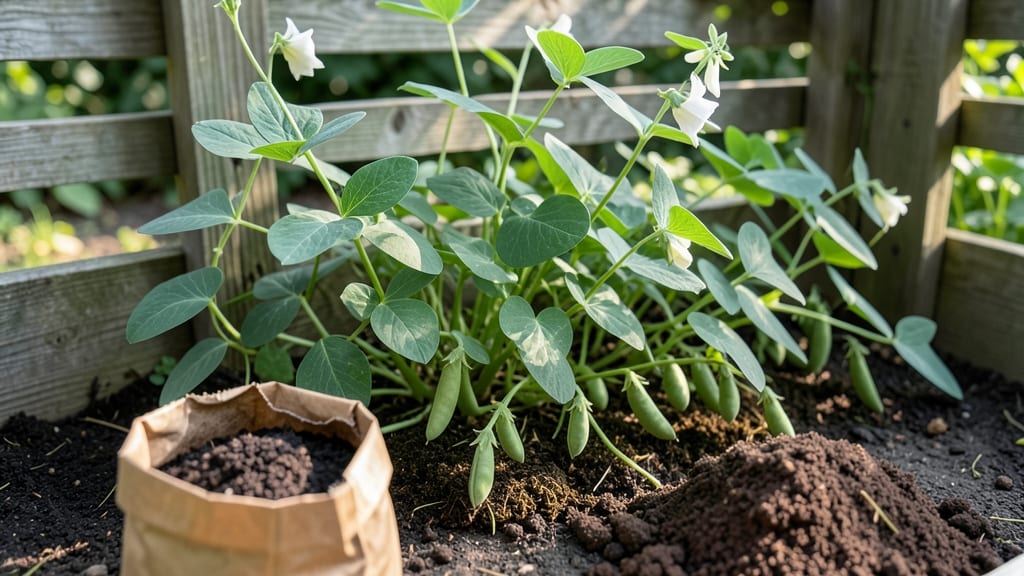
A peat soil mix transforms struggling neem oil plants into thriving powerhouses—lightweight, well-draining, and perfectly acidic for their needs. I’ve used this blend for years to grow neem trees from seed, and the difference in growth speed and pest resistance is dramatic.
The secret lies in balancing peat’s moisture retention with perlite or sand to prevent compaction, while adding compost ensures nutrients stay available without overwhelming delicate roots.
This mix isn’t just for neem plants—it’s ideal for seedlings, blueberries, azaleas, or any acid-loving species. Start with 70% peat moss, 20% perlite or coarse sand, and 10% worm castings or compost, then adjust based on your plant’s drainage needs.
For neem oil production, aim for a slightly sandy texture to mimic their natural habitat while retaining enough moisture to prevent stress. The result? Faster germination, stronger stems, and plants that resist fungal issues common in heavy soils.
Once mixed, this blend stays effective for 6-12 months if stored dry, but neem plants will reward you with healthier leaves and higher oil yields within weeks. The key is monitoring pH—neem trees thrive at 5.5-6.5, so test your mix and amend with sulfur if needed.
For sustainability, consider replacing 20% of the peat with coconut coir, which mimics its structure while being more renewable.
Use this mix in pots, raised beds, or seed-starting trays, and watch your plants respond. The lightweight texture reduces root rot while providing the airy conditions neem seedlings crave.
For long-term use, top-dress with compost annually to replenish nutrients without disrupting the blend’s structure. Your neem plants—and your garden’s pest control—will thank you.
📚 In This Guide
- What you need
- Instructions
- Tips and common mistakes
- Wrapping up and next steps
What you need
- ● Peat moss: 1 part (4-6 quarts per cubic foot of mix). Use sphagnum peat for best moisture retention.
- ● Perlite or vermiculite: 1 part (2-3 quarts per cubic foot). Perlite improves aeration; vermiculite adds moisture retention.
- ○ Coconut coir: 1 part (optional but recommended for sustainability). Helps balance moisture and structure.
- ● Compost or worm castings: ½ part (1-2 quarts per cubic foot). Boosts nutrients without compacting the mix.
- ● Neem cake or powder: 1 tsp per gallon of mix. A natural fungicide and nutrient booster for neem plants.
- ● Garden lime (calcium carbonate): ½ tsp per gallon. Adjusts pH to 6.0–7.0 (ideal for neem oil plants).
- ● Garden gloves (to protect your hands from peat and perlite dust).
- ● Large mixing container (a wheelbarrow or 5-gallon bucket works great).
- ● Measuring cups or scale (for precision—neem plants are picky!).
- ○ pH testing kit (optional but helpful for fine-tuning your mix).
- ○ Fine mesh sifter (optional, to remove clumps from peat moss).
- ● Watering can or spray bottle (for moistening the mix before use).
How to create a custom peat soil mix for neem oil plants
This lightweight blend gives neem oil plants the perfect balance of drainage and moisture retention.
Combine Peat Moss with Perlite for Structure
Start with 4 parts peat moss—this is your base ingredient, providing excellent moisture retention while keeping roots aerated. I like to use sphagnum peat moss specifically because it holds water without compacting. Add 1 part perlite (about ¼ the volume) to create air pockets that prevent root rot. Mix these two components thoroughly in a large container, breaking up any clumps in the peat moss with your hands.
This ratio ensures your neem oil plants won’t sit in soggy soil, which is critical for their health. Neem oil plants thrive in well-draining mixes, and this combination prevents waterlogging while still retaining enough moisture for steady growth. If you notice the mix feels too dense after mixing, add a little more perlite—just a handful at a time—to improve airflow.
Blend in Organic Matter for Nutrient Support
Add 2 parts compost (well-aged, not fresh) to the peat-perlite mix. This introduces essential nutrients like nitrogen, phosphorus, and potassium that neem oil plants need for strong foliage and healthy growth. I prefer worm castings for an extra boost of microbial activity, but regular compost works just fine. Mix everything together until the blend looks uniform and crumbly.
Neem oil plants are light feeders, so this organic matter provides a slow-release nutrient supply without risking over-fertilization. If your compost has large chunks, sift it first to avoid uneven distribution. The final texture should resemble a fine, fluffy soil—light enough to crumble between your fingers but still holding its shape when squeezed gently.
Adjust pH and Moisture for Optimal Growth
Neem oil plants prefer a slightly acidic to neutral soil pH, ideally between 6.0 and 7.0. Test your mix with a pH meter if possible—peat moss alone can be acidic, so you might need to add a small amount of dolomitic lime (about ½ teaspoon per gallon of mix) to balance it. Mix this in carefully, as too much lime can raise the pH too high.
Before using the mix, moisten it lightly with water until it feels like a damp sponge—just damp enough to hold together when pressed but not dripping. This ensures your neem oil plants won’t experience shock from dry soil when you transplant them. Store any leftover mix in a sealed container to preserve its moisture and structure for future use.
Use the Mix for Planting or Repotting
Fill your pots or garden beds with the prepared mix, leaving about 1 inch of space at the top for watering. For neem oil plants, I recommend using 6-inch pots for seedlings and 1-gallon containers for mature plants to allow room for root expansion. Gently press the soil around the base of the plant to eliminate air pockets, but avoid compacting it too tightly.
After planting, water the soil until it’s evenly moist throughout, but avoid overwatering. Neem oil plants are drought-tolerant once established, but they need consistent moisture during their early growth stages. Monitor the soil’s moisture level by sticking your finger 1 inch deep—if it feels dry, it’s time to water again. This mix will help prevent both underwatering and waterlogging, keeping your plants healthy and thriving.
Tips & tricks for perfect peat soil mix
Here's the thing about creating this ideal blend—it's all about balance. The right mix of ingredients transforms ordinary soil into a thriving environment for your neem oil plants. Let me share what I've learned after perfecting this recipe for years.
Ingredient Quality Matters: For the 4 parts peat moss, always choose sphagnum peat moss—it's the gold standard for moisture retention without compacting. I've found that lower-quality peat moss can break down too quickly, losing its structure within months. When measuring, use a large container and scoop the peat moss directly from the bag to avoid compression. This ensures you're getting the full 4 parts by volume, not weight. The perlite should be clean and white—any discoloration means it's old and less effective at improving drainage.
Texture is Everything: After mixing the 4 parts peat moss with 1 part perlite in Step 1, the blend should feel like a light, airy sponge. If it feels dense or clumpy, you're not using enough perlite. Think of it this way: your mix should resemble a fine, crumbly cake batter rather than wet sand. When you squeeze a handful, it should hold its shape but still allow air to pass through. This texture is what prevents root rot while maintaining moisture—critical for neem oil plants that need consistent but not soggy conditions.
Compost Consistency Check: In Step 2, when adding the 2 parts compost, sift it first if it has large chunks. I've seen beginners skip this step and end up with uneven distribution that creates nutrient hotspots. For best results, use compost that's been aged for at least 6 months—fresh compost can burn tender neem oil plant roots. The final mix should look uniform with no visible particles larger than a pea. This consistency ensures even nutrient distribution throughout the root zone, which is especially important for neem oil plants that are sensitive to sudden nutrient fluctuations.
pH Testing Tip: When adjusting the pH in Step 3, don't guess—test your mix. Peat moss alone often measures around 4.0 on the pH scale, which is too acidic for neem oil plants. The goal is between 6.0 and 7.0, so start with just a pinch of dolomitic lime (about ½ teaspoon per gallon) and test again after mixing. Too much lime can swing the pH in the opposite direction just as quickly. I keep a small pH meter handy specifically for this purpose—it's worth the investment when you're dealing with plants that are sensitive to soil chemistry.
Pro Tips for Peat Soil Mix
- Here's the thing about creating this ideal blend—it's all about balance. The right mix of ingredients transforms ordi...
- Ingredient Quality Matters: For the 4 parts peat moss, always choose sphagnum peat moss—it's the gold standard for mo...
- Texture is Everything: After mixing the 4 parts peat moss with 1 part perlite in Step 1, the blend should feel like a...
Frequently asked questions
Got questions about using a peat soil mix for your neem oil plants? You’re not alone!
Here are answers to the most common queries to help you grow with confidence.
What’s the best ratio of peat moss to other components for neem plants?
A balanced mix for neem oil plants typically includes 50% peat moss (for moisture retention), 30% perlite or vermiculite (for aeration), and 20% compost or coconut coir (for nutrients). Adjust slightly based on your climate—drier areas may need more perlite.
How long does it take for a peat soil mix to break down or lose effectiveness?
Peat moss itself doesn’t “break down” like organic matter, but its structure can compact over 1–2 years. To refresh, fluff the mix annually or blend in 10% fresh compost. If drainage slows, add more perlite or sand.
Can I use peat soil mix in hot climates without it drying out too fast?
Yes! Amend your mix with hydrogel crystals (5%) or coir fibers (20–30%) to boost water retention. Mulch the surface with straw or bark to reduce evaporation. Avoid pure peat—it dries out quickly in heat.
What’s a good alternative if I can’t find peat moss?
Try these substitutes for a similar lightweight, acidic blend:
- Coconut coir (sustainable, retains moisture well)
- Sphagnum moss (holds water better than peat)
- Composted pine bark (adds acidity and structure)
Why are my neem plants wilting even though the peat mix stays moist?
Wilting in peat-heavy mixes often signals root rot from poor drainage or nutrient lockout. Check for:
- Gummy, yellowing leaves = too much peat (add sand/perlite)
- Slow growth = lack of nutrients (top-dress with compost)
- Moldy smell = overwatering (let the top inch dry between waterings)
Wrapping up and next steps
Creating the perfect peat soil mix for your neem oil plants is all about balance—lightweight drainage, nutrient retention, and the right acidity to keep your plants thriving. 🌱 Whether you’re a seasoned gardener or just starting, this blend gives your neem trees the ideal foundation to grow strong and healthy.
Now that you’ve got the recipe and answers to common questions, it’s time to roll up your sleeves and grow with confidence!
Your Next Step:
- 🔥 Start small: Test the mix in a pot before committing to larger areas.
- 🌱 Monitor and adjust: Observe your neem plants’ progress and tweak the mix as needed.
- ✨ Share your success: Tag us in your garden updates—we’d love to see your thriving neem oil plants!