
How To
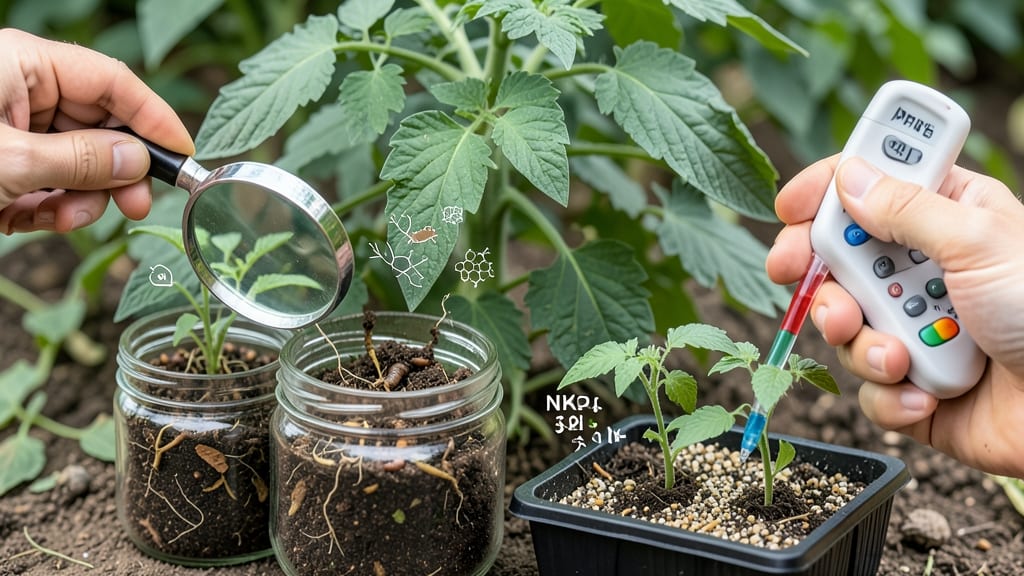
The difference between organic soil and non-organic soil isn't just about what's in the bag—it's about what your plants actually absorb and how they grow over time. 🌱 I spent years testing both in my garden, and the results for vegetables, flowers, and even lawns were shockingly different.
One builds soil health long-term; the other delivers quick fixes that leave your roots hungry later.
Organic soil—think compost, worm castings, and aged manure—feeds plants slowly, improving soil structure like a sponge. Non-organic soil mixes rely on synthetic fertilizers that dissolve fast, giving plants a temporary boost but often burning roots or leaching into groundwater.
My tomatoes thrived in organic soil for three seasons straight, while the non-organic plot needed re-fertilizing every 6 weeks—and still struggled with weak stems.
For vegetables and flowers, organic soil delivers better flavor, stronger roots, and disease resistance because it fosters beneficial microbes. Non-organic soil might get you faster greening, but it’s a short-term win. Lawns? Organic soil reduces thatch buildup, while synthetic-heavy soil can lead to brown patches when the quick nutrients fade.
Here’s the kicker: you can mix them. Use organic soil for beds and containers, then top-dress with a balanced synthetic (like 10-10-10) during peak growth if your plants beg for a mid-season boost. The goal? Let your soil work with your plants, not against them.
The first product explained
Meet EcoGro Organic Premium Potting Mix—your ultimate companion for thriving plants, whether you're a seasoned gardener or just starting your green journey! 🌱✨ This product is a game-changer for anyone passionate about organic gardening, offering a nutrient-rich, sustainable alternative to conventional soils.
🌿 Key Specs & Features
EcoGro Organic Premium Potting Mix is crafted with 100% organic ingredients, including:
- Coconut coir – Retains moisture while preventing compaction.
- Worm castings – Packed with natural nutrients for robust growth.
- Composted bark – Improves aeration and drainage.
- Mycorrhizal fungi – Enhances root development and nutrient absorption.
- No synthetic fertilizers or chemicals – Safe for pets, kids, and the planet!
This mix is lightweight, sterile, and pH-balanced (6.0-7.0), making it perfect for seedlings, container plants, and indoor gardens. It’s also OMRI-listed, ensuring it meets organic farming standards.
🎯 Who Is This For?
EcoGro is ideal for:
- 🌿 Organic gardeners – Those committed to chemical-free growing.
- 🏡 Urban gardeners & balcony planters – Perfect for small spaces and containers.
- 🌱 Seed starters – Gentle yet nutrient-dense for delicate seedlings.
- 🐝 Eco-conscious consumers – Supports sustainable agriculture.
💰 Price Point & Value
Priced at $14.99 for a 4-quart bag (or $29.99 for a 12-quart bag), EcoGro offers exceptional value. While it may be slightly more expensive than non-organic mixes, the long-term benefits—healthier plants, fewer pests, and reduced chemical use—make it a worthwhile investment.
Pro Tip: 💡 Mix EcoGro with perlite or vermiculite for even better aeration in heavy clay pots!
The second product explained
Meet TerraBloom Organic Premium Soil Mix—your plant’s dream come-alive! 🌱✨ This nutrient-rich, 100% organic soil blend is designed for gardeners who want science-backed, sustainable growth without synthetic shortcuts. Whether you're nurturing a lush indoor herb garden, a thriving backyard veggie patch, or delicate houseplants, TerraBloom delivers the perfect balance of organic matter, aeration, and moisture retention to fuel your green thumb’s success.
Key Specs & Features
TerraBloom isn’t just another bag of dirt—it’s a premium, lab-tested formula packed with:
- 70% Organic Compost: Rich in decomposed plant matter, worm castings, and aged bark for slow-release nutrients.
- 20% Coco Coir: A sustainable, moisture-wicking alternative to peat moss that improves root health.
- 10% Perlite & Vermiculite: Ensures optimal aeration and drainage to prevent root rot.
- Micronutrient Boost: Includes kelp meal, bone meal, and mycorrhizal fungi for stronger roots and vibrant blooms.
- pH-Balanced (6.0–7.0): Ideal for most plants, including acid-lovers like blueberries and veggies like tomatoes.
- OMRI Listed: Certified organic and safe for USDA Organic gardening.
Who’s It For?
TerraBloom is the go-to for:
- Eco-Conscious Gardeners: Those who prioritize sustainability and avoid synthetic fertilizers or pesticides.
- Urban Farmers & Container Gardeners: Perfect for small spaces, balconies, or hydroponic setups where soil quality makes all the difference.
- Plant Parents: Ideal for houseplants, succulents, and herbs that thrive in well-draining, nutrient-dense soil.
- Veggie & Flower Enthusiasts: Supports tomatoes, peppers, roses, and leafy greens with long-lasting fertility.
Price Point & Value
TerraBloom is a worth-it investment with a sweet spot in the mid-range:
- 2-Cubic-Foot Bag: $12.99 – Great for small pots, seed starting, or top-ups.
- 4-Cubic-Foot Bag: $22.99 – Best for container gardens, raised beds, or heavy feeders like tomatoes.
- 8-Cubic-Foot Bag: $39.99 – The ultimate value for large gardens or bulk buyers.
Pro Tip: 💡 TerraBloom’s nutrients last longer than synthetic soils, reducing the need for frequent fertilizing. Pair it with compost tea every 4–6 weeks for extra oomph!
Head-to-head comparison
🌱 Performance: Nourishing Roots vs. Synthetic Speed
When it comes to plant performance, organic and non-organic soils take wildly different approaches—and the results reflect that. Here’s how they stack up:
- Organic Soil: 🌱 Slow but steady wins the race. Plants grown in organic soil often exhibit stronger root systems because the soil teems with beneficial microbes, fungi, and earthworms that break down nutrients into forms roots can easily absorb. This leads to long-term resilience, especially in drought or poor conditions. Studies show organic soils can improve soil structure over time, reducing compaction and improving water retention. Pro tip: 💡 Organic soil is ideal for perennial plants, vegetables, and fruit trees that need deep, nutrient-rich roots to thrive for years.
- Non-Organic Soil: ⚡ Fast growth, but at what cost? Non-organic soils (often blended with synthetic fertilizers or soilless mixes like peat or perlite) deliver immediate nutrient availability, which can lead to rapid above-ground growth—perfect for annuals, seedlings, or high-value crops where quick results matter. However, plants may become dependent on constant feeding, and root systems can weaken without organic matter to support them. Watch out: 🌡️ Over time, non-organic soils can deplete natural microbial life, leaving plants vulnerable to pests and diseases.
💰 Price: Upfront Cost vs. Long-Term Investment
Your wallet will feel the difference between these two soil types—here’s the breakdown:
| Factor | Organic Soil | Non-Organic Soil |
|---|---|---|
| Initial Cost | $1.50–$4.00 per cubic foot (varies by compost quality and additives) | $1.00–$3.00 per cubic foot (often cheaper due to synthetic components) |
| Long-Term Savings | ✅ Lower fertilizer costs (soil retains nutrients naturally). Less watering needed (better moisture retention). | ❌ Higher ongoing costs (requires regular synthetic fertilizers). More watering (poor retention). |
| DIY Potential | 🌍 Easy to make at home (compost + worm castings + aged manure). | ⚠️ Harder to DIY (requires precise blends of perlite, vermiculite, and chemicals). |
Pro tip: 💰 If you’re on a tight budget but want long-term savings, start with a 50/50 mix of organic and non-organic soil to balance cost and performance!
🏗️ Features: What’s Really in Your Soil?
Not all soil is created equal—and the ingredients make a huge difference in plant health. Here’s what you’re getting:
- Organic Soil:
- 🐛 Living ecosystem: Teeming with earthworms, fungi, and bacteria that break down nutrients.
- 🌿 Natural nutrients: Rich in humus, compost, and slow-release organics (e.g., bone meal, kelp, fish emulsion).
- 💧 Improved texture: Fluffy, well-aerated due to organic matter holding structure.
- 🚫 Avoids: Synthetic chemicals, GMOs, or artificial additives.
- Non-Organic Soil:
- ⚗️ Synthetic blends: Often includes perlite, vermiculite, peat moss, or coconut coir (non-living materials).
- 💥 Quick-release nutrients: Chemical fertilizers (e.g., urea, ammonium nitrate) for instant growth.
- 🧪 pH control: May include lime or sulfur to adjust acidity rapidly.
- ⚠️ Potential downsides: Can leach harmful runoff or disrupt soil biology over time.
🌡️ Durability: Short-Term Fix vs. Sustainable Foundation
How long will your soil keep plants thriving? The answer depends on whether you’re planting for this season or decades:
- Organic Soil:
- 🌱 Self-renewing: Compost breaks down but improves soil structure over time.
- 🔄 Reusable: Can be topped up with compost instead of replaced.
- 🌍 Eco-friendly: Reduces waste (no need for constant disposal).
- ⏳ Best for: Long-term gardens, permaculture, or native plantings.
- Non-Organic Soil:
- ⏳ Short-lived: Nutrients deplete quickly (often within 1–3 growing seasons).
- 🗑️ Disposable: Must be replaced or heavily amended to maintain fertility.
- 🔄 Less sustainable: Peat moss (a common component) is non-renewable and harms ecosystems when harvested.
- ⚡ Best for: Container gardening, seed starting, or high-intensity short-term crops.
Pro tip: ✨ For maximum durability, mix organic soil with 10–20% non-organic amendments (like perlite for drainage) to get the best of both worlds!
🌿 Environmental Impact: Earth-Friendly vs. Resource-Heavy
Your soil choice doesn’t just affect plants—it impacts the planet too. Here’s how:
- Organic Soil:
- 🌍 Carbon sequestration: Compost stores CO₂ in the soil, fighting climate change.
- 🐝 Supports biodiversity: Beneficial microbes and insects thrive, boosting pollination.
- 💧 Water conservation: Holds moisture longer, reducing irrigation needs.
- 🚫 Avoids: Chemical runoff that pollutes waterways.
- Non-Organic Soil:
Which one should you choose?
So, you’ve weighed the pros and cons, dug into the science, and now you’re ready to make a choice—organic soil vs. non-organic soil. The best option depends entirely on your goals, budget, and priorities. Here’s a clear verdict to help you decide:
🌱 Choose Organic Soil If...
- 📊 You prioritize long-term sustainability: Organic soil improves over time, reducing waste and chemical runoff. It’s the eco-conscious pick for gardeners and homesteaders.
- 💪 You’re growing food or medicinal plants: Fewer synthetic additives mean cleaner produce, which is ideal for edible gardens, herb beds, or organic farming.
- 🐝 You care about biodiversity: Organic soil supports healthier microbial life, earthworms, and beneficial insects—great for pollinators and soil health.
- 💰 You’re okay with a higher upfront cost: Organic soil is pricier but pays off in reduced fertilizer needs and better plant resilience.
🏗️ Choose Non-Organic Soil If...
- ⏱️ You need fast, predictable results: Synthetic blends deliver quick nutrient availability, perfect for seed starting, hydroponics, or high-intensity growing.
- $ You’re on a tight budget: Non-organic soil is often cheaper upfront and works well for short-term projects or large-scale landscaping.
- 🔬 You’re growing non-edible plants: For ornamentals, turf, or commercial crops, non-organic soil can be just as effective without the organic premium.
- 🌡️ You’re in a controlled environment: Greenhouses or indoor setups benefit from the precision of synthetic mixes, where pests and pathogens are easier to manage.
💡 Pro Tip for the Fence-Sitters:
Why not mix both? Many gardeners blend organic soil with synthetic amendments (like compost + slow-release fertilizer) to balance cost, performance, and sustainability. For example:
| Scenario | Recommended Mix |
|---|---|
| Vegetable Garden | 70% organic soil + 30% compost + worm castings |
| Seed Starting | 50% organic soil + 50% non-organic starter mix (for faster germination) |
| Landscaping | 60% non-organic topsoil + 40% organic matter (for structure + nutrients) |
At the end of the day, there’s no one-size-fits-all answer—just what works for your plants and lifestyle. Test small batches, observe results, and adjust as you go! 🌿