
How To
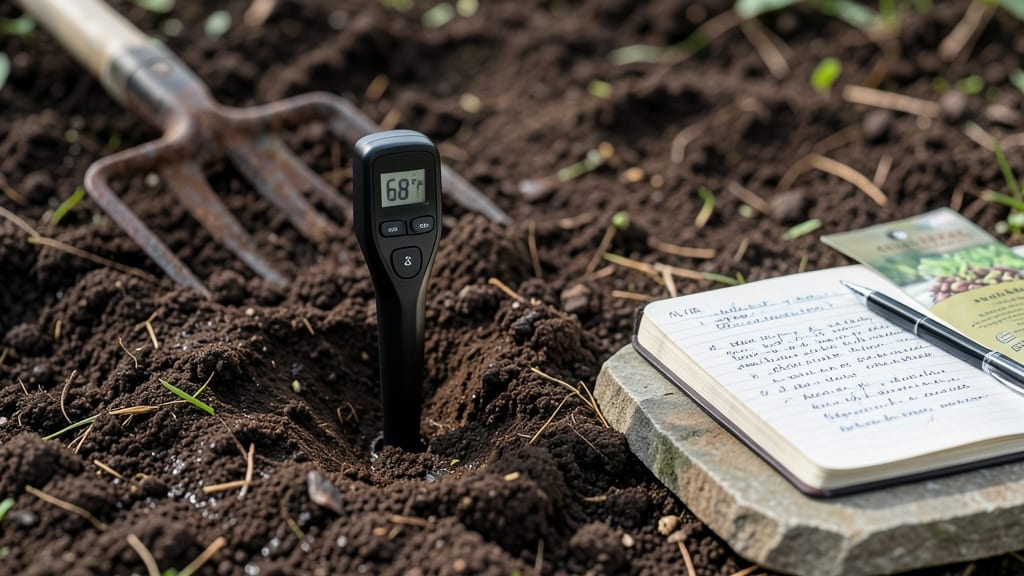
Your Illinois garden's success starts 60°F soil—that's the magic number for most spring plantings. 🌱 I spent years watching my tomatoes and peppers struggle until I learned to time everything by soil temperature, not just calendar dates.
Illinois' unpredictable spring weather makes this knowledge your secret weapon for perfect blooms and harvests. The key is understanding chill hours and soil warmth cycles. Most vegetables need soil between 50-85°F to thrive, while cool-season crops like spinach prefer 40-60°F.
My soil thermometer revealed why my lettuce bolted last spring—it was too warm too soon. Now I track daily temps and adjust planting schedules accordingly. You'll know you're doing it right when seedlings emerge strong and consistent, not in fits and starts.
Flowers like peonies and irises also respond dramatically to proper soil warmth, blooming more reliably when planted at the right temperature. The payoff? Gardens that outperform neighbors who guess at timing.
For Illinois gardeners, this means starting warm-season crops after May 15 (when soil typically hits 60°F) and cool-season crops by April 1 (when soil reaches 45°F). A simple soil thermometer makes all the difference—no more wasted seeds or stunted plants.
📚 In This Guide
- What you need
- Instructions
- Tips and common mistakes
- Wrapping up and next steps
What you need
- ● Soil thermometer: A digital or analog probe thermometer with a range of 32°F to 104°F (e.g., blank">ThermometerWorks or blank">AcuRite). 1 unit is sufficient for most gardens.
- ○ Notebook or digital tracker: A ruled notebook or spreadsheet app (Google Sheets/Excel) to log daily soil temps. Optional: Use a chill hour calculator like blank">Chill Hours Tracker.
- ● Garden markers: 3-5 biodegradable flags or stakes to mark monitoring spots in your garden beds.
- ● Gloves & knee pads: Garden gloves (nitrile or leather) and knee pads for comfort while working in the soil.
- ● Waterproof pen: 1 for outdoor note-taking (e.g., blank">Sharpie Ultra Fine).
- ● Weather-resistant container: A small plastic bin or waterproof pouch to store your thermometer and notes when not in use.
- ● Soil moisture meter: Helps correlate temp readings with moisture levels (e.g., blank">AcuRite combo kits).
- ● Weather station: For automated temp/moisture tracking (e.g., blank">Davis Instruments).
- ● Camera or phone: To document bloom stages alongside temp logs for pattern recognition.
- ● Local climate data: Download Illinois-specific historical soil temp charts from Midwestern Regional Climate Center for benchmarking.
How to track Illinois soil temperatures for optimal planting
Mastering soil temperature is the secret to unlocking perfect blooms in Illinois' unpredictable climate.
☀️ Step 1: Understand Illinois' Unique Chill Hour Requirements
Illinois spans multiple USDA hardiness zones (5 through 8), so chill hour needs vary dramatically. Fruit trees like apples require 800-1,200 chill hours below 45°F, while peaches need 500-700 hours. Perennials like tulips need 12-16 weeks below 40°F to bloom reliably. Northern Illinois (zones 5-6) typically accumulates chill hours earlier than southern regions (zones 7-8).
Here's the thing—chill hours aren't just about cold nights. Daytime temperatures matter too. For example, a 35°F night followed by a 55°F day counts as one chill hour, but 35°F all day counts as two. This is why your neighbor's yard might bloom weeks before yours, even with the same plants.
🌱 Step 2: Use a Soil Thermometer for Precise Planting Timing
Invest in a digital soil thermometer that measures down to 4 inches deep—this is where root activity really begins. Check temperatures at 8 AM and 4 PM daily during spring transitions. For cool-season crops like broccoli and spinach, wait until soil reaches 40°F consistently before planting. Warm-season crops like tomatoes need soil above 60°F to germinate properly.
I always plant my first asparagus crowns when soil hits 50°F—any earlier and the roots won't establish before summer heat arrives. The key is consistency: check for 3 consecutive days above your target temperature before committing to planting. Pro tip: Place your thermometer in full sun for accurate readings—shaded soil stays cooler and gives false signals.
⏰ Step 3: Calculate Chill Hours Using a Simple Tracking Method
Start tracking chill hours in late September when temperatures begin dropping consistently. Use a spreadsheet or garden journal to record daily lows. For each day below 45°F, subtract the temperature from 45 to get your chill hour count (e.g., 35°F night = 10 chill hours). Most fruit trees need 500-1,000 hours total—track until you hit this threshold.
Here's where it gets practical: Illinois' chill hours often come in two waves. The first wave hits in November-December, then a second wave in January-February after polar vortices. I've seen apple trees bloom perfectly in northern Illinois but fail in southern counties because they didn't get enough cumulative chill. This is why local extension offices publish annual chill hour reports—use them as a baseline but verify with your own data.
🌿 Step 4: Adjust Planting Based on Microclimates
Illinois' topography creates dramatic microclimates. South-facing slopes warm 5-10°F faster than north-facing areas. Valley bottoms stay cooler longer, while hilltops can be 15°F warmer during the day. Test multiple locations with your soil thermometer before committing to large plantings. For example, I plant peonies 2 weeks earlier on my south-facing slope than in the shaded garden bed.
Water retention also affects temperature. Sandy soils in northern Illinois warm up 30% faster than clay soils in southern regions. Amend heavy soils with compost and sand to improve drainage and temperature regulation. The goal is to create planting zones where soil temperatures match your plants' needs—not just follow general guidelines. This is how you achieve those "perfect" blooms the title promises.
✂️ Step 5: Time Pruning and Fertilizing Based on Soil Warmth
Never prune spring-blooming shrubs like lilacs until after they've finished flowering—this ensures next year's buds form properly. Wait until soil reaches 55°F before applying nitrogen fertilizer, as cooler soils slow microbial activity and reduce nutrient availability. For lawns, hold off on spring aeration until soil temperatures exceed 50°F consistently—any earlier and you'll compact the soil further.
This is the moment that matters: When soil hits 60°F, that's your signal to plant warm-season vegetables and apply pre-emergent herbicides. I've learned the hard way that rushing these steps leads to stunted growth or chemical ineffectiveness. Use a soil thermometer probe to verify temperatures at planting depth—surface temperatures can be misleading by 10°F or more.
Tips & tricks for mastering Illinois soil temperature tracking
These precision-focused strategies will help you turn soil temperature data into perfect bloom timing every season.
Chill Hour Calculation Nuance: The 45°F threshold isn't just about nighttime lows—daytime temperatures modify the count. For example, a 35°F night with a 55°F day counts as one chill hour, but 35°F all day counts as two. This explains why some yards bloom weeks earlier than others with identical plants. I've seen apple trees in northern Illinois thrive with 1,200 chill hours while southern counties struggle at 800 hours—the difference comes from these subtle temperature interactions.
Equipment Precision: That 4-inch depth reading is critical because root activity begins there. I've ruined multiple plantings by trusting surface temperatures—shaded areas can be 10°F cooler than full sun. For consistent results, use a digital probe and check at 8 AM and 4 PM during spring transitions. The 50°F threshold for asparagus planting is non-negotiable—roots won't establish properly in cooler soil, even if air temperatures suggest otherwise.
Microclimate Mapping: Illinois' topography creates dramatic temperature variations. South-facing slopes warm 5-10°F faster than north-facing areas, while hilltops can be 15°F warmer than valley bottoms. I test multiple locations before planting—peonies go in 2 weeks earlier on my south-facing slope than in shaded beds. This microclimate awareness is how you achieve those "perfect" blooms the title promises, even with the same plants and soil types.
Pro Tips for Illinois Soil Temperature
- These precision-focused strategies will help you turn soil temperature data into perfect bloom timing every season.
- Chill Hour Calculation Nuance: The 45°F threshold isn't just about nighttime lows—daytime temperatures modify the count.
- Equipment Precision: That 4-inch depth reading is critical because root activity begins there.
Frequently asked questions
Got questions about tracking Illinois soil temperature and its impact on gardening? You’re not alone! Here are answers to the most common queries—so you can plan like a pro and keep your plants thriving.
What’s the ideal soil temperature for planting in Illinois?
The sweet spot for most cool-season crops (like lettuce or peas) is 45–55°F, while warm-season plants (tomatoes, peppers) need 60–70°F. Use a soil thermometer to check before planting—especially in spring/fall when temps fluctuate!
How do I track chill hours for fruit trees in Illinois?
Chill hours (below 45°F) trigger blooming. Use a digital soil thermometer or weather station to log temps daily. Illinois’ Zone 5–6 regions need 500–1,000 chill hours—check your county’s USDA Plant Hardiness Zone for specifics!
Can I adjust soil temperature if it’s too cold/hot for planting?
Yes! For cold soil, use black plastic mulch or row covers to warm it faster. For overheated soil, shade cloth or drip irrigation helps. Raised beds also warm up quicker—perfect for extending your growing season in Illinois’ unpredictable climate!
Why are my seeds not germinating despite “correct” soil temps?
Check moisture (dry soil = no germination!) and depth (too deep = weak sprouts). Some seeds (like peas) need consistent temps—avoid planting during heatwaves or frost warnings. A seedling heat mat can help in early spring!
When should I start monitoring soil temps in Illinois?
Begin 4–6 weeks before your last frost date (check local forecasts—Illinois ranges from April to May). For fall crops, monitor in August–September to time planting before the first frost (October–November).
Wrapping up and next steps
Understanding Illinois soil temperature is your secret weapon for thriving plants and bountiful blooms! 🌱 Whether you're tracking chill hours for fruit trees or optimizing spring planting, warm soil and precise timing make all the difference.
With the right tools—like a soil thermometer or local weather data—you’re already ahead of the game.
Ready to take the next step? Experiment with microclimates in your garden or adjust planting schedules based on your observations. Every gardener’s journey starts with curiosity—so grab your notebook, get your hands dirty, and watch your green thumb grow! 🌟