
Blooming
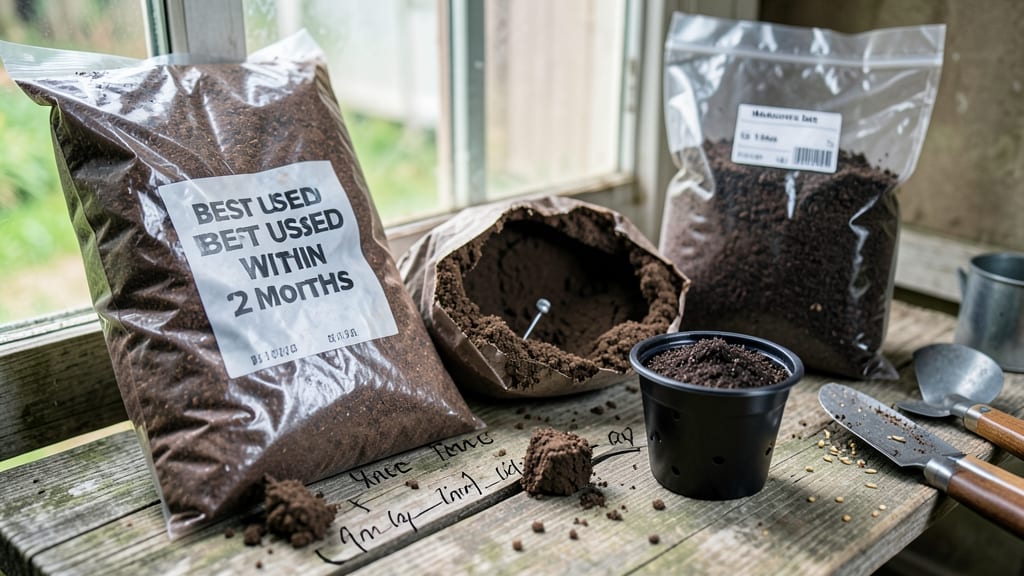
Bagged soil lasts 1-3 years when stored properly in a cool, dry place, but its nutrient potency fades significantly after 6-12 months. Over time, organic components degrade, moisture evaporates, and microbial activity weakens, making it less effective for healthy plant growth.
Understanding how long soil stays viable depends on its composition—potting mixes with peat moss or coconut coir hold up better than garden soils with high organic content. 🌱 The breakdown process starts immediately after opening, as oxygen exposure accelerates microbial activity that consumes nutrients.
I've noticed that sealed bags with oxygen absorbers can extend freshness by up to 6 months, but even then, the soil's fertility diminishes over time. For serious gardeners, refreshing old soil with compost or a balanced fertilizer can restore some lost nutrients before replanting.
Moisture plays a critical role too: overly dry soil becomes dusty and loses structure, while damp soil risks mold growth. The ideal storage spot is a garage or shed with stable temperatures—never a hot attic or damp basement.
If you're unsure whether your soil is still good, do a simple test: squeeze a handful—if it crumbles easily or smells sour, it's past its prime.
💡 In This Article
- How Soil Degrades Over Time in Storage
- Best Practices to Extend Bagged Soil Freshness
How soil degrades over time in storage
Soil in a bag doesn't just sit idle—it's a living ecosystem where microbes and organic matter actively break down. The decomposition process begins the moment oxygen enters the bag after opening. Microorganisms consume organic materials like compost and peat moss, converting them into simpler compounds.
This microbial activity peaks during the first 3-6 months of storage, where up to 30% of available nutrients can be lost if conditions aren't ideal. The texture becomes finer and more powdery as these organic structures degrade into basic elements.
Moisture plays a critical role in this breakdown. Bagged soil typically contains 20-40% moisture at purchase, but this evaporates over time. In dry climates or improper storage, soil can lose 50% of its moisture content within 12 months, turning it into a dusty, lifeless medium.
Conversely, excess moisture creates anaerobic conditions that promote mold growth and foul odors. The ideal moisture balance for long-term storage sits around 10-15% water content, which maintains microbial activity without encouraging harmful pathogens.
Different soil types degrade at different rates. Potting mixes with peat moss or coconut coir last longer (up to 3 years) because these materials resist decomposition better than fresh compost.
Garden soils with high organic content break down faster—sometimes within 6-12 months—as their nutrients are more readily available to microbes. The presence of additives like perlite or vermiculite helps maintain structure, but they don't prevent nutrient loss.
What most people don't realize is that even "sterile" potting soils contain beneficial microbes that gradually die off without fresh organic inputs.
Nutrient leaching is another silent killer. Essential elements like nitrogen, phosphorus, and potassium become less available as they're either consumed by microbes or washed out during moisture fluctuations. After 12 months, many bagged soils show 40-60% reduction in available nitrogen, which is crucial for plant growth.
This is why seedlings planted in older soil often struggle—even if the soil looks fine, its biological activity has diminished significantly. The visual cues (color, texture) don't always match the soil's actual fertility.
Temperature accelerates this process dramatically. Soil stored above 75°F (like in a hot garage) can lose viability 2-3 times faster than soil kept at 50-60°F. The microbial activity increases exponentially with heat, while cold storage (40°F or below) slows decomposition but may also inhibit beneficial microbial growth.
This is why professional growers often store soil in climate-controlled environments—temperature control is just as important as moisture management for extending shelf life.
Consider this comparison: A 5-gallon bag of premium potting mix might cost $5-$8 but could lose $2-$3 worth of nutrient value in just 6 months if stored improperly. The breakdown isn't linear—it accelerates after the first year as the remaining organic matter becomes more vulnerable.
This is why many garden centers recommend using soil within 6-12 months of purchase, even if the bag hasn't been opened yet.