
Neem Oil
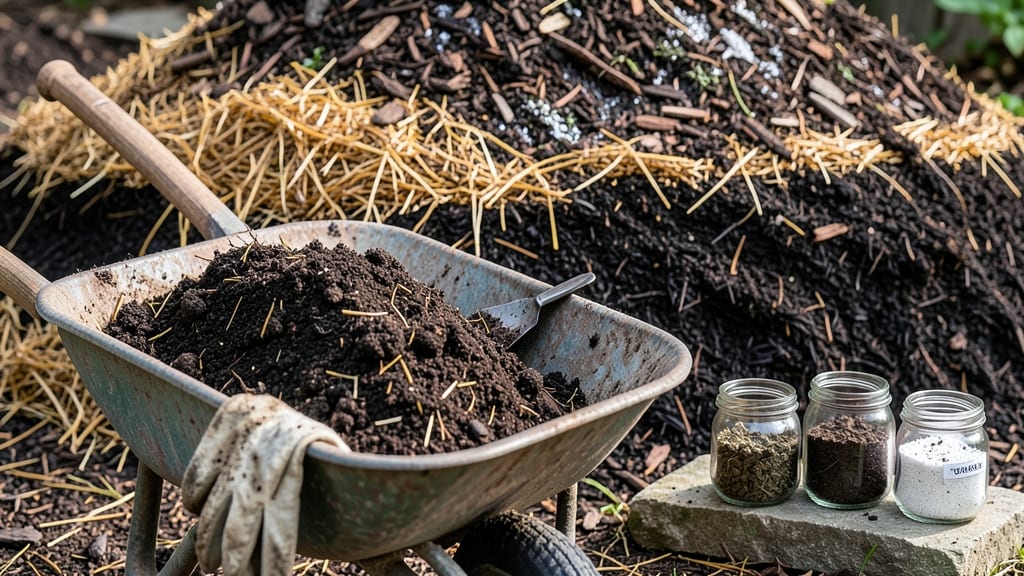
Creating a homemade soil mix with neem oil is the game-changer I wish I’d known years ago. 🌱 This blend doesn’t just feed plants—it builds resilience against pests and diseases while keeping your wallet happy.
The secret lies in balancing organic matter, texture, and a natural boost from neem’s antifungal properties.
Start with equal parts compost (for nutrients), coconut coir or peat moss (for moisture retention), and perlite or coarse sand (for drainage). Add 1 teaspoon of neem oil per gallon of mix—it’s the difference between thriving plants and fighting problems later.
For vegetables, lean heavier on compost; for succulents, boost the perlite. Sterilize your mix by baking it at 200°F for 30 minutes to kill weeds and pathogens.
What you’ll end up with is a customizable, cost-effective growing medium that outperforms store-bought bags. Your tomatoes will taste sweeter, your flowers will bloom longer, and you’ll never need chemical fertilizers again. The mix stays fresh for up to a year if stored in a dry, sealed container.
This recipe scales from a single pot to raised beds—just adjust quantities. For container gardens, reduce the perlite slightly to retain moisture. And here’s the best part: every batch is tailored to your plants, not a one-size-fits-all formula. Ready to mix your first batch?
📚 In This Guide
- What you need
- Instructions
- Tips and common mistakes
- Wrapping up and next steps
What you need
- ● Coco coir (pearls or bricks) – 2 parts (expands to ~10 cups when rehydrated; buy pre-expanded or soak bricks in water for 10+ mins)
- ● Perlite or vermiculite – 1 part (1–2 cups; perlite for aeration, vermiculite for moisture retention)
- ● Worm castings – 1 part (2–3 cups; the "black gold" of soil amendments)
- ● Neem oil (organic, cold-pressed) – 1 tbsp per gallon of mix (for antifungal/fungal properties)
- ● Water – Enough to moisten the mix (avoid oversaturating!)
- ● 5-gallon bucket or large mixing bin (for blending)
- ● Garden gloves (to keep hands clean and protected)
- ● Measuring cups/spoons (for precision)
- ○ Fine-mesh strainer or sifter (optional, to remove clumps)
- ● Spray bottle (for applying diluted neem oil post-mix)
- ○ pH testing kit (optional but helpful; aim for 6.0–7.0 for most plants)
- ● Biochar – ½ part (boosts microbial life; 1–2 cups)
- ● Compost – ½ part (homemade or store-bought; 1–2 cups)
- ● Mycorrhizal fungi – 1 tsp (enhances root growth)
- ● Hydrogen peroxide (3%) – 1 tsp per gallon (sterilizes the mix)
- ● Citric acid or Epsom salt – 1 tsp each (for micronutrient boost)
Step-by-step instructions for creating a neem oil-infused soil mix
Here's how to blend a nutrient-rich, disease-resistant soil mix that'll give your plants a serious growth boost.
🌱 Step 1: Gather and Measure Your Base Components
Start by combining 2 parts coconut coir, 2 parts compost, and 1 part perlite in a large mixing container. I like to use a wheelbarrow or sturdy plastic bin because this mix gets heavy when wet. The coconut coir provides excellent water retention while the perlite adds aeration—together they create the perfect balance for root development.
Sift the compost first to remove any large chunks or debris. You want a fine, crumbly texture that won't compact when watered. Mix these three components thoroughly until you see an even distribution of all materials. At this stage, your mix should look like dark, fluffy soil with visible perlite specks throughout.
🌿 Step 2: Add the Neem Oil Infusion
In a separate container, mix 1 tablespoon of cold-pressed neem oil with 1 quart of warm water. Stir gently but thoroughly—you want the oil to emulsify rather than separate. This neem solution acts as both a natural fungicide and growth stimulant. I like to let it sit for 10 minutes before adding it to the soil mix, which gives the oil time to fully integrate with the water.
Slowly pour this neem infusion over the dry soil components while stirring continuously. You'll notice the mix darken slightly and develop a fresh, earthy aroma. The neem oil will coat the soil particles, creating a protective barrier against common soil-borne pathogens. Keep mixing until the moisture is evenly distributed and the mix holds together when squeezed but doesn't feel soggy.
💧 Step 3: Incorporate Additional Nutrients
Now add 1 cup of worm castings and 1 tablespoon of liquid seaweed extract to the mix. The worm castings provide gentle, slow-release nutrients while the seaweed extract boosts microbial activity. I sprinkle these in small amounts while continuing to mix thoroughly—this prevents clumping and ensures even distribution throughout the entire batch.
For the final touch, incorporate 1 teaspoon of mycorrhizal fungi into the mix. These beneficial soil microbes form symbiotic relationships with plant roots, dramatically improving nutrient uptake. Work the mycorrhizal fungi into the center of your mix first, then fold in the edges to fully integrate everything. Your finished mix should smell rich and earthy with a faint neem aroma.
⏰ Step 4: Cure and Prepare for Use
Let your soil mix cure for 24-48 hours in a sealed container. This resting period allows the neem oil to fully penetrate the mix and for the microbial activity to stabilize. I place mine in a cool, dark corner of my garage where it won't dry out or get contaminated. After curing, give it one final thorough mix before using.
Your neem-infused soil mix is now ready to use! This recipe makes enough for 4 standard 5-gallon containers or 1 raised bed. The enhanced microbial activity means plants will establish faster and stay healthier throughout their growth cycle. For best results, use this mix within 2 weeks of preparation to maintain maximum potency.
Tips & tricks for perfect neem oil-infused soil mix
Here's what nobody tells you about making this mix shine—these are the little details that'll take your soil from good to plant-growth extraordinary.
Base Component Prep: Before mixing your 2 parts coconut coir, 2 parts compost, and 1 part perlite, give each component its own quick prep. Break up any coconut coir clumps with your hands—they should feel like damp, shredded paper. For the compost, sift it twice if needed to eliminate any rocks or twigs that could irritate plant roots. This extra step prevents compaction issues later, ensuring your mix stays light and airy just like it should.
Neem Oil Emulsification: Don't just stir that 1 tablespoon of cold-pressed neem oil into 1 quart of warm water—actually let it sit for those full 10 minutes before adding it to your mix. This gives the oil time to fully break down and create a stable emulsion. I like to use a small whisk or fork to gently stir the mixture every couple of minutes during this waiting period, which helps prevent separation. The result? A much more effective fungicide that coats every soil particle evenly.
Layering Your Nutrients: When you're adding the 1 cup of worm castings and 1 tablespoon of liquid seaweed extract, think of it like making a layered cake. Sprinkle the worm castings in small amounts over the surface of your mix first, then gently fold them in. Then add the seaweed extract in a similar fashion—this prevents clumping and ensures even distribution. The mycorrhizal fungi should go in last, worked into the center first, then folded into the edges. This method creates a more uniform mix that'll perform better for your plants.
Curing Wisdom: That 24-48 hour curing period isn't just about waiting—it's about creating the perfect environment. Place your sealed container in a spot where the temperature stays between 65-75°F. Too hot and the neem oil might degrade faster; too cold and the microbial activity slows down. I've found that a cool, dark corner of my garage works perfectly. After curing, give it one final mix to redistribute any settled materials before using—this ensures every shovel of soil delivers maximum benefits to your plants.
Pro Tips for Homemade Soil Mix
- Here's what nobody tells you about making this mix shine—these are the little details that'll take your soil from good to plant-growth extraordinary.
- Base Component Prep: Before mixing your 2 parts coconut coir, 2 parts compost, and 1 part perlite, give each component its own quick prep.
- Neem Oil Emulsification: Don't just stir that 1 tablespoon of cold-pressed neem oil into 1 quart of warm water—actually let it sit for those full 10 minutes before adding it to your mix.
Frequently asked questions
Got questions about crafting your own neem oil-infused soil mix? Here are some of the most common concerns—and their answers—to help you grow with confidence!
How long does homemade soil mix last before it degrades?
A well-balanced homemade soil mix (with neem oil) typically stays fresh for 6–12 months if stored properly in a sealed container. Neem oil’s natural antimicrobial properties slow spoilage, but moisture and pests can speed up degradation. For longer shelf life, add a thin layer of sand or perlite to the top to deter mold.
Can I make this mix ahead of time, or should I prepare it fresh?
You can absolutely prep your mix in advance! Store it in a dry, airtight container (like a plastic bin with a lid) away from direct sunlight. If using neem oil, add it just before planting to preserve its potency. For compost or organic matter, let it sit for a few days to "activate" before use.
Is a homemade mix cheaper than buying potting soil?
Yes—if you source materials locally! A 5-gallon batch costs roughly $5–$10 (vs. $6–$12 for store-bought potting soil). Over time, you’ll save money, especially if you reuse containers or compost kitchen scraps. Just weigh the cost of your time against convenience!
What if my plants aren’t thriving after using this mix?
First, check for overwatering (root rot) or underwatering (dry, crumbly soil). Neem oil can be too strong if overused—dilute it to 1 tsp per gallon of water. Also, ensure your mix has good drainage (add perlite or vermiculite if needed). If issues persist, test soil pH (ideal: 6.0–7.0 for most plants).
How do I prevent mold or fungus in my homemade soil?
Mold thrives in damp, compacted soil. To prevent it:
- Use sterilized materials (bake garden soil at 200°F for 30 mins if repurposing).
- Add 1 part perlite for every 3 parts soil to improve airflow.
- Store in a cool, dry place (not the garage or basement).
- Sprinkle a thin layer of cinnamon (natural antifungal) on top before sealing.
Wrapping up and next steps
Creating your own neem oil-infused homemade soil mix is a game-changer for your plants—whether you're a seasoned gardener or just starting out! 🌱 With the right balance of organic materials and natural pest control, you’ll give your greens a nutrient-rich foundation that’s far more cost-effective and eco-friendly than store-bought alternatives.
Now that you’ve got the recipe and tips down, roll up your sleeves and get mixing! Start small with a single pot or garden bed, observe how your plants thrive, and soon you’ll be confidently crafting the perfect blend for every type of plant. Happy gardening! 🌿