
How To
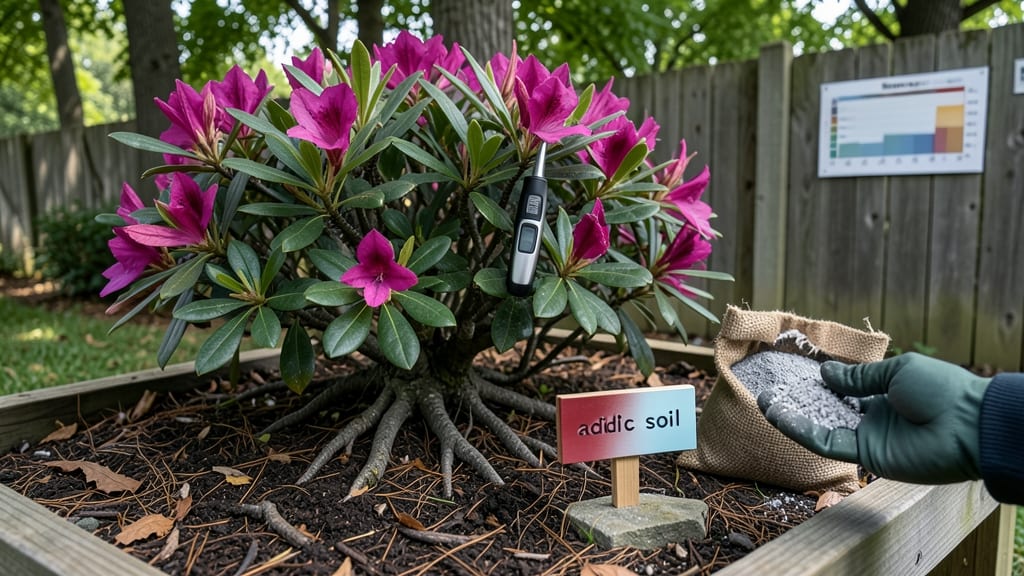
Wood ash does not make soil acidic—it actually increases soil pH by neutralizing acidity, creating more alkaline conditions. While it provides potassium and calcium that help balance overly acidic soils, excessive use can make the soil too alkaline for acid-loving plants like blueberries or hydrangeas.
Wood ash has a naturally alkaline pH between 10.0 and 12.0, which is why it counteracts acidity in garden beds. 🌱 When mixed into soil, the potassium and calcium in ash react with hydrogen ions, effectively raising the pH level.
This process is particularly helpful for soils with a pH below 6.5, where many vegetables and flowers struggle to thrive. However, the key is moderation—too much ash can create a harsh environment that repels beneficial microbes and stresses plants that prefer slightly acidic conditions.
For best results, I recommend testing your soil's pH before applying ash and sticking to a 1–2 pound application per 100 square feet for most gardens. This small amount provides the benefits without risking over-alkalization. If you're growing acid-loving plants, consider alternatives like elemental sulfur or composted pine needles instead.
💡 In This Article
- How Wood Ash Affects Soil pH Chemistry
- When and How to Use Wood Ash in Gardens
How wood ash affects soil pH chemistry
Wood ash isn't acidic—it's one of the most alkaline garden amendments you can use, with a pH range of 10.0–12.0. This extreme alkalinity comes from its high concentrations of potassium oxide and calcium carbonate, which react chemically with acidic compounds in soil.
When ash dissolves in water, these minerals break down into potassium (K⁺) and calcium (Ca²⁺) ions, which then exchange with hydrogen (H⁺) and aluminum (Al³⁺) ions in acidic soils. This ion exchange neutralizes acidity by removing harmful H⁺ ions that stunt plant growth. 🌱
The process works like a natural buffer system. For example, if your soil pH is 5.5 (highly acidic), applying wood ash will raise it toward neutral (7.0) by binding with excess H⁺ ions.
This is particularly beneficial for soils with high organic matter or those amended with sulfur, which can make conditions too acidic for many vegetables. The calcium in ash also helps improve soil structure by flocculating clay particles, creating better aeration and drainage.
However, this buffering effect has limits—once soil pH reaches around 7.5–8.0, further ash applications will have diminishing returns.
What makes this chemistry fascinating is how plant roots respond differently based on soil pH. Acid-loving plants like blueberries and azaleas need pH 4.5–5.5 to absorb aluminum and manganese, which they require for growth.
But when wood ash raises pH above 6.0, these nutrients become locked away in the soil, causing deficiency symptoms like yellowing leaves or stunted growth. Conversely, vegetables like tomatoes and peppers thrive in slightly alkaline conditions (6.0–7.0) and benefit from the potassium boost that ash provides. 🌿
There's also a microbial dimension to consider. Beneficial soil bacteria and fungi often prefer slightly acidic to neutral pH ranges. While wood ash can temporarily disrupt these populations by raising pH too quickly, the long-term effects depend on how much you apply.
A light application (1 lb per 100 sq ft) will have minimal impact on soil microbes, but heavy applications can create conditions where harmful pathogens like certain fungi thrive.
This is why soil testing before application is crucial—it tells you exactly how much ash your specific soil can handle without causing imbalance.
The visual clues of over-alkalization are hard to miss. Plants suffering from excess ash might show brown leaf tips, curled leaves, or a general wilting appearance. In extreme cases, you might even see white crusts of calcium carbonate forming on the soil surface.
These signs indicate the soil pH has become too alkaline, which can also reduce the availability of micronutrients like iron and zinc. The key is understanding your soil's starting point and applying ash incrementally, with regular pH testing to monitor changes. 💡
One common misconception is that all wood ash behaves the same way. Hardwood ashes (like oak or maple) tend to have higher calcium content, while softwood ashes (like pine) contain more potassium. This means their pH-raising effects can vary slightly.
For example, oak ash might raise pH more aggressively than pine ash, which could be better suited for soils already near the alkaline end of the spectrum. Always check the wood source if you're collecting ash yourself—avoid treated wood or coal ashes, which can introduce toxic chemicals into your garden.
To put this into practical terms, imagine your garden soil as a large bucket of water. Adding wood ash is like dropping in a handful of baking soda—it will raise the pH until the water (soil solution) reaches equilibrium.
The difference is that soil has a natural buffering capacity, so the pH won't spike dramatically unless you add excessive amounts.
This is why gardeners often mix ash into the top 2–3 inches of soil rather than spreading it on the surface, allowing the minerals to gradually integrate without shocking the root zone. 🌱