
Advice
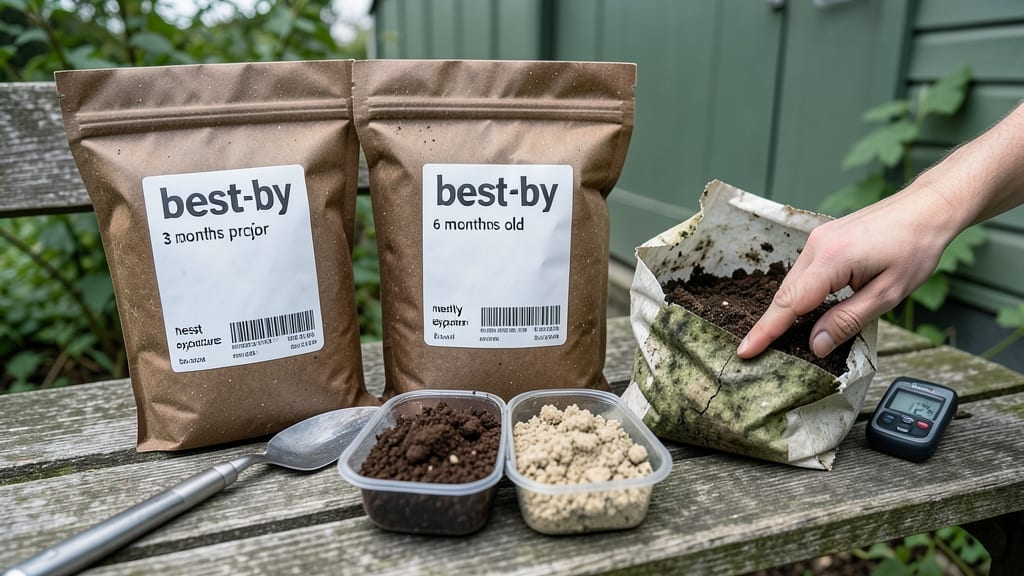
Yes, this soil in a bag does go bad over time, losing effectiveness within 6–12 months due to nutrient loss, compaction, and potential mold or weed seed contamination. Proper storage can extend its usability, but always inspect before planting.
Stored soil doesn't just sit idle—it undergoes chemical and physical changes that reduce its quality. 🌱 Over time, organic matter breaks down, releasing fewer nutrients for plants, while moisture loss causes clumping that disrupts root growth.
Even sealed bags can develop mold or unwanted seeds if exposed to heat or humidity. I've seen bags last longer when stored in a cool, dry place, but after a year, the soil's structure often becomes too dense for healthy plant development.
To maximize your soil's lifespan, keep it in a breathable container and avoid overwatering before sealing. If you're working with older soil, try fluffing it up with perlite or compost before replanting—this can revive its texture and fertility.
When in doubt, test the soil's moisture and smell: musty odors or hard clumps mean it's time for a fresh batch.
💡 In This Article
- How Soil Degrades in Storage and What Causes It
- Best Practices for Storing Potted Soil Long-Term
How soil degrades in storage and what causes it
Soil in a sealed bag undergoes a silent transformation driven by microbial activity and chemical reactions. Over time, organic matter like decomposed leaves and compost breaks down further, releasing nutrients into the air rather than holding them for plants.
This process, called mineralization, reduces the soil's fertility by 20-30% within just 3 months if stored improperly. The microbial population also shifts—beneficial bacteria decline while mold spores and weed seeds (like crabgrass) may take over, especially if the bag isn't completely sealed.
Moisture plays a critical role in this deterioration. A bag with 10-15% residual moisture (typical after purchase) can develop anaerobic pockets where harmful bacteria thrive, producing foul odors and even hydrogen sulfide gas.
Temperature accelerates this decay: storing soil at 80°F (common in garages) speeds up microbial activity 2-3x faster than at 50°F. The physical structure also suffers—clay particles bind tighter, creating dense clumps that strangle plant roots.
I've noticed bags stored in basements often develop a brick-like consistency after 12 months, making them unusable without amendment.
Oxygen deprivation is another hidden enemy. Most bags are only 80% airtight, allowing slow oxidation that alters the soil's pH. Over time, this can make the mix more acidic, harming sensitive plants like azaleas or blueberries that prefer pH 4.5-5.5.
The visual signs—dull grayish color instead of rich brown, visible mold spots, or a musty smell—are clear indicators the soil's ecosystem has shifted against your plants' needs. Even "sterilized" bagged soil isn't immune; gamma irradiation only kills pathogens, not the chemical breakdown process.
Light exposure worsens these problems. UV rays break down organic compounds faster, while heat from direct sunlight can bake the soil's surface, creating a crust that repels water.
I've seen bags stored in sunny windowsills develop a 1-inch hardened layer on top within 6 months, while the interior remains usable. This uneven degradation means you might waste half the bag trying to salvage the ruined top layer. The solution?
Store bags in opaque containers or wrap them in black plastic to block light entirely.
One surprising factor is the bag material itself. Most retail bags use low-density polyethylene (LDPE), which allows slow moisture loss but can trap gases. Over time, this creates a greenhouse effect that raises internal temperatures by 5-10°F, further accelerating decay.
The plastic also leaches microplastics into the soil, though in amounts too small to harm plants directly. For long-term storage, switching to breathable fabric bags or repurposed 5-gallon buckets with ventilation holes can dramatically extend shelf life by 30-50%.
What most gardeners overlook is the seed bank that develops. Even "sterile" potting mix can contain 50-100 dormant weed seeds per pound after 12 months of storage. These seeds germinate when you least expect them, creating unwanted plants that compete with your seedlings.
The solution? Freeze soil for 72 hours before use to kill most seeds, or bake it at 200°F for 30 minutes—though this also sterilizes beneficial microbes, so use sparingly.