
Tools
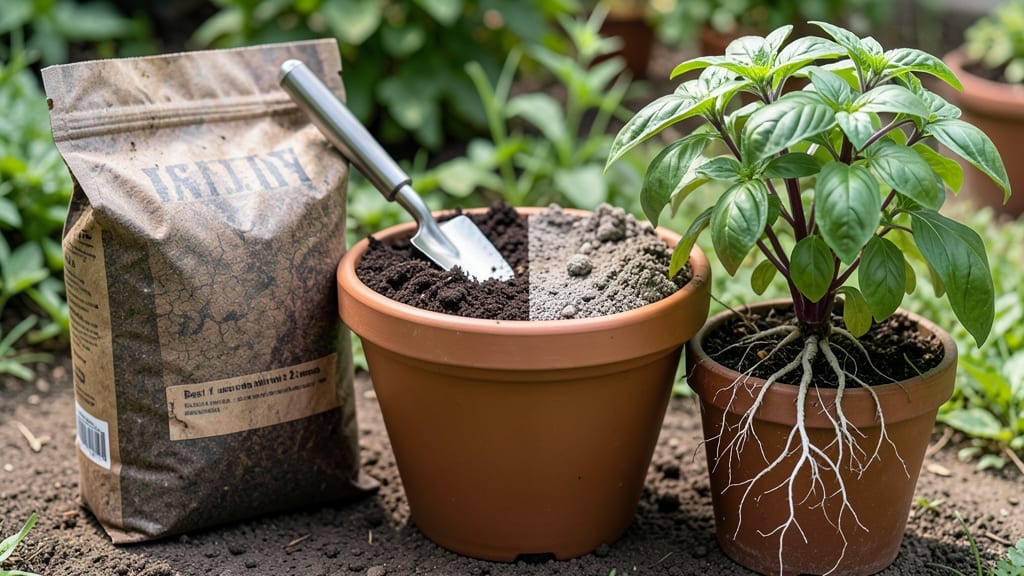
Potting soil does expire over time, losing nutrients and breaking down within 6 months to 2 years, depending on organic matter content and storage conditions. Refresh or replace it before planting to ensure healthy root growth and proper drainage.
Potting soil isn't designed to last forever—it's a living medium that changes as its organic components decompose. 🌱 The microbes in fresh soil break down peat moss, compost, and bark over time, which reduces its ability to hold moisture and nutrients.
I've noticed that stored soil often becomes compacted or develops an unpleasant smell, signaling it's past its prime.
For best results, I recommend testing soil by squeezing a handful: if it crumbles easily and smells fresh, it's likely still usable, but if it feels dense or musty, it's time for a refresh.
Storing potting soil properly can extend its life—keep it in a cool, dry place away from direct sunlight and moisture. Adding a bit of compost or slow-release fertilizer can also help revive older soil, but for heavy nutrient loss, a complete replacement is best.
The key is balancing freshness with cost: while new soil is pricier, using expired soil can stress your plants and lead to poor growth.
💡 In This Article
- How Potting Soil Degrades Over Time
- Signs Your Potting Soil Needs Replacement
How potting soil degrades over time
Potting soil breaks down primarily through microbial activity and organic matter decomposition. When you buy a bag of potting mix, it typically contains peat moss, composted bark, coconut coir, and other organic materials that provide nutrients and structure.
Over time, beneficial microbes in the soil consume these organic components through a process called decomposition, converting them into simpler compounds like carbon dioxide, water, and humus.
This process accelerates in warm, moist conditions—think of it like composting in reverse, where the soil loses its fluffy texture and nutrient density.
The rate of deterioration varies based on the soil's composition. Organic potting mixes, which contain 30-50% compost or peat moss, degrade faster than sterile, soilless mixes (which rely on perlite, vermiculite, and peat).
For example, a bag of organic potting soil with high peat content might last only 6-12 months before losing significant moisture retention, while a sterile mix could remain usable for 18-24 months if stored properly.
Moisture is the wild card—soil stored in damp conditions can develop mold or bacterial growth within weeks, whereas dry soil may last longer but still compact over time.
Nutrient leaching is another critical factor. Essential minerals like nitrogen, phosphorus, and potassium—often added as slow-release fertilizers—dissolve into the soil solution and can wash away if the soil stays too wet.
This is why you might see plants thriving initially in fresh soil but struggling after a few months, even with regular watering. The soil's cation exchange capacity (CEC), which measures its ability to hold nutrients, drops as organic matter decomposes, leaving roots starved for essential elements.
Texture changes are a dead giveaway of aging soil. Fresh potting mix has a light, airy feel—almost like crumbled styrofoam—thanks to the structure provided by peat or coconut coir. As it degrades, the soil becomes denser, clumping together and reducing aeration.
This compaction suffocates roots, restricting oxygen flow and promoting anaerobic conditions where harmful bacteria thrive. I’ve seen old soil turn from a rich brown to a dull gray or even develop a slimy consistency, signaling it’s no longer suitable for healthy plant growth.
Temperature also plays a surprising role. Soil stored in a garage or basement (where temperatures fluctuate) decomposes faster than soil kept in a cool, stable environment like a basement or root cellar. Extreme heat speeds up microbial activity, while freezing temperatures can kill beneficial microbes and disrupt soil structure.
For the longest shelf life, store potting soil in a cool (50-60°F), dry place with good airflow—think of it like storing flour in the pantry rather than the fridge.
One way to extend the life of potting soil is to mix in 10-20% fresh compost or worm castings before use. This replenishes nutrients and improves structure, but it’s a temporary fix.
For container gardening, I recommend refreshing soil every 1-2 years, especially if you’re growing heavy feeders like tomatoes or peppers, which deplete nutrients quickly.
The goal is to maintain a balance between cost and plant health—using expired soil might save money upfront but can lead to poor yields or even plant death.