
Plants
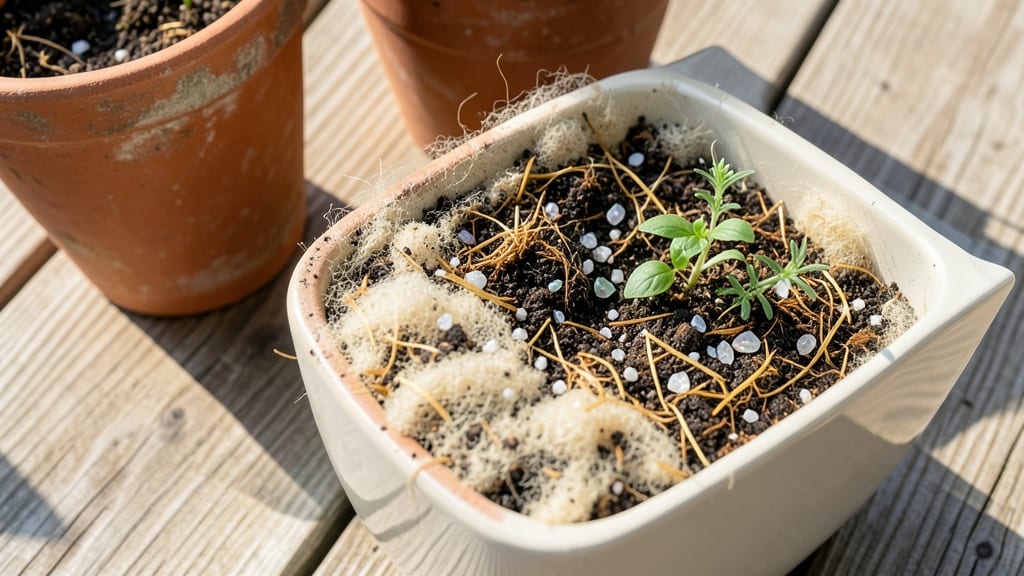
Not all soil is created equal—and choosing the wrong type can stunt your plants' growth. Discover seven distinct soil varieties, each tailored to specific plants and gardening needs, so you can create the ideal foundation for every garden bed.
Loamy Soil for Versatile Gardening
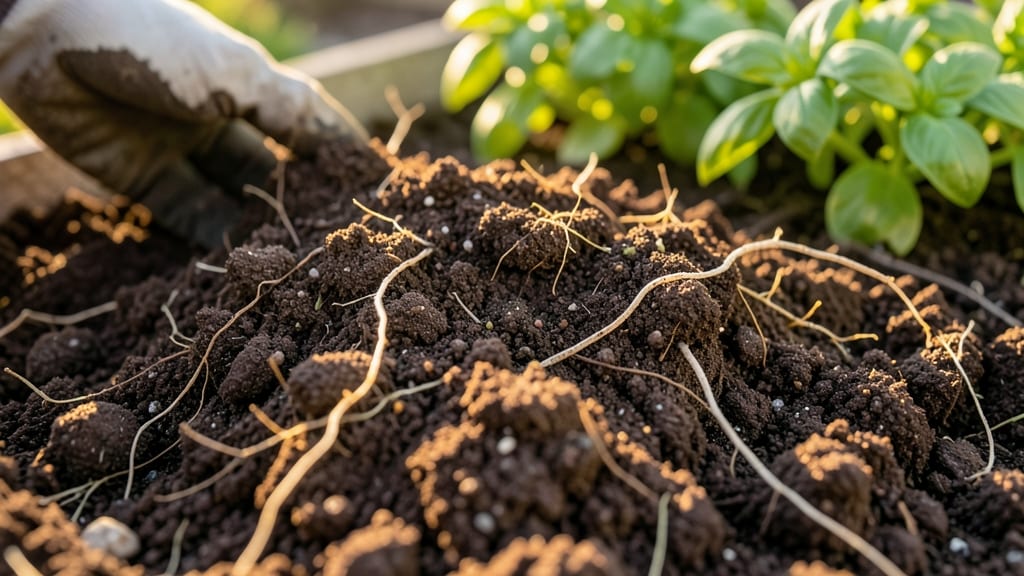
If you’ve ever struggled with plants that wilt too quickly or struggle to thrive, loamy soil might be your secret weapon. This rich, crumbly texture—often described as the "perfect middle ground"—holds just enough moisture to keep roots hydrated while allowing excess water to drain, preventing both drought and root rot.
Composed of roughly equal parts sand, silt, and clay, loamy soil also retains essential nutrients, making it ideal for vegetables like tomatoes, peppers, and carrots, as well as flowers like marigolds and roses. To test your soil, squeeze a handful: if it forms a loose ball that easily crumbles, you’ve got loam! For improvement, mix in compost or aged manure to boost fertility without altering the texture.
Whether you’re filling raised beds, containers, or backyard plots, loamy soil reduces guesswork and boosts success rates—no green thumb required. 🌱
Sandy Soil for Fast-Draining Plants
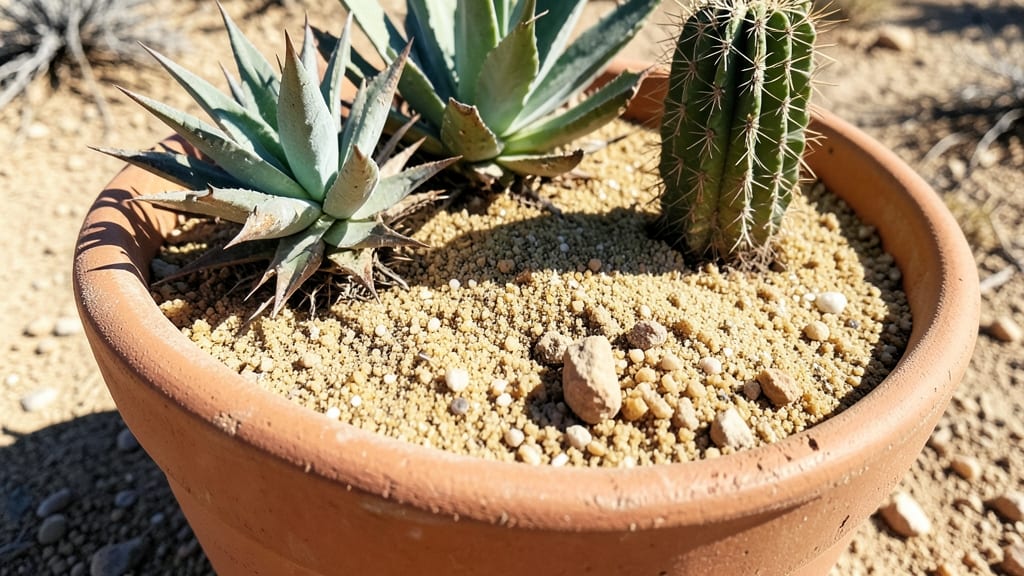
Struggling to keep your succulents and cacti alive? Sandy soil might be the secret weapon your desert plants need. Unlike nutrient-rich loam, sandy soil drains water almost instantly, creating the perfect environment for plants that despise soggy roots.
This gritty, coarse soil mimics natural desert conditions, where water evaporates quickly and roots stay aerated. To use it effectively, mix in 20% perlite or coarse sand to prevent compaction, and avoid watering until the top inch feels completely dry. It’s ideal for container gardening or sandy landscapes where moisture lingers.
Perfect for urban gardeners with limited space or those living in hot, dry climates, sandy soil turns finicky succulents into thriving plants. 🌻
Clay Soil for Heavy-Rooted Perennials
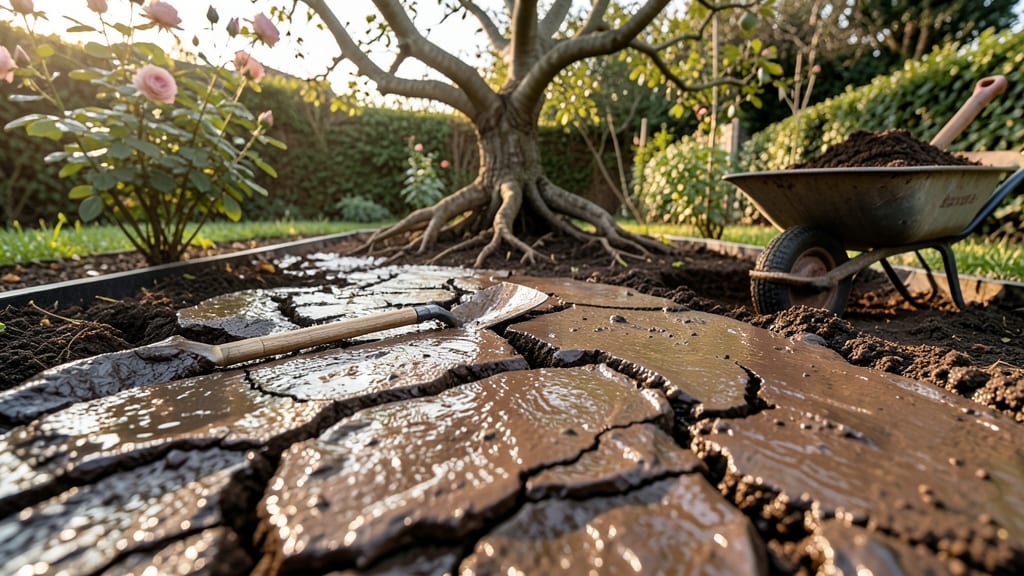
If your garden is blanketed in dense, heavy clay soil, don’t despair—this nutrient-rich foundation is actually perfect for heavy-rooted perennials like fruit trees, roses, and shrubs, once you know how to work with it.
The key is to amend clay soil with organic matter like compost or well-rotted manure to improve drainage while retaining its natural fertility. These deep-rooted plants thrive in clay because it holds moisture and nutrients near their extensive root systems. Just avoid tilling when wet, as clay compacts easily—instead, add mulch to protect the soil structure.
This soil type is ideal for gardeners in cooler climates or those with long-lived perennials that benefit from stable moisture levels. With the right amendments, clay soil can become one of your most productive garden beds. 💪
Peat Moss Soil for Acid-Loving Plants
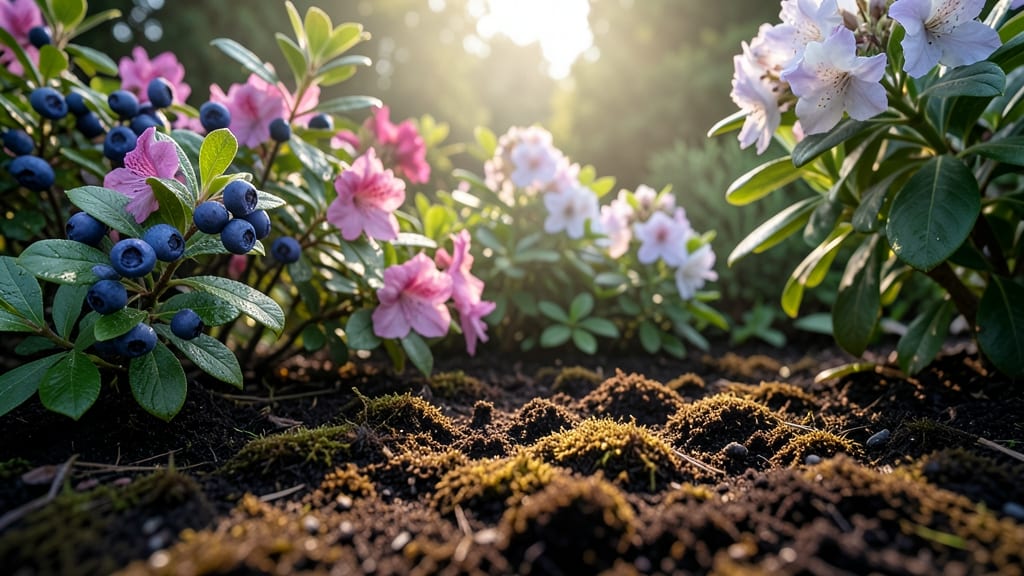
If your garden features blueberries, azaleas, or rhododendrons, peat moss soil is your secret weapon. This organic material mimics the acidic, moisture-retentive conditions of natural bogs, creating the perfect environment for acid-loving plants that struggle in alkaline soils.
Peat moss not only lowers soil pH but also improves aeration in dense, compacted soils. Mix it into garden beds at a ratio of 25-30% for optimal results, or use it as a top dressing around established plants. For container gardening, blend it with perlite to prevent compaction while maintaining moisture. Just remember—peat moss is non-renewable, so consider sustainable alternatives like coconut coir for future projects.
This soil type is a game-changer for gardeners in regions with naturally alkaline soils or those aiming to create year-round blooms from acid-loving shrubs. 💚
Chalky Soil for Alkaline-Tolerant Plants
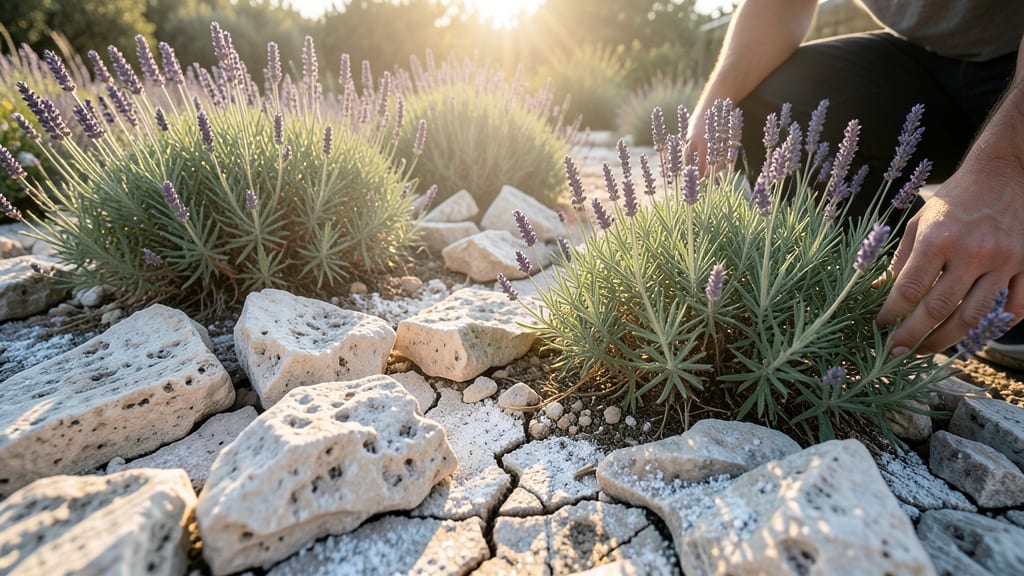
If your garden sits in a rocky, limestone-rich area, you’ve got a hidden advantage: chalky soil—a naturally alkaline environment perfect for Mediterranean herbs like lavender and thyme. This soil type, high in calcium and pH-neutral (typically 7.5–8.5), mimics the rugged landscapes where these hardy plants evolved.
To maximize its potential, pair it with drought-tolerant companions like rosemary and oregano, which thrive in its well-draining, rocky texture. Avoid acid-loving plants here—chalky soil’s high pH can stunt their growth. For containers, mix in sand or grit to improve aeration, especially if your region’s natural soil is too dense.
This soil type is a game-changer for gardeners in limestone-heavy zones, offering low-maintenance growing conditions for fragrant, resilient plants. 🌿
Cactus and Succulent Soil Mix
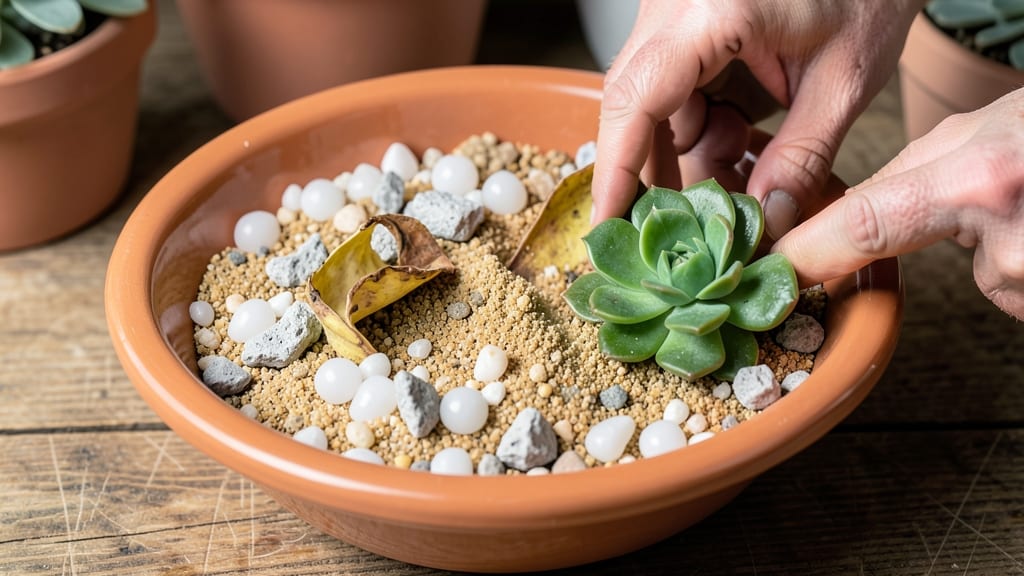
If your succulents and cacti are wilted or rotting despite your best efforts, the issue might not be your watering habits—but your soil. A cactus and succulent-specific mix with perlite, pumice, and coarse sand is the secret weapon to keep roots dry and thriving.
This lightweight blend prevents moisture buildup, which is deadly for desert plants. The perlite adds aeration, while pumice retains just enough moisture to prevent dehydration. For containers, mix equal parts cactus soil, perlite, and coarse sand—this ratio mimics their natural arid habitats. Avoid garden soil or compost, which can suffocate roots.
Perfect for container gardeners or those with limited space, this mix works year-round for echeverias, snake plants, and prickly pears. Skip the guesswork and give your desert plants the foundation they truly need. 🌱
Compost-Enriched Soil for Organic Gardens
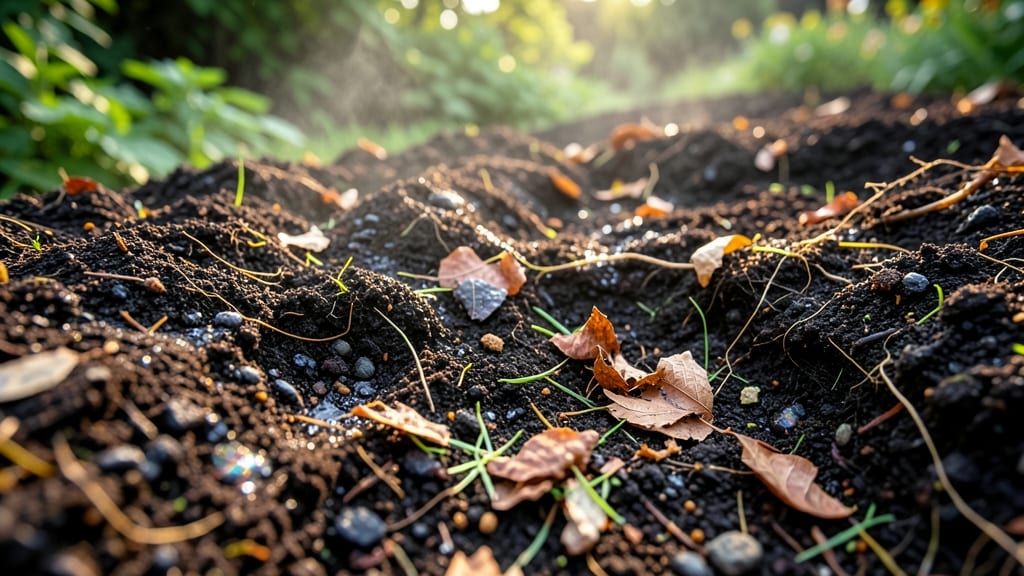
Want a soil that works harder than you do? Compost-enriched soil is the secret weapon for organic gardeners, transforming depleted beds into thriving ecosystems. Unlike static soil types, this living medium constantly replenishes nutrients while fostering beneficial microbes that break down organic matter into plant-available food.
Start by mixing 30-50% finished compost (well-aged, dark, and crumbly) with your existing soil. For seed starting, use 100% compost mixed with perlite for aeration. The key is consistency—maintain a 2-3 inch layer of fresh compost on garden beds annually. This approach supports year-round growth of vegetables, herbs, and flowers without synthetic fertilizers.
Perfect for urban gardeners with limited space or anyone reviving tired soil, compost-enriched beds reduce watering needs by 30% while boosting yields. Your plants will grow faster and healthier—with less work for you. 💚