
Blooming
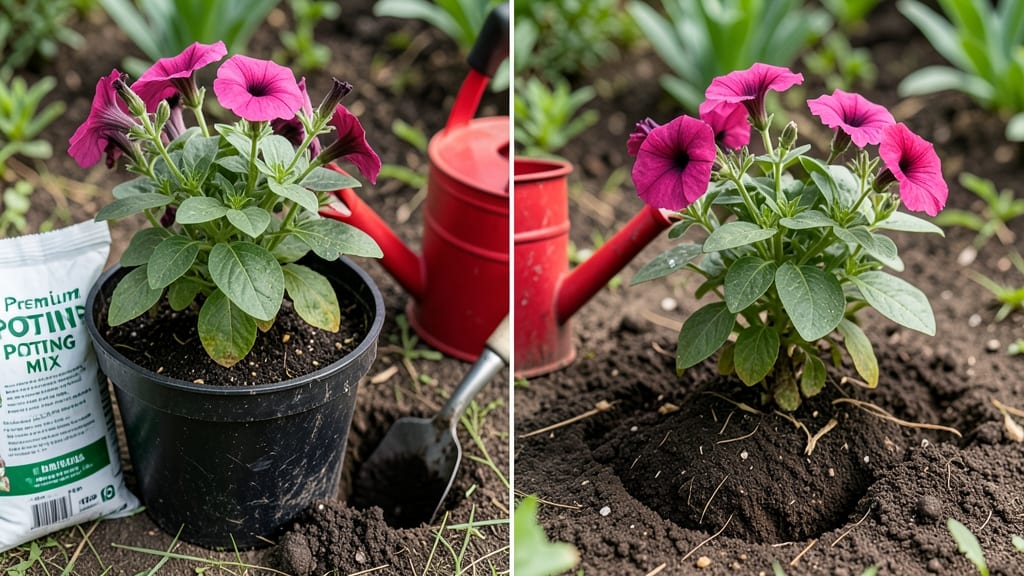
You can put potting soil in the ground, but it’s risky—it lacks organic matter and nutrients native soil provides, often causing poor drainage and plant stress. Use it only in small amounts mixed with garden soil for amending heavy clay or poor-quality dirt, and never as a standalone base for planting.
Potting soil is designed for containers, not garden beds, because its lightweight, fast-draining formula lacks the microbial life and structure of native soil. 🌱 When you bury it directly, the lack of organic matter can lead to nutrient deficiencies or even root suffocation.
Instead, think of it like a vitamin boost—mix it sparingly (about 20-30% by volume) with your existing soil to improve texture in heavy clay patches or depleted areas. For best results, pair it with compost to restore balance.
Here’s the key: potting soil’s synthetic fertilizers and high peat content don’t replicate the slow-release nutrition of decomposed plant matter found in garden soil. This mismatch can shock plants already adapted to their native environment.
I’ve seen this firsthand when gardeners try to "upgrade" their beds with potting soil—what starts as a good intention often ends with stunted growth or fungal issues.
💡 In This Article
- Why Potting Soil Fails in Garden Beds
- Safe Ways to Use Potting Soil Outdoors
Why potting soil fails in garden beds
Potting soil is engineered for containers, not garden beds, because its formula prioritizes lightweight drainage and moisture retention over nutrient density.
The typical mix contains 60-70% peat moss or coconut coir, which breaks down rapidly (losing structure in just 1-2 years) and lacks the complex organic matter found in native soil.
This sterile environment also lacks the billions of beneficial microbes and fungi that decompose organic material, release nutrients, and create soil structure in garden beds.
Here’s what happens when you bury potting soil: the high peat content compresses easily under foot traffic or rain, reducing pore space by up to 40%. This compaction suffocates roots while trapping excess moisture—a recipe for root rot.
The synthetic fertilizers in potting mixes provide an initial nutrient spike, but they’re designed to dissolve quickly (ideal for container plants), leaving your garden soil with a short-term nutrient imbalance that can burn plant roots. 🌱 Unlike native soil, which has a gradual nutrient release system, potting soil creates a "feast or famine" effect for plants.
The real issue is the lack of soil aggregates—those crumbly clusters formed by fungal hyphae and earthworm activity. Garden soil has a 5-10% organic matter content that binds particles together, while potting soil’s organic matter is mostly artificial.
When you mix them, you’re essentially adding a layer of sand-like material that disrupts the existing soil’s water-holding capacity and microbial networks. This is why plants in amended beds often show signs of stress, like yellowing leaves or wilting, even when watered properly.
Consider this comparison: native soil acts like a sponge with built-in drainage channels, while potting soil is more like a synthetic foam—it holds water but collapses under pressure.
The microbial life in garden soil also helps break down organic matter into forms plants can absorb, while potting soil’s microbes (if any) are often sterile or non-native. This mismatch creates an environment where beneficial organisms struggle to establish, leaving your plants vulnerable to pests and diseases.
What most gardeners don’t realize is that potting soil’s high permeability (it drains too quickly) can actually worsen drought conditions in garden beds.
While this is ideal for container plants, it means your garden soil loses moisture faster, creating a cycle where you’re constantly watering but roots can’t access nutrients efficiently. The result? Plants that look healthy on top but have shallow, stressed root systems below.