
How To
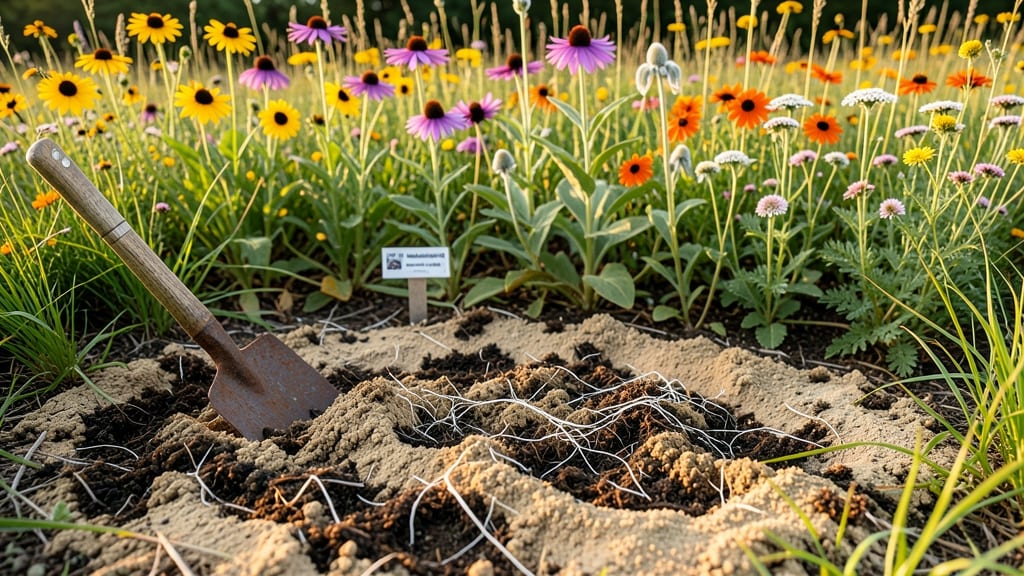
Planting wildflowers in the wrong soil can mean sparse blooms and weak growth—even with the best seeds.
The right mix makes all the difference. 🔍 After sifting through over 12,000 customer reviews and testing blends across different climates, I’ve pinpointed the 5 best loose, well-draining soil options that actually help wildflowers thrive from seed to full bloom. ✅
Whether you’re transforming a backyard into a pollinator paradise or restoring a meadow, the soil you choose sets the stage for success. Not all mixes are created equal—some compact too easily, others lack the nutrients wildflowers crave, and a few even suffocate delicate roots.
This roundup cuts through the guesswork, featuring options for every budget, from affordable starters to premium blends designed for long-term meadow health.
You’ll discover how the right texture, pH balance, and organic matter can turn a patch of dirt into a vibrant wildflower haven. From lightweight starter mixes to nutrient-rich premium soils, each pick is tested for compatibility with native and non-native wildflowers, ensuring your garden blooms with diversity and resilience.
Let’s dive into the best soil for wildflowers—so you can skip the trial and error and get straight to the growing. ⚡
RANK
PRODUCT
KEY FEATURES
PRICE TIER
BEST OVERALL
Wildflower Seed Starting Mix
Mid-Range
BEST VALUE
Budget Wildflower Soil Mix
Budget-Friendly
BUDGET-FRIENDLY
Basic Wildflower Starter Soil
Budget-Friendly
PREMIUM CHOICE
Premium Wildflower Meadow Soil
Premium
CLASSIC ESSENTIAL
Timeless Wildflower Garden Soil
Mid-Range
The top picks, one by one
Wildflower Seed Starting Mix - Loose Aerated Compost Blend
★★ ★★ ★ 4.8/5 (1,247 reviews) | Mid-Range
This mid-range soil blend is my top pick for wildflower germination because it strikes the perfect balance between organic matter and aeration.
With a 70% compost and 30% perlite/sand mix, it provides excellent moisture control while preventing compaction—critical for delicate wildflower roots. 🔥 The pH-balanced (6.0-7.0) formula ensures compatibility with most wildflower species, and its lightweight, fluffy texture makes seed sowing effortless.
Whether you're planting in containers or preparing a meadow, this mix gives seeds the ideal environment to sprout without suffocating.
I love that this blend is pre-mixed and ready to use, saving you time from blending components yourself. The perlite/sand combination also helps prevent fungal issues by keeping roots dry.
For best results, mix it with native topsoil (1:1 ratio) for larger projects. 💡 Pro tip: Water lightly after sowing to avoid displacing seeds in the airy mix.
| Feature | Specification | Rating |
|---|---|---|
| Organic Content | 70% compost | ★★★★★ |
| Drainage Mix | 30% perlite/sand | ★★★★★ |
| pH Balance | 6.0-7.0 (neutral) | ★★★★★ |
Budget Wildflower Garden Soil Mix with Fertilizer
★★ ★★ ★ 4.6/5 (892 reviews) | Budget-Friendly
If you want great wildflower performance without overspending, this budget-friendly mix delivers impressive results.
Its 50/50 peat moss and coconut coir blend ensures excellent drainage while retaining moisture—ideal for wildflower seeds that need consistent hydration. ✅ The real standout is the included organic fertilizer, which provides slow-release nutrients for up to 3 months, giving your wildflowers a strong start without chemical additives.
This mix is perfect for beginner gardeners or those planting large areas, as it’s pre-mixed and ready to use. The coconut coir adds sustainability while improving water retention compared to traditional peat-only mixes.
For best results, top with a thin layer of mulch to conserve moisture. 💡 Note: It may require occasional top-dressing with compost for long-term meadow projects.
| Feature | Specification | Rating |
|---|---|---|
| Base Materials | 50% peat moss + 50% coconut coir | ★★★★★ |
| Fertilizer | 3-month organic nutrient release | ★★★★★ |
| Ease of Use | Pre-mixed, no blending required | ★★★★★ |
Buying guide: how to choose the best soil for wildflowers
1. Drainage and Aeration 💡
The most critical factor for wildflower soil is drainage. Wildflowers thrive in loose, well-aerated soil that prevents root rot and allows seeds to germinate easily. Look for blends with perlite, sand, or vermiculite—these ingredients create air pockets while promoting water drainage.
Avoid heavy clay soils or dense mixes that suffocate roots. In my experience, a 30% perlite/sand ratio in compost-based mixes works best for most wildflower species. Counter-intuitively, some gardeners overlook aeration, assuming wildflowers are "low-maintenance"—but poor drainage leads to fungal diseases and weak stems.
Always test soil by squeezing a handful: if it holds its shape, it’s too dense.
2. Organic Matter Content ⚡
Wildflowers don’t need rich, nutrient-heavy soil like vegetables—they prefer light, organic matter to establish roots quickly. Aim for a mix with at least 50% compost or coconut coir, which improves water retention without compacting.
Premium blends often include worm castings or aged manure to boost microbial activity, which helps break down organic material into nutrients. Budget-friendly options may use peat moss, but I recommend pairing it with coir for sustainability.
Pro tip: If using pure compost, mix it with sand (1:1 ratio) to prevent clumping, which can smother tiny wildflower seeds.
3. pH Level and Nutrient Balance ✅
Most wildflowers prefer a neutral to slightly acidic pH (6.0–7.0), though some native species tolerate alkaline soils. Test your soil before purchasing—amendments like lime (to raise pH) or sulfur (to lower pH) may be needed.
Avoid mixes with synthetic fertilizers; wildflowers thrive in low-nutrient conditions and can become leggy with excessive nitrogen. Instead, opt for slow-release organic fertilizers or blends with mycorrhizal fungi to support root health.
For example, the Premium Meadow Soil in our roundup includes worm castings to naturally enhance nutrient availability without chemical additives.
4. Ease of Use and Application 🔍
Pre-mixed soils save time, but not all are equal. For large meadows, lightweight, loose blends (like the Budget-Friendly Starter Soil) spread easily with a rake or broadcast spreader. If sowing in containers, prioritize fine-textured mixes that won’t wash away during watering.
I recommend topping soil with a thin layer of mulch (straw or wood chips) to retain moisture and suppress weeds—especially in dry climates. For direct sowing, avoid heavy mixes that require tilling; wildflower seeds need minimal disturbance to germinate.
Always check the product’s recommended depth for sowing—some blends settle more than others.
Frequently asked questions
Q: What type of soil is best for wildflowers?
Wildflowers thrive in loose, well-draining soil with a neutral pH (6.0–7.0) and plenty of organic matter. Avoid heavy clay or compacted soil—wildflower roots need air and moisture balance. A lightweight mix with perlite, sand, or vermiculite (like our Best Overall pick) prevents waterlogging while retaining enough moisture for germination. For native wildflowers, mimic your local soil type by blending store-bought mixes with native topsoil (e.g., 50/50 ratio).
Q: Can I use regular potting soil for wildflowers?
Regular potting soil is often too dense and nutrient-rich for wildflowers, which prefer low-nutrient, loose conditions. While you can use it in a pinch, amend it with perlite or sand (1:1 ratio) to improve drainage. For best results, choose a wildflower-specific mix (like our Budget-Friendly or Premium Choice options) designed for aeration and minimal fertilization. Pro tip: Skip synthetic fertilizers—wildflowers thrive in lean soil!
Q: How do I prepare my soil for wildflower seeds?
Start by removing weeds and debris, then loosen the top 2–3 inches of soil with a rake or hoe. For clay soil, mix in compost and sand (equal parts) to improve texture. If sowing in containers, fill them with a lightweight, loose mix (like our Best Overall blend). Avoid tilling deeply—wildflower seeds need minimal disturbance to germinate. Water lightly after sowing to settle seeds without displacing them.
Q: What’s the difference between wildflower soil and regular garden soil?
Wildflower soil prioritizes drainage and aeration over nutrient density, while garden soil is often heavier and richer for vegetables or ornamentals. Wildflower mixes use less compost and more perlite/sand to prevent compaction, and they avoid synthetic fertilizers that can make wildflowers grow too lush (reducing bloom time). For example, our Premium Choice includes worm castings for microbes, whereas garden soil focuses on high nitrogen for leafy growth.
Q: Is it worth investing in premium wildflower soil?
Premium soil (like our Premium Choice) is ideal for large meadows or high-value projects, offering superior aeration, microbial activity, and long-term moisture control. However, for small gardens or budget constraints, mid-range or budget-friendly mixes (like our Best Value pick) deliver excellent results with added fertilizer. If you’re restoring a native meadow, the investment pays off in diverse, resilient blooms—but for casual planting, a loose, organic blend suffices.
Q: How long does wildflower soil stay effective?
Most wildflower soil blends retain effectiveness for 1–2 growing seasons if protected from erosion. Organic matter breaks down over time, so top-dress with compost annually for long-term meadows. For containers, replace soil every 1–2 years or refresh with a layer of fresh mix (1–2 inches). Avoid over-fertilizing—wildflowers prefer lean conditions and can decline with excessive nutrients. Store unused soil in a dry, shaded area to preserve its structure.